Wet Landings in Indonesia
Wet Landings in Indonesia: What to Expect on an Adventure Cruise
A wet landing means stepping from a small boat into shallow water, then wading ashore. On an Indonesia adventure cruise, those few steps may lead to a beach beneath forested cliffs, a village path, or the beginning of an island walk.
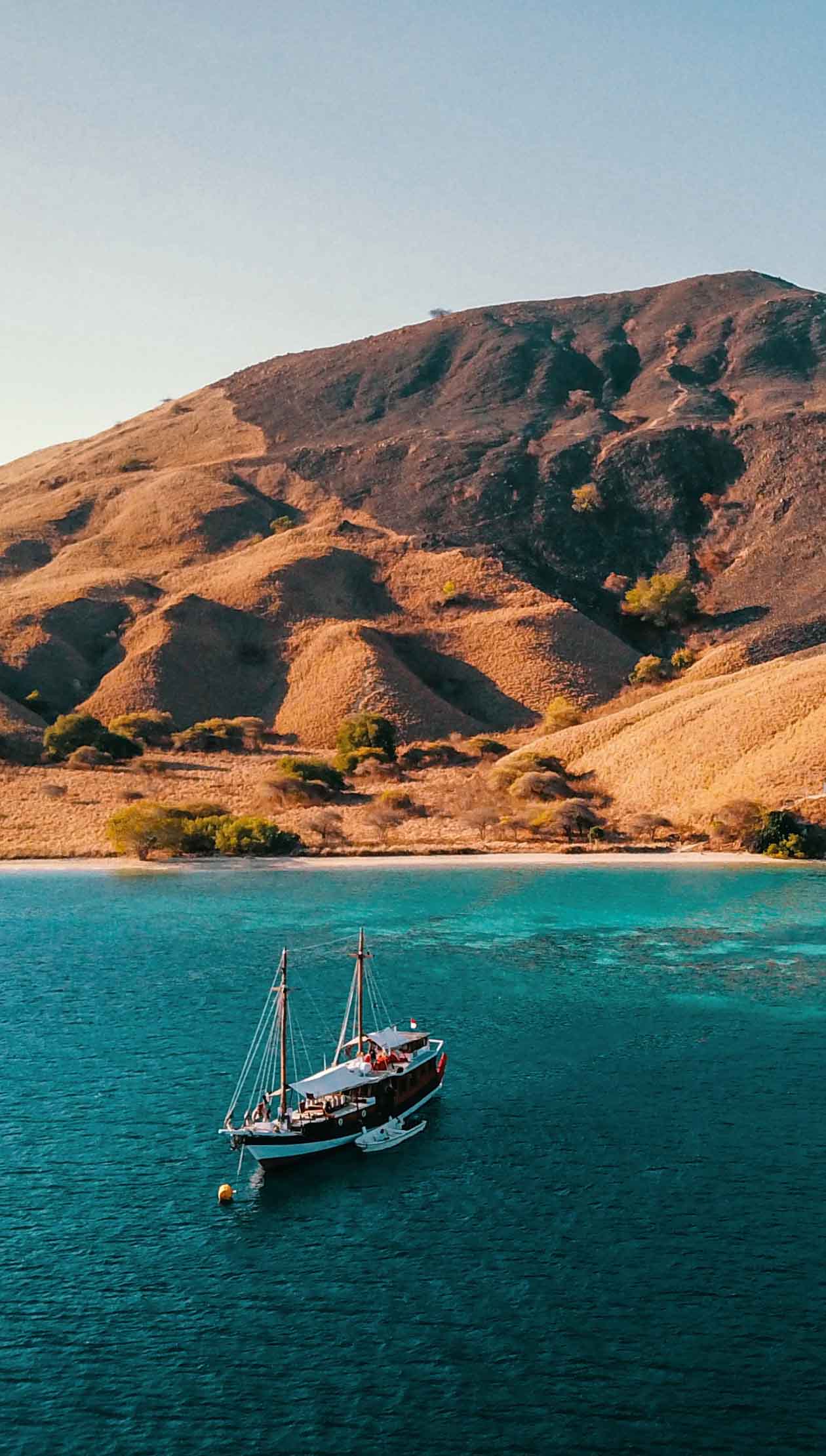
From the ship, a shoreline can appear almost abstract: a pale strip of sand, dark vegetation, the outline of a headland. The tender ride brings it into focus. By the time your feet reach the water, the landscape has become something you can enter.
For travelers unfamiliar with expedition cruising, “wet landing” can sound more complicated than the experience usually is. Understanding the sequence, choosing suitable footwear, and knowing what comes after the beach makes preparation easier.
Wet Landings and Dry Landings Explained
During a wet landing, the small boat stops where passengers can disembark into shallow water and walk to shore under the crew’s direction. Expect wet feet and potentially wet lower legs. Depth depends on the beach, tide, boat, and conditions; no fixed depth applies to every landing.
A dry landing takes passengers onto a jetty, steps, rocks, or another suitable surface without deliberately wading through the sea. “Dry” describes the intended arrival, not a guarantee against spray during the crossing.
Neither term describes the difficulty of the whole excursion. A wet landing may precede a gentle beach walk, while a dry landing may lead to a steep trail. When reviewing an itinerary, consider both the transfer ashore and the activity beyond it.
Why Adventure Cruises Use Beach Landings
Many island shores lack a dock suitable for the main vessel. On small-ship cruises in Indonesia, the ship can remain offshore while smaller boats carry guests to an approved landing place. Depending on the vessel, these may be inflatable boats, rigid-hulled tenders, or other small craft.
These transfers connect the voyage with life on land. Around Komodo, a route may combine beach stops with guided walks and snorkeling. In Raja Ampat, excursions may bring travelers to island beaches, villages, or forest trails. Landing methods vary by site; neither region consists entirely of wet landings.
A beach isn't automatically suitable just because it looks inviting from the deck. The crew considers the approach, water movement, footing, and local access arrangements before deciding where to land. Operating along a coast means changing sites rather than following a fixed sequence of docks.
From the Ship to the Shore
The process begins with the briefing. Guides explain the destination, likely landing conditions, footwear, and what to carry. They should also describe the walk or visit that follows, so guests can prepare for more than the few steps through water.
Wear the flotation equipment the operator requires and follow the crew’s boarding instructions. Boat layouts and transfer arrangements differ. Let staff direct your movements and demonstrate any assistance grip, rather than relying on a technique learned aboard another vessel.
During the crossing, keep belongings secured and remain seated as instructed. A camera that is convenient on the ship may be awkward while transferring between moving surfaces. It is generally easier to keep equipment packed until you are settled and the crew indicates it is appropriate to use it.
At the beach, wait for the instruction to disembark. Follow the indicated route and accept the assistance offered. Once ashore, move to the gathering point so others have space to land. The return journey deserves the same attention, particularly if tides or conditions have changed.
Footwear and Clothing for Tropical Landings
Choosing Wet Landing Shoes
Suitable wet-landing shoes should stay securely on your feet, tolerate saltwater, and provide grip and protection on the expected surface. Depending on the operator’s guidance, reef shoes, water shoes, or secure outdoor sandals may be appropriate.
Flip-flops can be convenient for relaxing on a beach but are a poor default for moving-boat transfers or uncertain footing. Some operators prohibit them, along with bare feet, during wet landings. Check the packing instructions for your particular voyage.
Wading footwear is not necessarily hiking footwear. If a landing leads to a longer walk, bring the recommended walking shoes in a waterproof bag, with dry socks and a small towel if useful. Change where the guide directs, without delaying others at the landing point.
Dressing for the Excursion Beyond the Beach
Lightweight, quick-drying clothing is practical for tropical shore excursions. Choose garments that allow comfortable movement and will not become cumbersome if splashed. Sun protection and a light rain layer are useful even when the day begins clear.
For village visits, pack clothing appropriate to local expectations. Shoulders and knees may need to be covered, and swimwear alone is generally unsuitable away from swimming areas. The briefing should explain what is appropriate for that community and activity.
Keeping Cameras and Essentials Dry
A small, properly closed dry bag or waterproof daypack helps protect belongings during the crossing and landing. Check what protection your bag actually provides: splash resistance and protection against immersion are different. Valuable electronics may need an additional waterproof case or inner bag.
Carry what the excursion requires, usually including drinking water, sun protection, and any essential personal items. Add walking footwear or a cover-up when the day’s plan calls for them. An overloaded bag makes transfers more awkward and creates more equipment to manage on shore.
A useful habit is to pack before the boarding call. Secure loose straps and keep your hands free for the transfer, and follow the crew’s directions for handling bags. The photograph can wait until both you and the camera are in a suitable position.
Balance, Mobility, and Changing Conditions
A wet landing involves more than getting your feet wet. Boarding a tender, stepping down into water, and walking across sand or uneven ground can require balance and flexibility. Crew assistance helps, but the type and extent vary by vessel.
If you have concerns about knees, hips, balance, or mobility, describe your needs before booking. Ask about the boat used, boarding steps, typical shore surfaces, and available assistance. Confirm whether specific excursions can be adapted and what happens if you choose to stay aboard.
A routine wet landing is a wading transfer, not a planned swim. That distinction does not remove the need to discuss comfort around water with the operator. Be clear about your abilities, and treat swimming or snorkeling as separate activities with their own requirements.
Conditions can change even at a familiar site. The team may move the landing, alter the timing, or cancel an outing. A sheltered beach in a photograph cannot establish how that shore will behave on the day of your visit.
Exploring Ashore with Care
Follow the guide’s route through the shallows and avoid living coral and other sensitive marine life. Reef shoes protect feet; their name does not mean it is appropriate to walk on a reef. Leave shells, coral fragments, and wildlife where they belong.
Beyond the beach, respect access boundaries and community guidance. Ask before photographing people, remain with guides where required, and carry rubbish back to the ship. A quiet-looking shore may still be a working place, an important habitat, or land with particular cultural significance.
With preparation, the landing becomes a brief transition rather than the day's focus. The boat rests behind you, the ship waits offshore, and a path leads inland. Those few steps through the water have brought the island within reach.