Timing, Lead-Time, and Price Trends
An Alaska small-ship cruise runs on a shorter fuse than most travelers expect. A mainstream cruise line might carry several thousand passengers across dozens of cabin categories and sailing dates, but an expedition vessel working the Inside Passage or Glacier Bay National Park often holds fewer than 100 guests. That single difference changes almost everything about when to book. Cabins sell out faster, popular departure dates disappear earlier, and the pricing calendar that applies to a large ship doesn't map cleanly onto a small one. Getting the timing right isn't about chasing a late bargain — it's about understanding how long the good inventory actually lasts and building a booking strategy around that reality.
Small ships follow their own booking calendar

Large cruise ships absorb demand the way a big reservoir absorbs rain: even a strong booking season rarely empties out every cabin category months in advance. Small expedition ships work more like a narrow channel. A vessel carrying 50 to 100 passengers has a fraction of the inventory, so a handful of group bookings, a repositioning charter, or a strong wave-season push can close out an entire departure long before the ship sails.
Limited capacity changes the math

Because there are simply fewer cabins to sell, small-ship operators don't need steep discounting to fill a departure the way larger lines sometimes do. Popular sailings through Tracy Arm, Glacier Bay National Park, and the Inside Passage can reach capacity a year or more out, particularly for peak summer weeks.
Included excursions change the price you're comparing

Small-ship Alaska fares typically bundle Zodiac excursions, naturalist guiding, and shore activities into the published rate, rather than listing a low base fare and charging separately for almost everything travelers actually want to do. That makes a direct price comparison with a large cruise ship misleading. When comparing costs across booking windows, it helps to track the all-in price for a specific itinerary and cabin category rather than headline fares.
Alaska's cruise season and how it shapes cost
Alaska's small-ship season generally runs from April or May through September, with the heaviest sailing schedule between June and August. Understanding that calendar matters before looking at booking windows, because seasonal demand is the main driver behind how prices move.
Peak season: late June through August
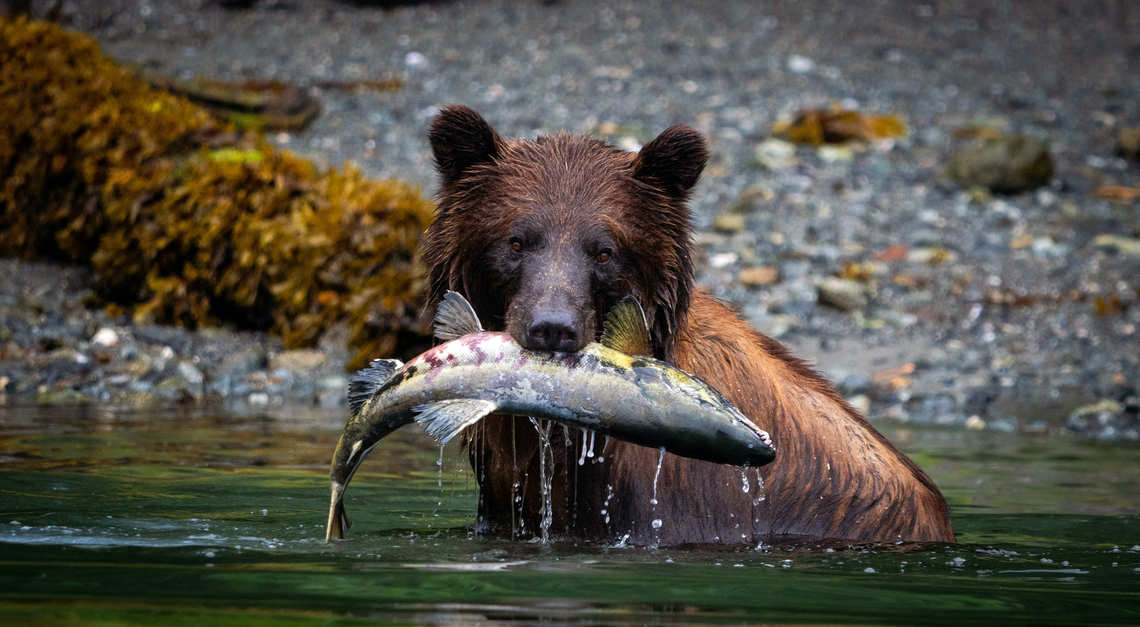
Late June through August brings the longest daylight hours, the most reliable weather, and the strongest wildlife activity, including humpback whales, orcas, and brown bears fishing for salmon as they prepare for the winter ahead. It's also when demand, and therefore pricing, is highest, and when small-ship departures are most likely to sell out well ahead of the season.
Shoulder season: May and September

May and September sailings typically run 15 to 30 percent below the cost of a comparable July departure. Conditions differ — cooler temperatures, a shorter wildlife-viewing window, and slightly less daylight — but shoulder-season cruising also brings quieter ports and, at the edges of April and September, a modest chance of aurora sightings further north. Operators publish dedicated September departures and October sailings that are worth comparing directly against midsummer pricing for the same route.
The ideal booking window: 12 to 18 months out

For most small-ship Alaska itineraries, booking 12 to 18 months before the planned departure offers the best combination of cabin choice and price. This window generally opens onto what the cruise industry calls "wave season," the January-through-March period when operators release their strongest promotional pricing for the year ahead.
What early booking actually secures
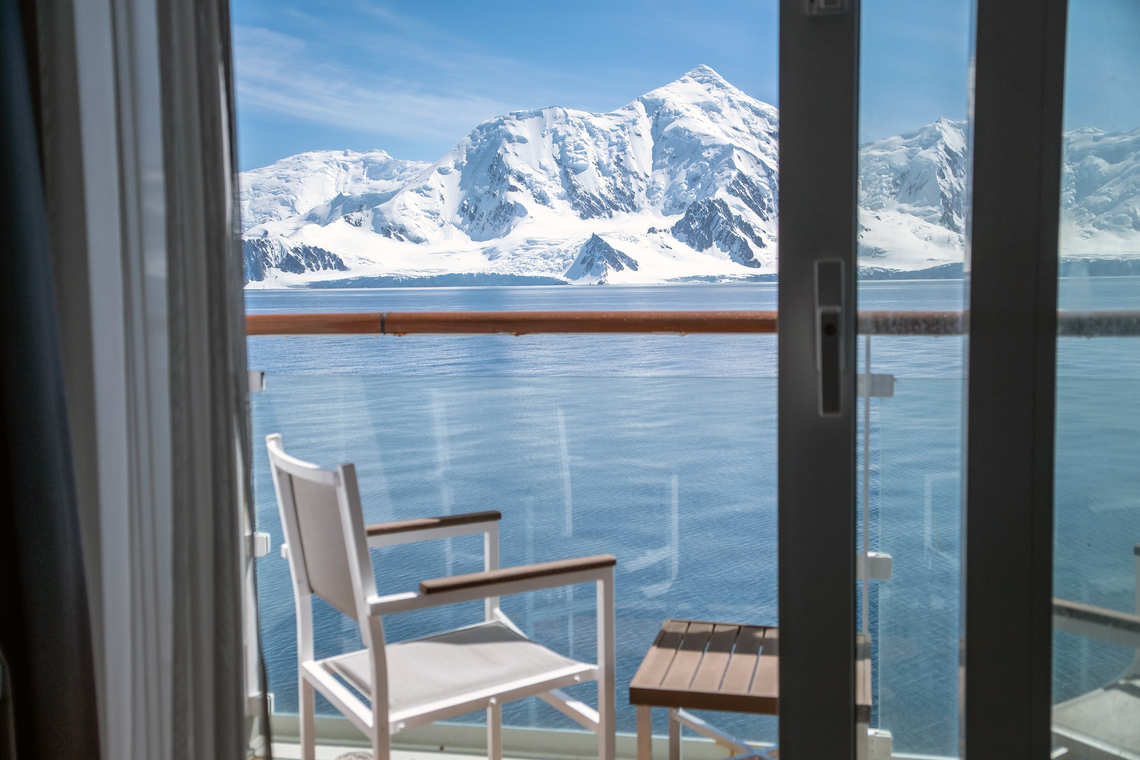
Booking early does more than lock in a rate. It secures a specific cabin category and location on the ship, protects favorable single-supplement terms for solo travelers, and allows excursions and shore programs to be reserved before they fill. On a vessel with a limited number of cabins in each category, that matters more than it would on a larger ship with dozens of comparable staterooms to fall back on.
How fast in-demand departures sell out

Popular routes and vessels can sell out of their better cabin categories well before the 12-month mark, particularly for July and August sailings. Travelers who wait until they are inside that window often choose from what remains rather than what was originally on offer, which is one reason operators encourage decisions well ahead of wave season rather than during it.
How prices move across the booking timeline
Pricing on small-ship Alaska cruises tends to move in three broad phases rather than falling steadily as the departure date approaches.
Early-bird period (12 to 18 months out)

This is when the widest selection of cabins and the strongest promotional rates are available, along with the best chance of arranging preferred excursions and pre- or post-cruise land programs.
The middle window (6 to 9 months out)

By this stage, the most requested cabin categories on peak-season sailings have often sold out, and pricing on what remains is typically flat or has begun to rise rather than fall, as operators manage a shrinking supply of desirable space.
Last-minute reality for small ships

Discounts in the final 45 to 60 days before departure do exist, but they behave differently than on large ships. They tend to apply to entry-level or interior-style cabins rather than premium categories, and once a small ship's balcony or suite-equivalent space sells, it rarely reappears at a reduced rate. On a vessel with only a handful of those cabins to begin with, last-minute availability in the categories most travelers want is the exception rather than the rule.
When last-minute booking can still work

Late deals are most realistic for travelers with genuine flexibility on dates, cabin category, or itinerary, particularly during shoulder-season sailings or repositioning cruises rather than peak midsummer departures. Some operators also release last-minute inventory to travel advisors or through their own direct booking channels when a cancellation opens space. This is worth monitoring if timing allows, but it isn't a strategy to plan around for a specific July or August departure on a popular route, where the realistic path to the best price and cabin is still booking well ahead of the season.
A practical Alaska cruise booking checklist

- Decide on a target month first. Peak wildlife and weather occur from June through August; shoulder-season value occurs in May and September.
- Rank cabin priorities before comparing prices, since the categories that matter most are also the first to sell out.
- For a July or August departure, aim to book 12 to 18 months in advance, ideally before wave-season pricing is released in January.
- Compare the all-in fare, including excursions, rather than a bare per-person rate, especially when weighing small ships against larger cruise lines.
- If traveling with a group, ask about charter or group rates, which can offer meaningful savings compared to individual per-person pricing.
- If flexibility allows, watch shoulder-season and late-release inventory rather than waiting on a fixed peak-season date.
Matching your booking window to the itinerary

Timing strategy works best alongside a clear sense of itinerary. Routes through the Inside Passage and Glacier Bay National Park tend to draw the earliest bookings due to their glacier and wildlife appeal, while sailings through the Alaska Islands and departures from Seattle offer additional scheduling options throughout the season. For a broader sense of what small-ship travel adds to an Alaska itinerary, it's worth reading about what makes the best small-ship cruise before narrowing down a specific vessel and departure date.

On a small ship, the real advantage isn't finding a late bargain — it's deciding on a season and itinerary early enough to let the booking window work in your favor. Wave season pricing, cabin availability, and included excursions all reward travelers who commit 12 to 18 months out, while last-minute flexibility remains a narrower opportunity best reserved for those genuinely open on dates and cabin type. Choosing the timing deliberately, rather than reactively, is what turns an Alaska cruise from a good trip into the right one.
Frequently asked questions

How far in advance should I book an Alaska small-ship cruise?
Booking 12 to 18 months ahead of a planned departure generally offers the widest cabin selection and access to the strongest early-booking pricing, particularly for peak-season sailings between June and August.
Is it cheaper to book an Alaska cruise early or at the last minute?
Early booking is usually more reliable for value on small ships. Last-minute discounts exist but mostly apply to entry-level cabins; premium categories rarely reappear at reduced rates once sold out.
What's the cheapest time of year to cruise Alaska?
May and September sailings typically run 15 to 30 percent below peak midsummer pricing, making the shoulder season the most consistent value window.
Do small-ship Alaska cruises really sell out?
Yes. With far fewer cabins than a large cruise ship, popular small-ship departures, especially in July and August, can sell out of their best cabin categories a year or more ahead of the season.
What's included in small-ship Alaska cruise pricing that isn't on larger ships?
Small-ship fares typically bundle Zodiac excursions, naturalist guiding, and shore activities into the published rate, rather than charging separately for them as many larger ships do.
Is shoulder-season cruising worth it for wildlife viewing?
It can be, though conditions differ from peak summer. May offers early-season wildlife activity and fewer crowds, while September brings cooler weather and a modest chance of aurora sightings at the edges of the season.