Journey Through the Land of Fire and Ice
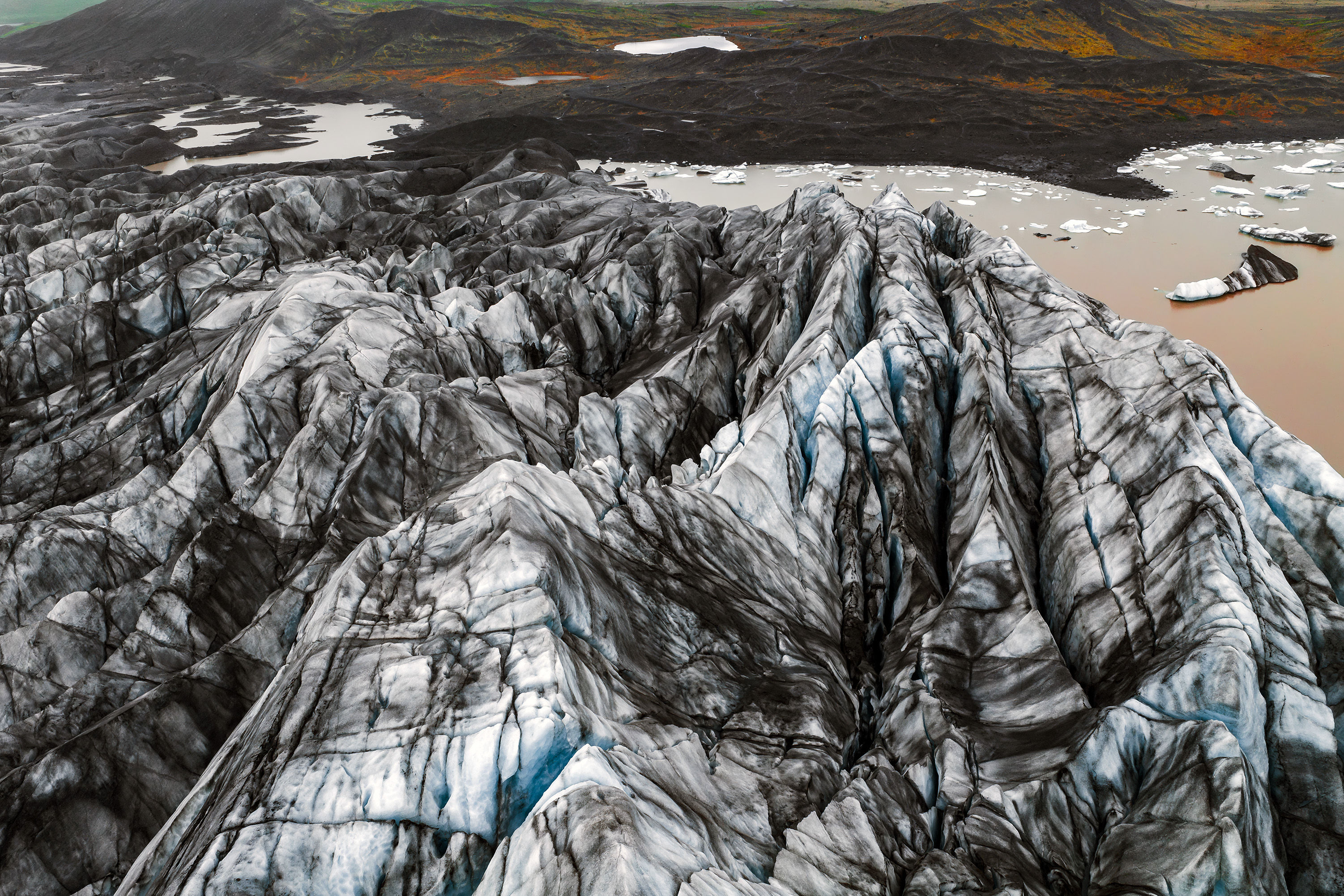
Iceland still looks unfinished in the best way. Volcanoes smolder under ice caps, waterfalls drop over cliffs that have been eroding for millennia, and glaciers keep grinding their slow path to the sea. Puffins, whales, seals, and Arctic foxes share a coastline shaped by all of it. A small-ship cruise is the best way to see that coastline up close. Instead of watching Iceland scroll past from the deck of a mega-ship, you slip into narrow fjords, tie up at fishing villages most travelers never reach, and go ashore by Zodiac. Itineraries stay loose enough that the crew can chase a whale sighting or duck into a sheltered cove when the weather turns — the plan bends to the place, not the other way around.
Why Small Ships Work Here
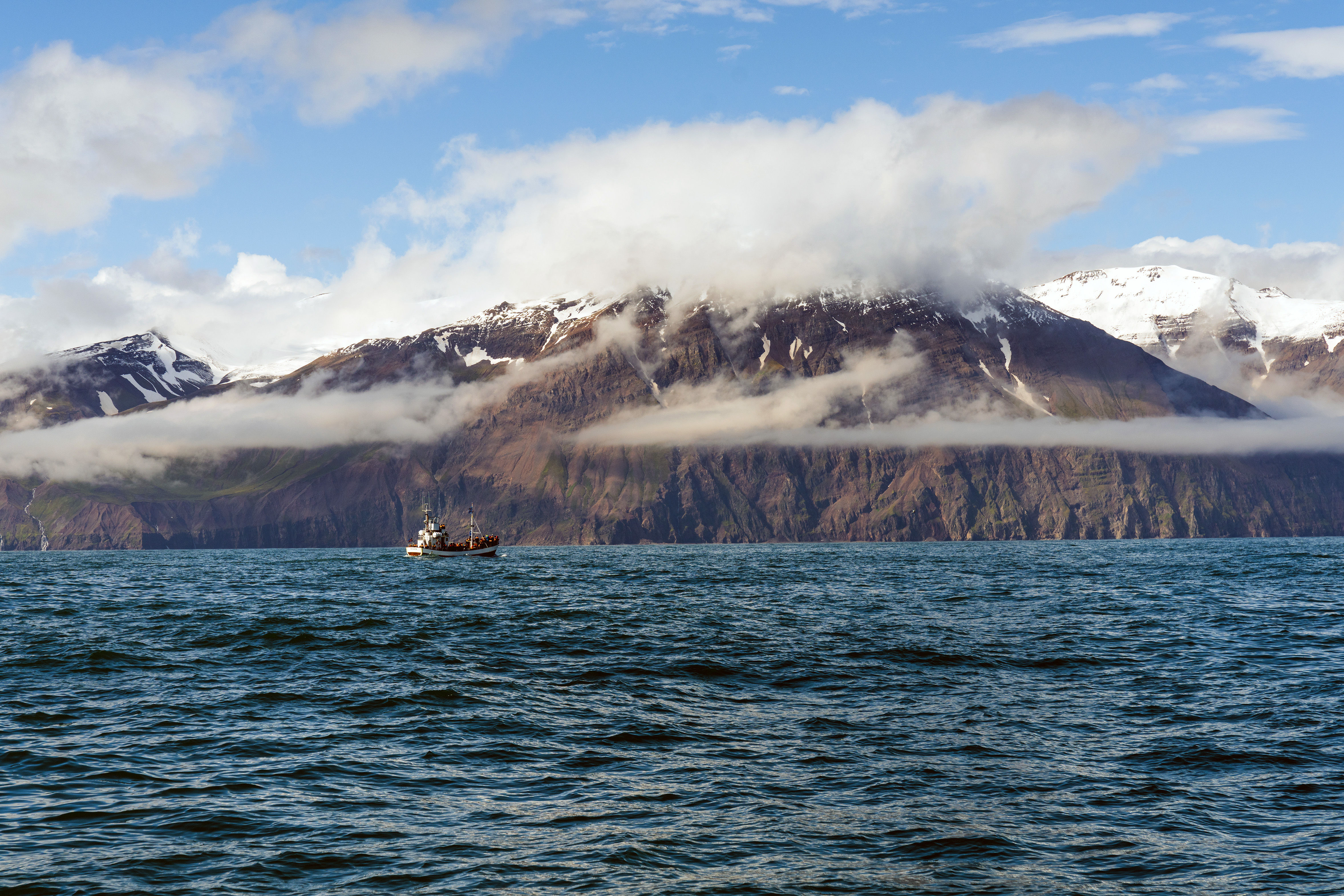
Iceland's coast is a mess of fjords, peninsulas, and volcanic islands — thousands of kilometers of it, much of it unreachable by road. A smaller ship can nose into harbors and anchorages a bigger vessel simply can't, landing guests on remote beaches and bird-thick islands that would otherwise stay out of reach.
That flexibility matters more here than almost anywhere. Weather off Iceland turns fast, and a nimble ship can pivot — trading a planned landing for an unplanned whale encounter or a newly calm fjord. That kind of improvisation isn't a disruption to the expedition. It's the whole point.
Starting in Reykjavík
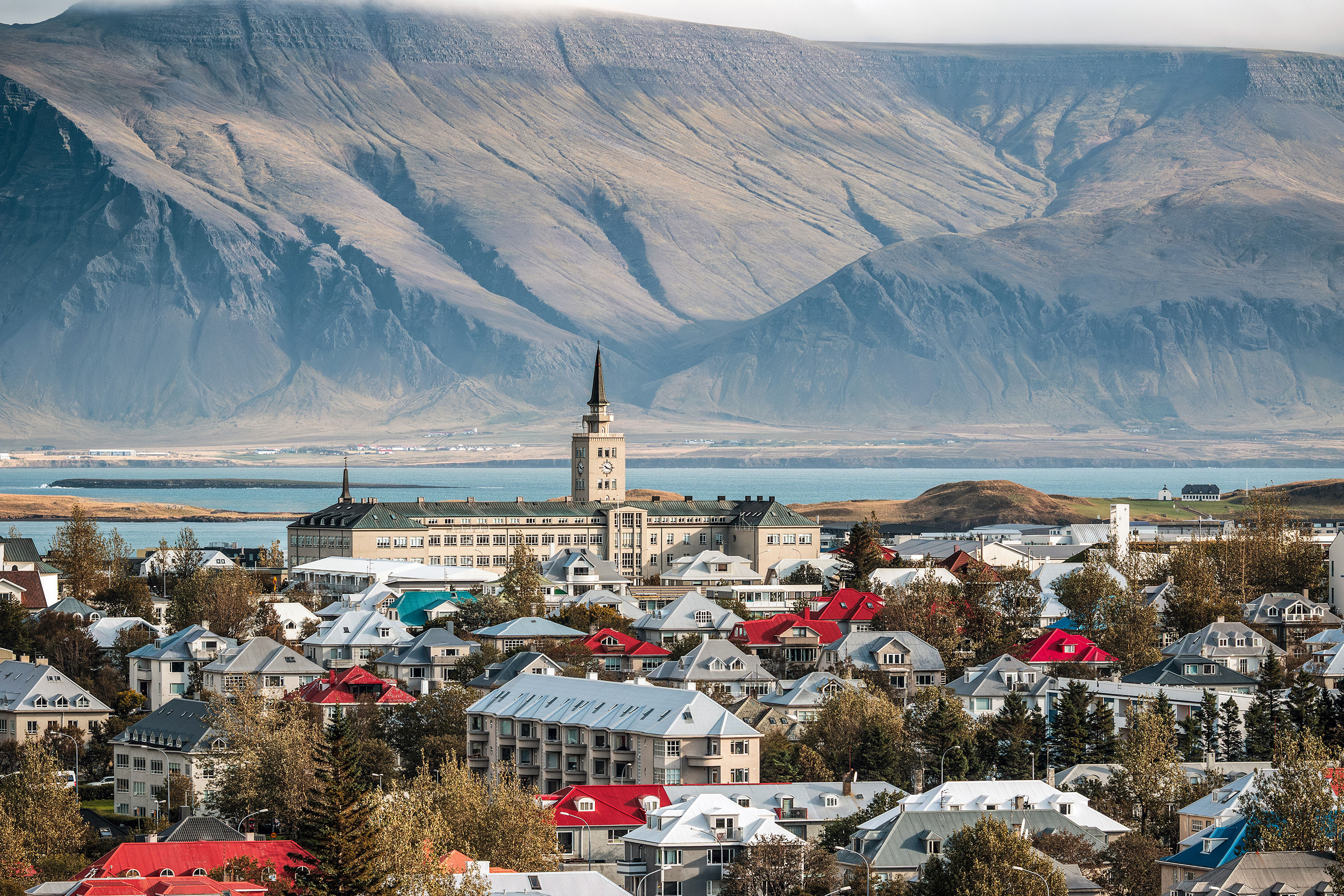
Most voyages begin and end in Reykjavík, a small, colorful capital set against Faxaflói Bay with Mount Esja on the horizon. Before boarding, there's time to wander the waterfront, climb up to Hallgrímskirkja, or soak in a geothermal pool. Nearby, the Reykjanes Peninsula gives an early lesson in Iceland's geology — lava fields and fissures marking the seam between two tectonic plates. Once the ship clears the harbor, the city falls away fast. Mountains suddenly look bigger from sea level, cliffs more severe, waterfalls thinner and whiter against the dark rock.
The Coastline Itself
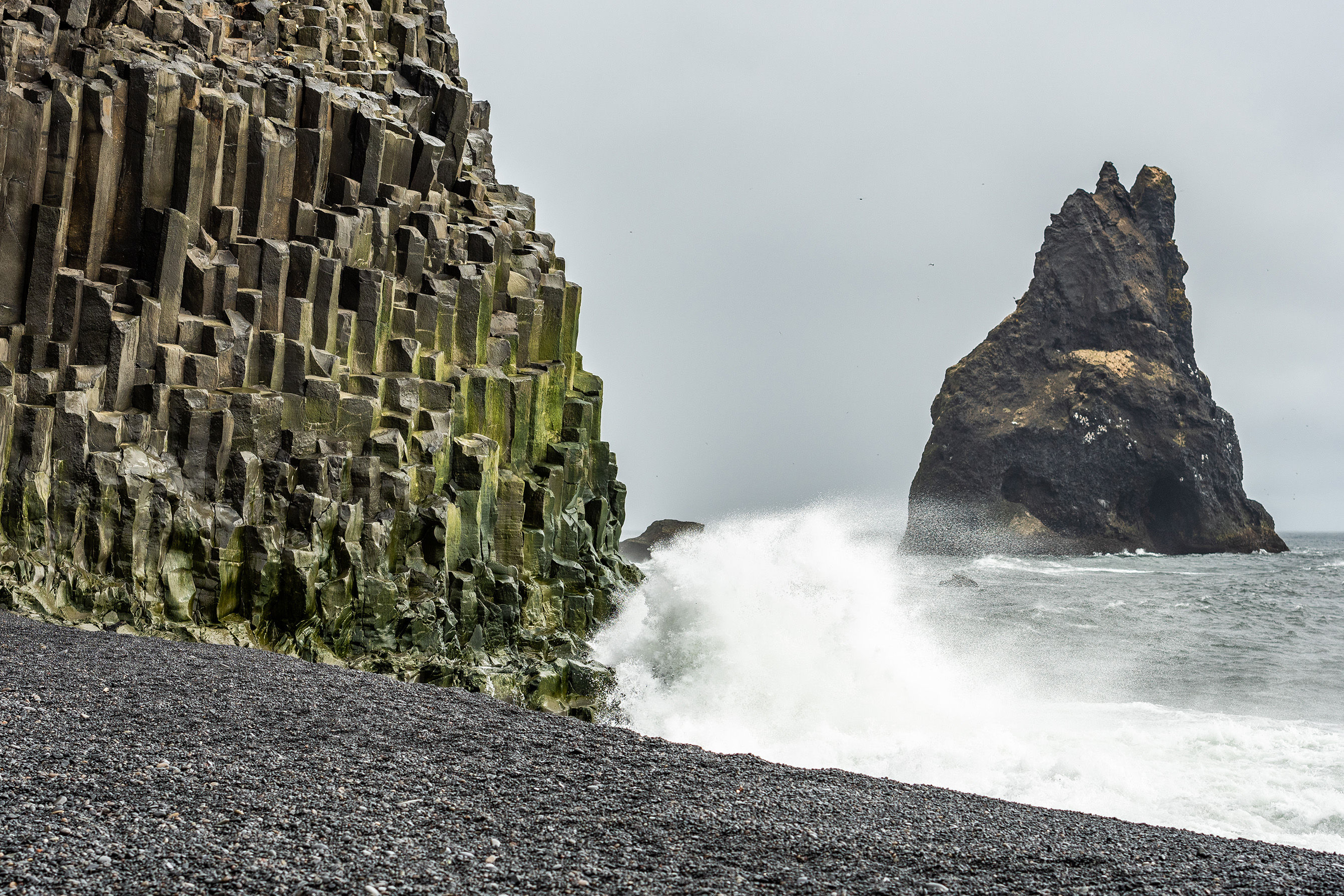
The trip around Iceland is really a tour of a coast built by eruption, ice, and erosion in constant rotation — basalt columns, sea arches, glacier-carved valleys dropping straight into the water. It changes by the morning: a green, quiet fjord one day, a stark volcanic island or a blue-glowing glacier the next. In summer, the long daylight stretches the viewing well into evening. The open deck becomes the best seat on the ship — watching for a whale's blow, following fulmars alongside the hull, or just taking in where the land meets the water. Iceland tends to look most dramatic from exactly this vantage point.
The Westfjords
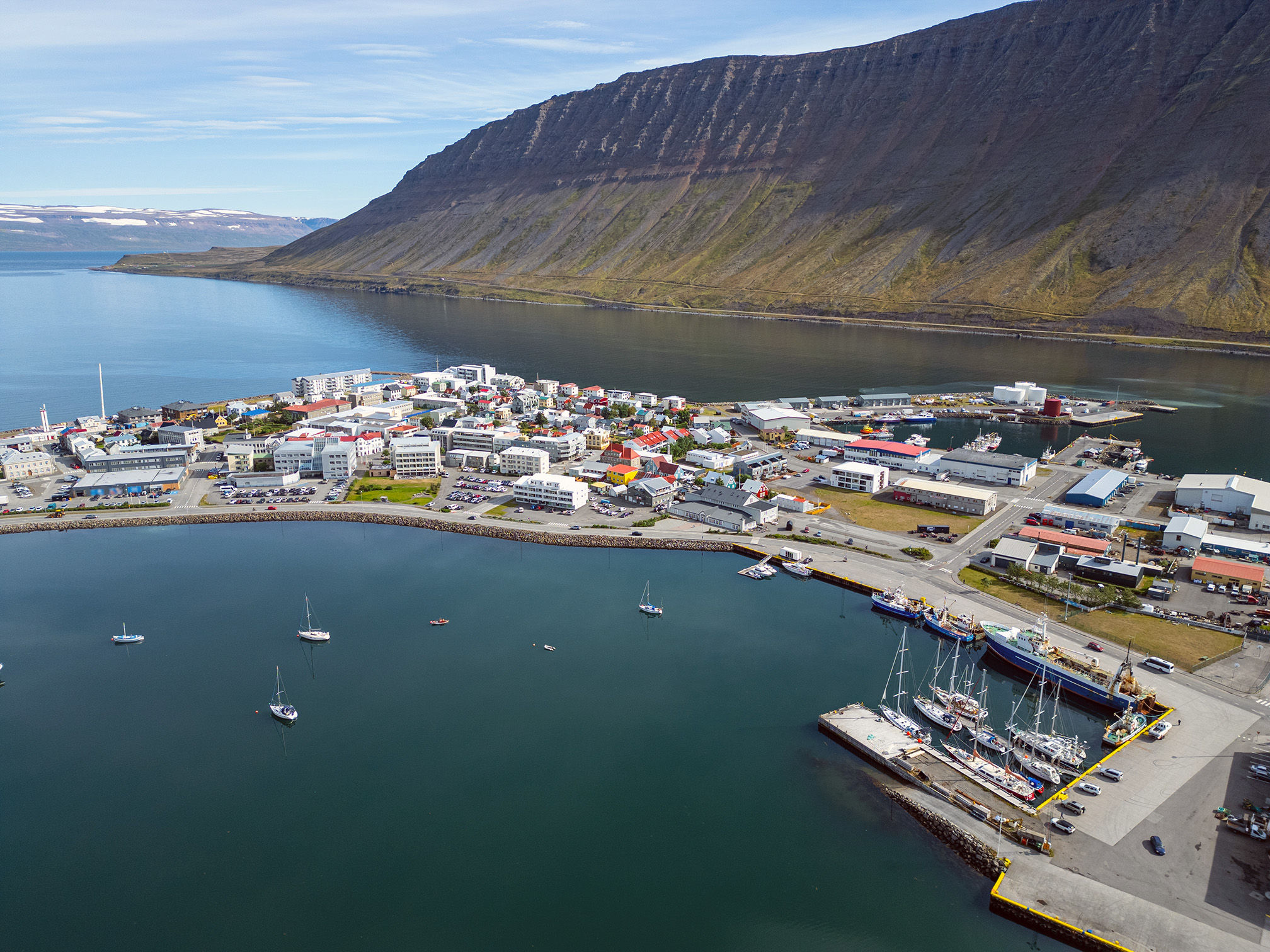
The Westfjords are Iceland at its most remote — old, sparsely populated, cut into long fingers of land by deep fjords. Ísafjörður, the main town, sits on a narrow spit ringed by mountains, its timber buildings recalling generations of fishing and trade. South of town, Dynjandi spills down the mountainside in a widening series of veils — better appreciated from the water than from any road. Vigur Island offers a quieter moment: puffins, Arctic terns, guillemots, and eider ducks working the shoreline during nesting season. Some itineraries push into Hornstrandir, a roadless nature reserve where Arctic foxes move with less fear of humans than almost anywhere else in the country. Boat access is really the only access, which is exactly why it stays wild.
North to the Arctic Circle
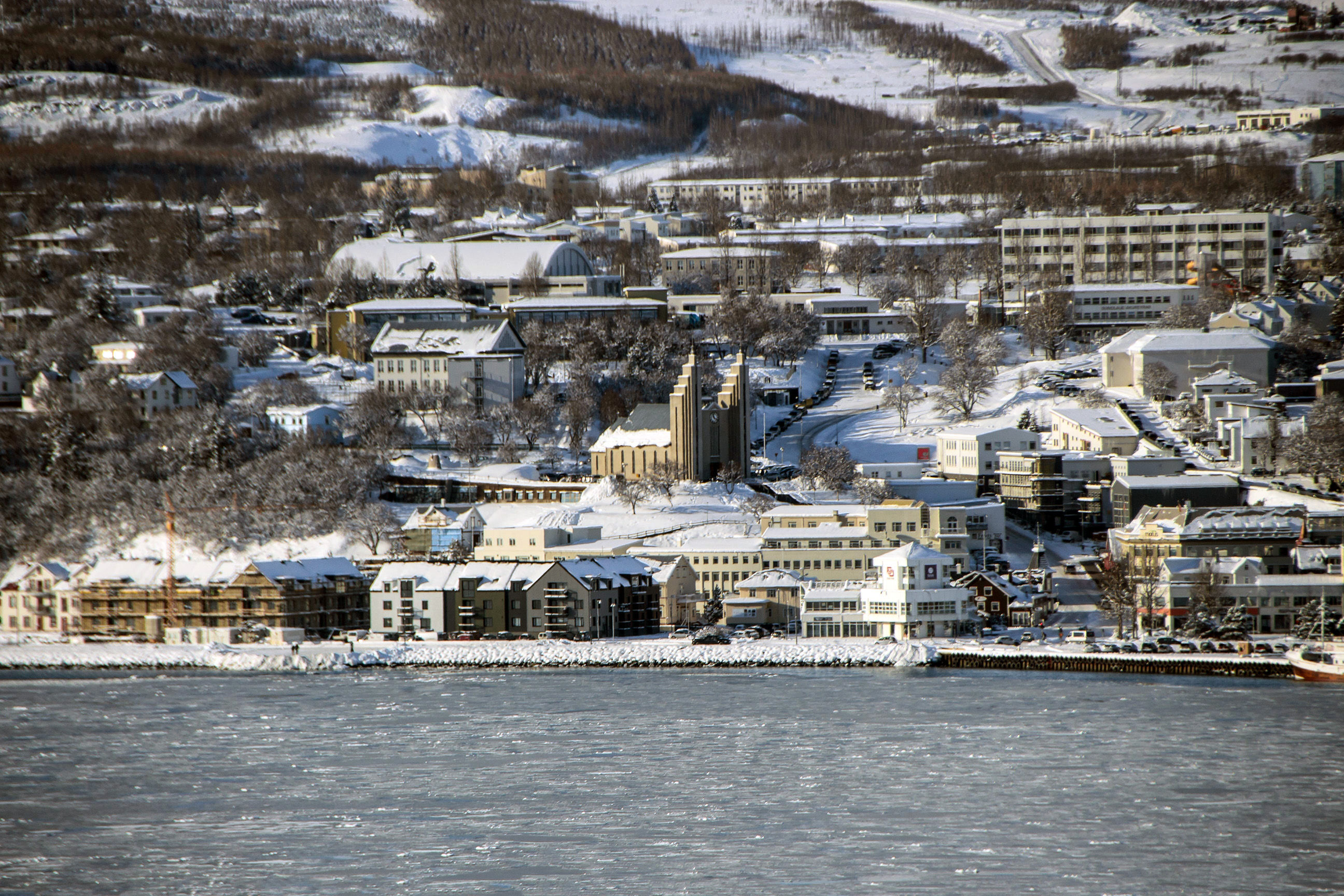
Akureyri, near the head of Eyjafjörður, plays the role of Iceland's northern capital — gardens, cafés, a striking hilltop church, all a short reach from the Arctic Circle. East of it, Húsavík looks out over Skjálfandi Bay, one of the country's best whale-watching grounds, where humpbacks and minke whales are regular, and dolphins and porpoises make the occasional appearance.
Farther out sits Grímsey — the only inhabited Icelandic island the Arctic Circle actually crosses. It's a place of cliffs, open grass, and enormous seabird colonies: puffins along the ledges, guillemots and razorbills filling the air. Stepping ashore here means crossing the Arctic Circle on foot, a small but oddly satisfying milestone.
The Eastfjords
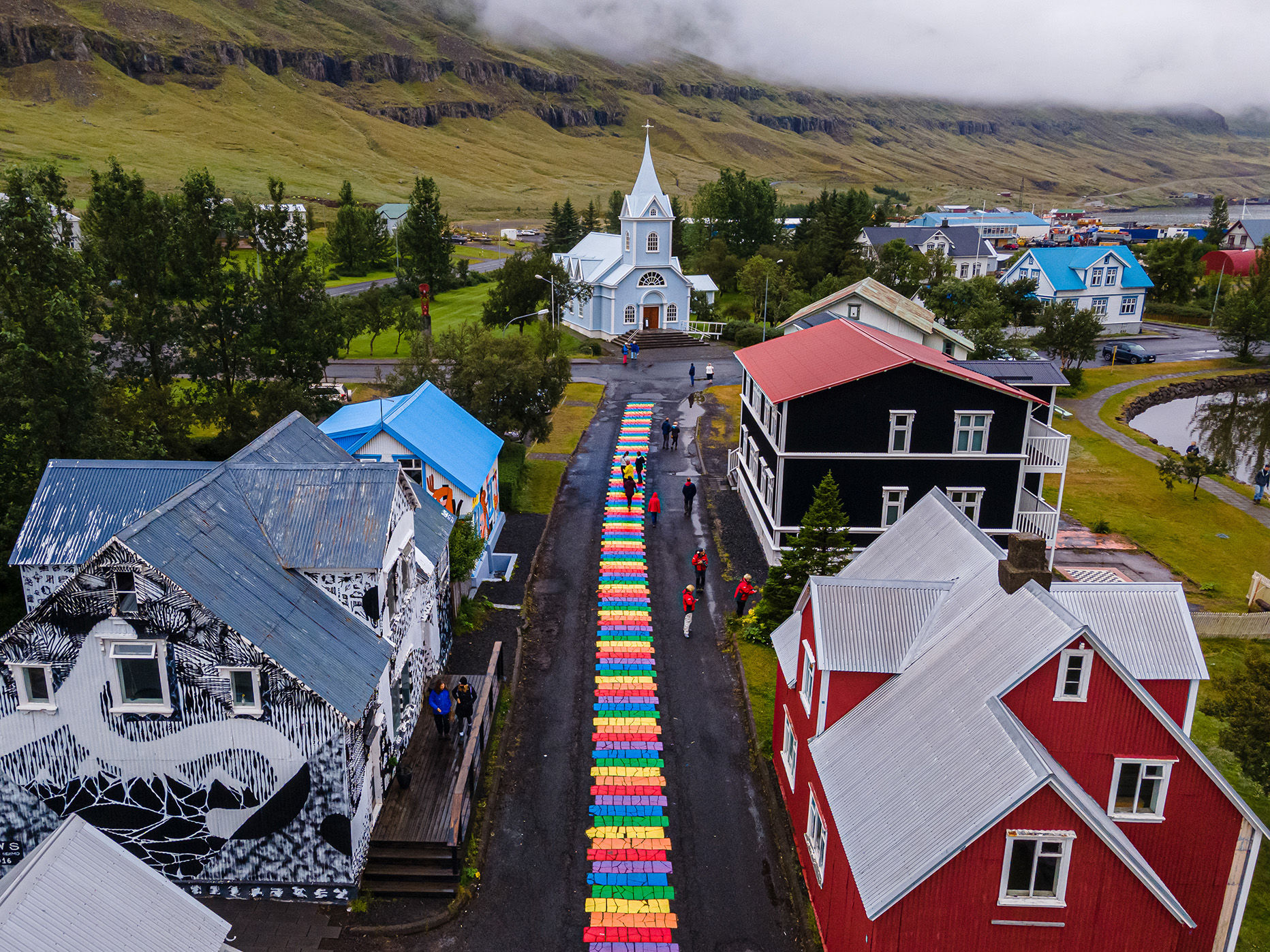
The Eastfjords slow everything down. Narrow inlets cut deep into the mountains, and small towns squeeze onto the thin strips of flat ground between slope and sea. Seyðisfjörður is the standout — a wooden, artistic little town reached through a long fjord, revealing itself gradually as the ship approaches. Other eastern harbors bring fishing traditions, local food, hiking, and a slice of wartime history, along with the occasional reindeer sighting inland.
What's in the Water (and On the Cliffs)
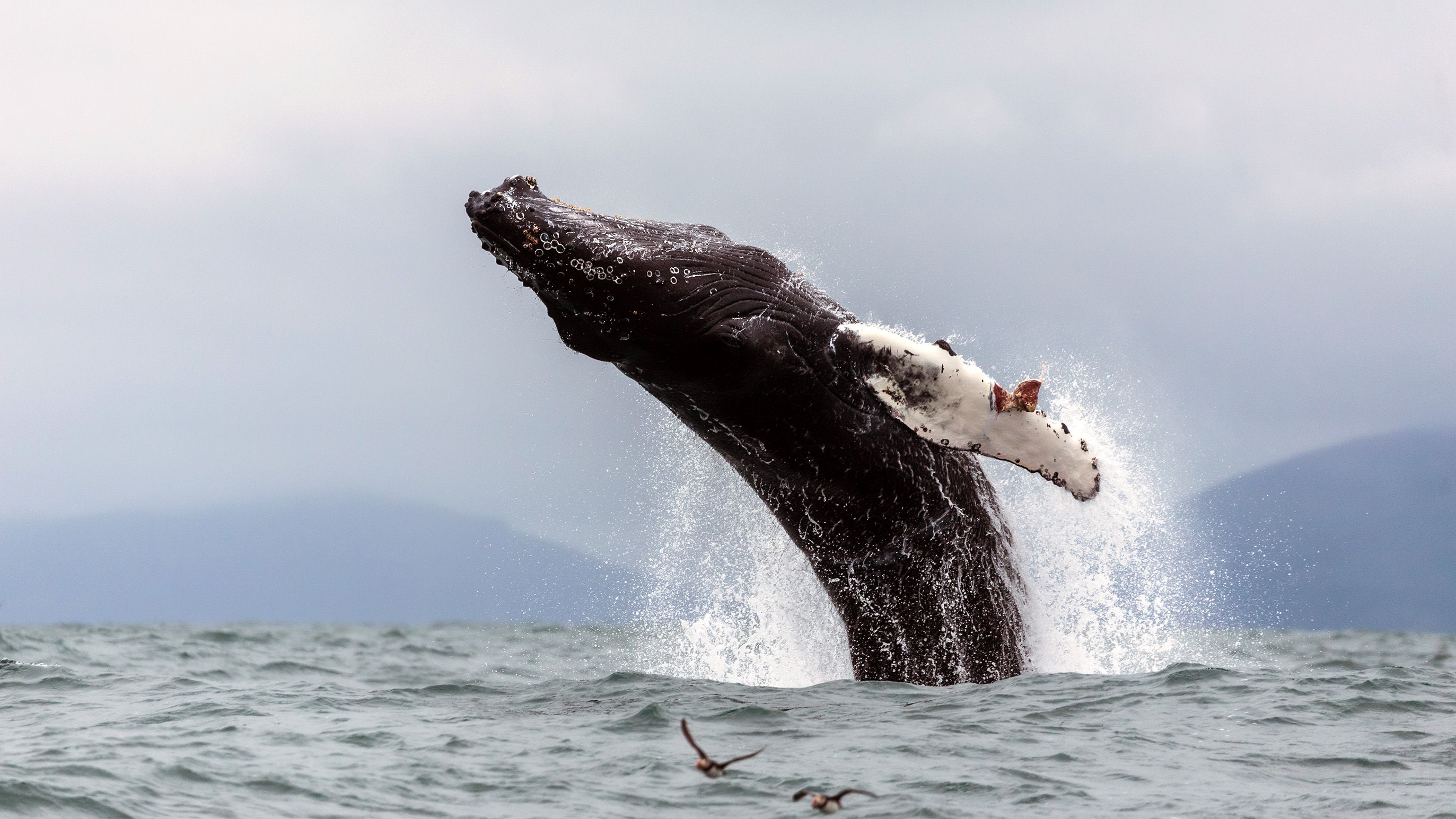
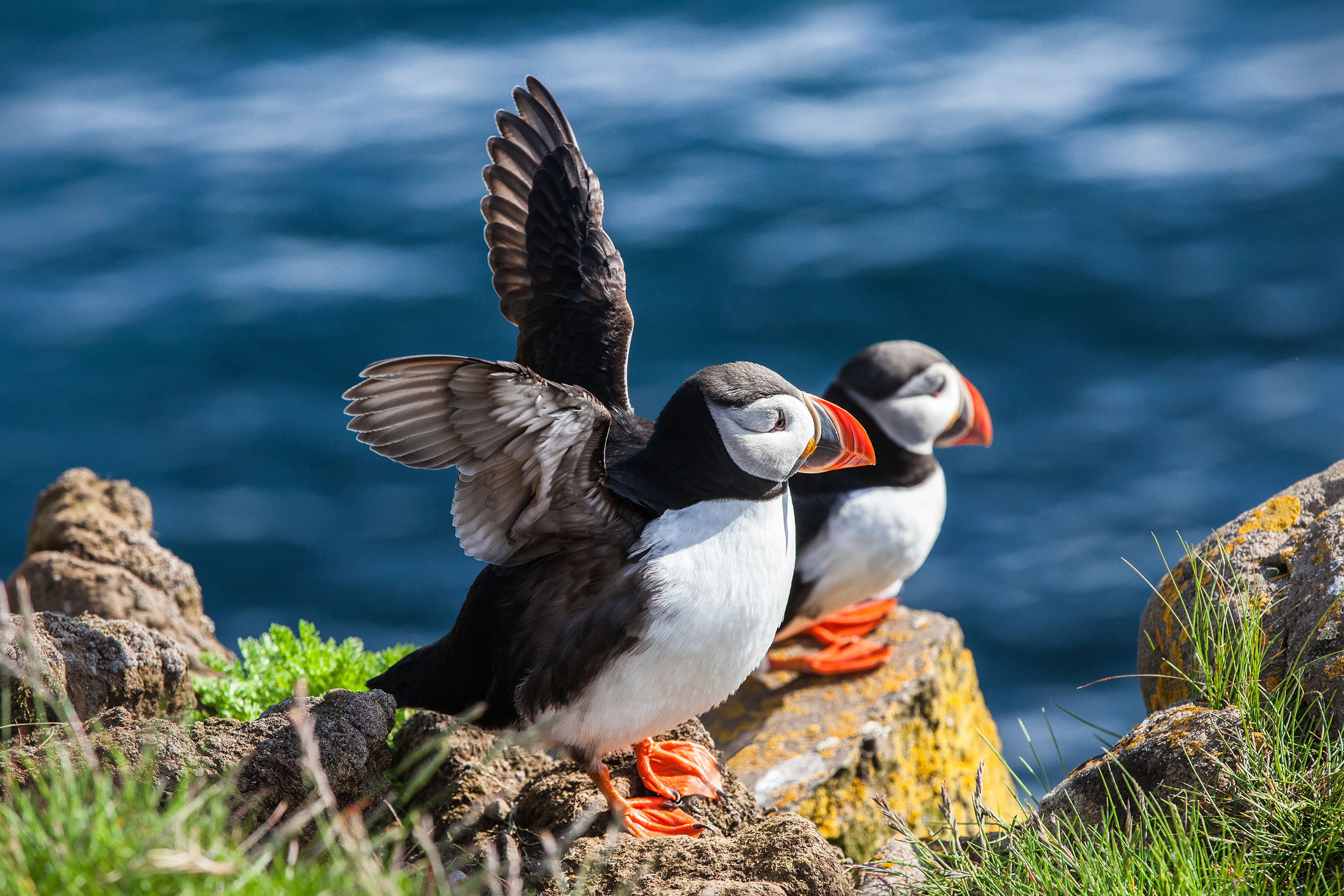
Humpbacks breach and show their flukes; minke whales surface with less fanfare. Orcas turn up when the food is right. Seals haul out on the rocks and sometimes trail a Zodiac out of curiosity. Overhead, the cliffs hold Iceland's real population boom — puffins, gannets, fulmars, Arctic terns, guillemots, razorbills.
On land, the Arctic fox is Iceland's only native land mammal, its coat shifting with the seasons for camouflage. Hornstrandir remains one of the better places to spot one, and naturalists keep excursions small and distances respectful, so wildlife stays undisturbed.
Life on Board
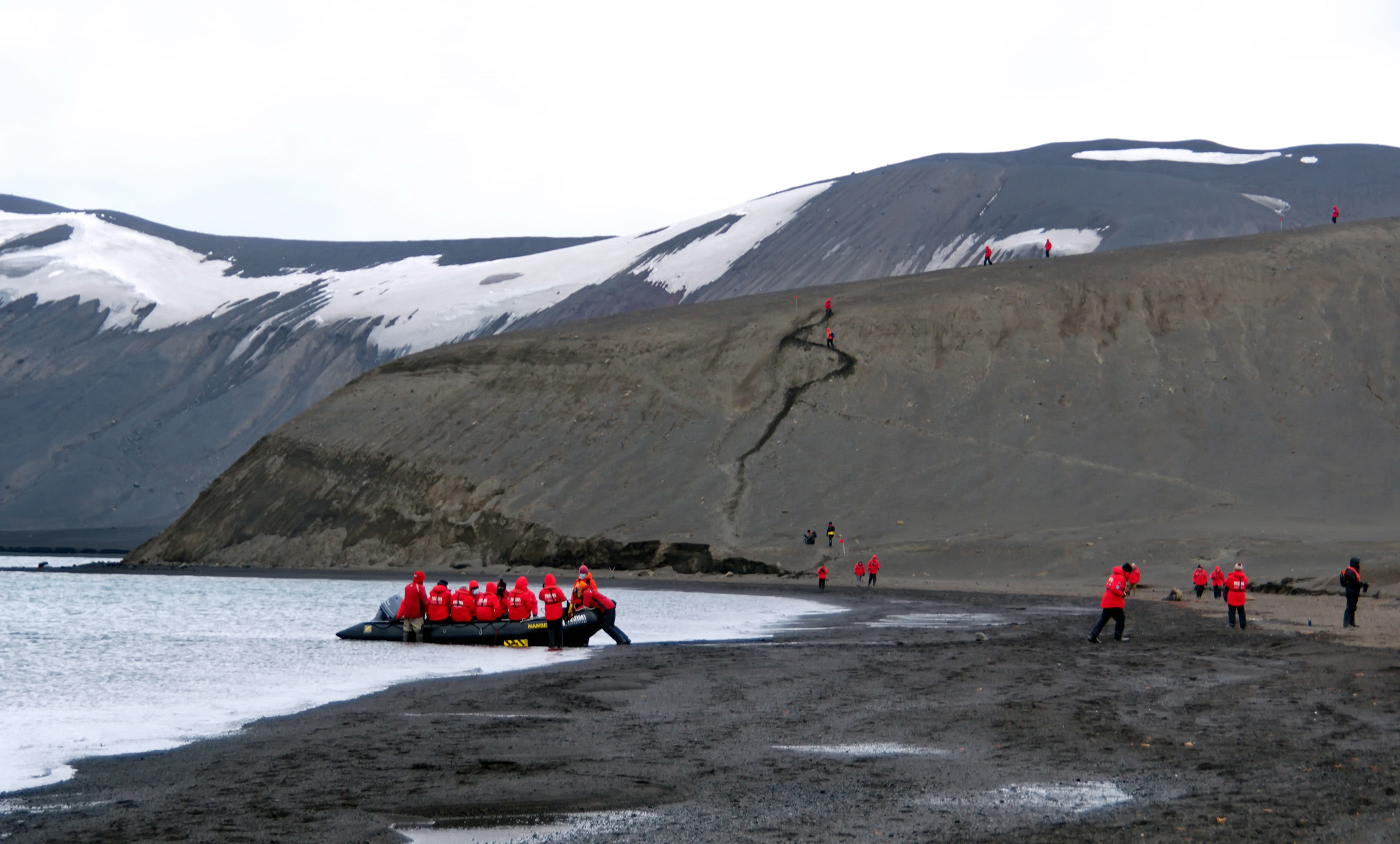
Days follow the coastline's lead. Naturalists, historians, and geologists brief guests before landings and keep the conversation going on deck. A morning Zodiac trip to a bird cliff might be followed by an afternoon walk through a fishing village or a volcanic field; some voyages add kayaking or longer hikes. Meals lean on Icelandic seafood, and with a small passenger count, the whole thing feels more communal than corporate.
When to Go
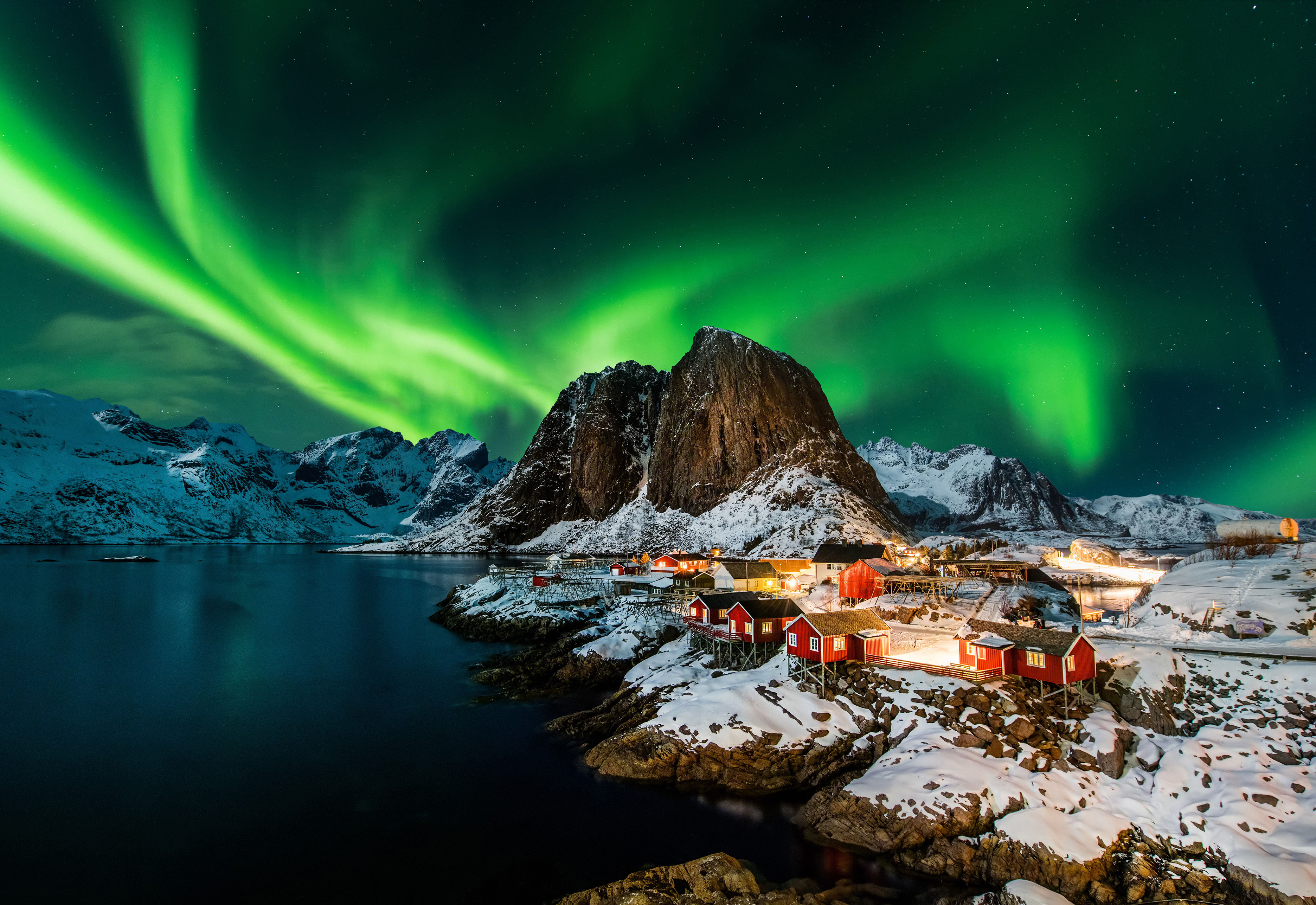
The season runs late spring to early autumn. June and July bring the longest days, busy seabird colonies, and prime hiking and whale-watching conditions — July and August tend to be the mildest overall. May and September are quieter, with September offering a shot at the northern lights, though the weather gets less predictable. Whatever the month, pack for rain and wind regardless of the forecast.
Beyond Iceland: Svalbard
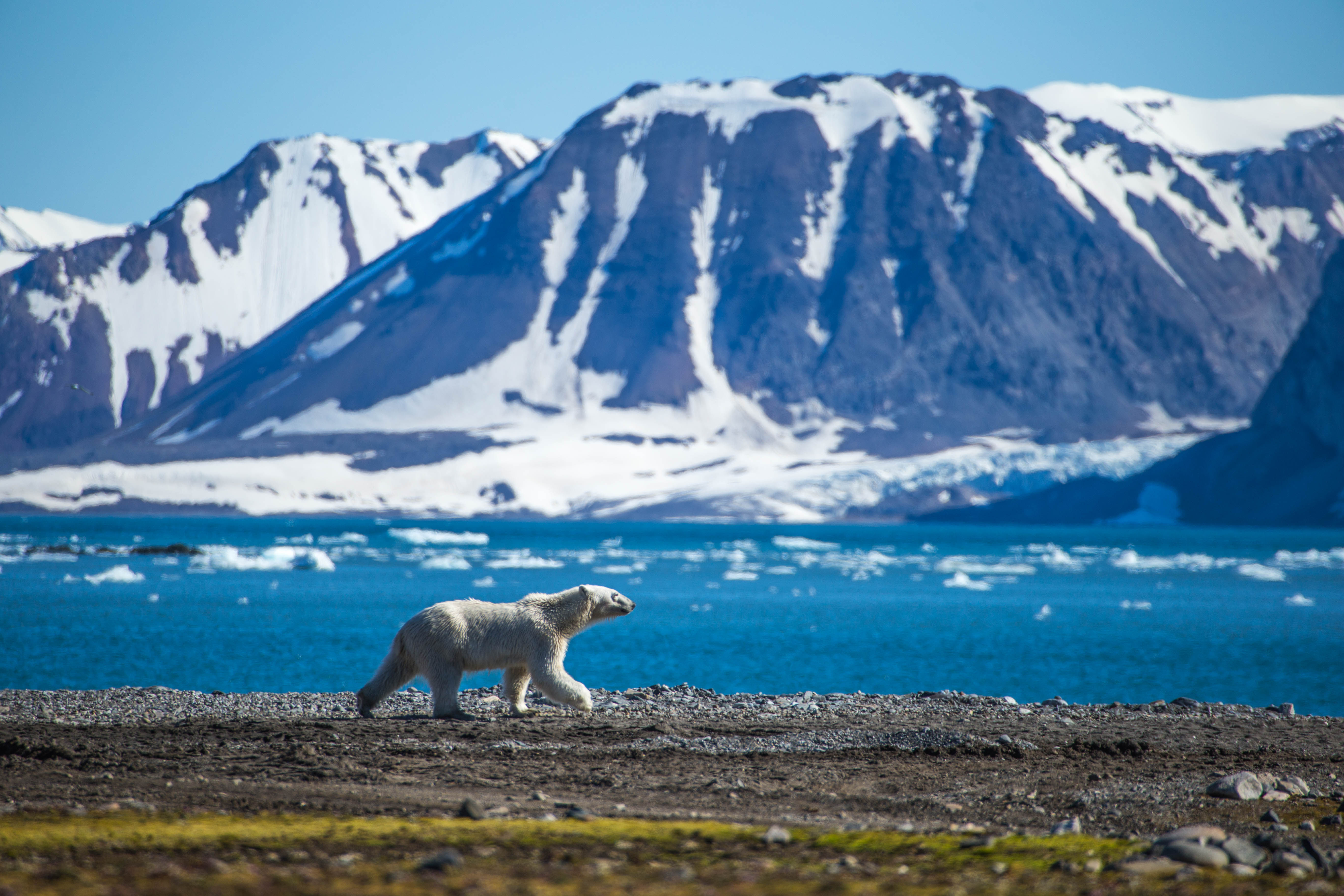
Some routes push further north, linking Iceland to Svalbard by way of the volcanic island of Jan Mayen. Longyearbyen, on Spitsbergen, opens onto glacier fronts, icy fjords, and wildlife built for harsher conditions — walruses, reindeer, polar bears. Paired together, Iceland and Svalbard make a case for two very different kinds of Arctic: one volcanic and alive with birds, the other icebound and built for extremes. Iceland rewards travelers willing to let the itinerary bend. Weather shifts, wildlife shows up uninvited, and a quiet fjord can end up being the whole trip. A small ship is simply built to follow wherever that leads.
Beyond Iceland: Voyages to Svalbard and Spitsbergen
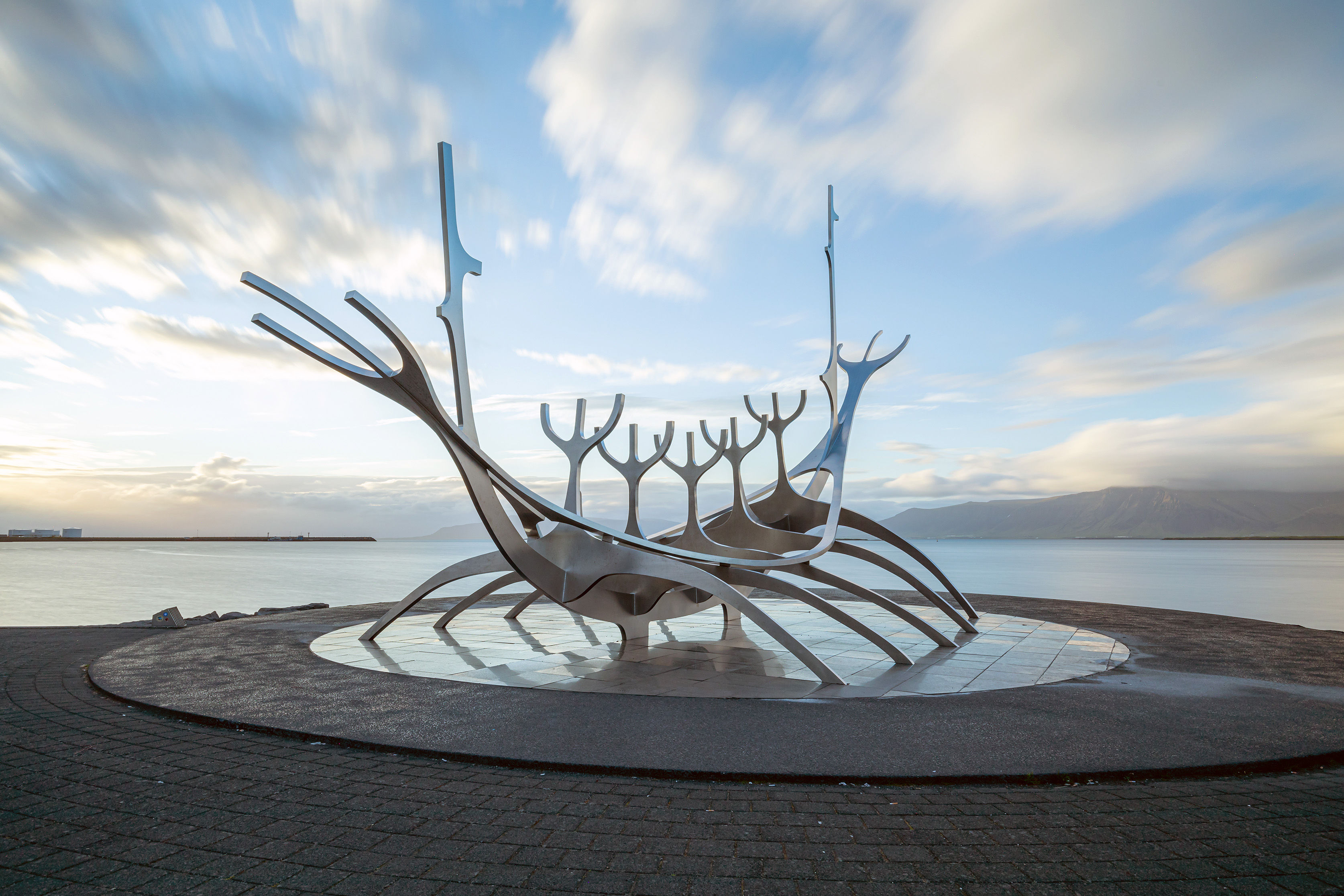
For travelers drawn deeper into the Arctic, some expedition routes connect Iceland with Svalbard, often incorporating the remote volcanic island of Jan Mayen. These voyages create a striking contrast between Iceland’s active geology and the glaciated landscapes of the High Arctic.
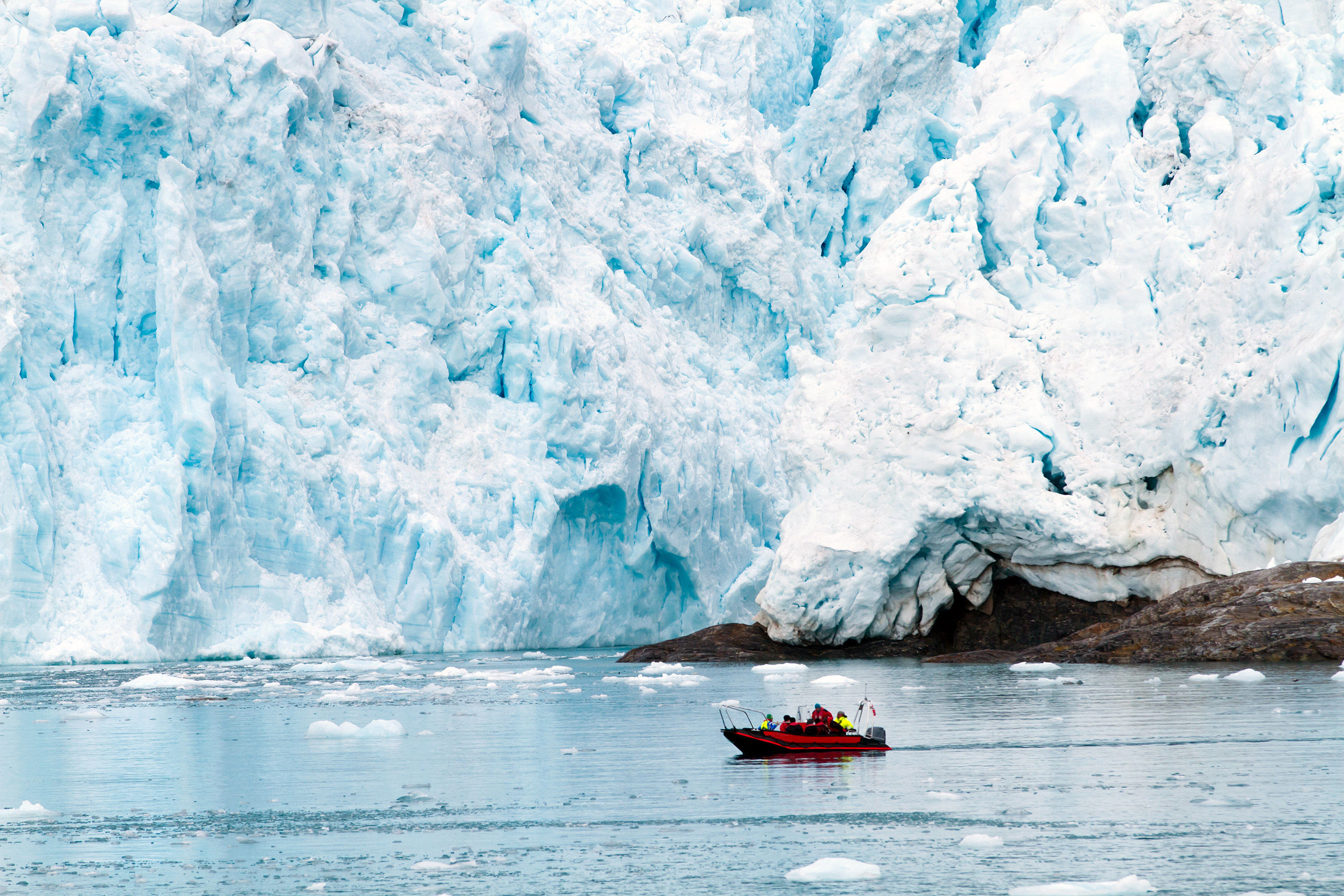
Spitsbergen is the largest island in Norway’s Svalbard archipelago. Its principal settlement, Longyearbyen, serves as the gateway for many Svalbard expedition cruises. From there, small ships explore glacier fronts, icy fjords, tundra landscapes, and habitats used by walruses, reindeer, Arctic foxes, and polar bears.
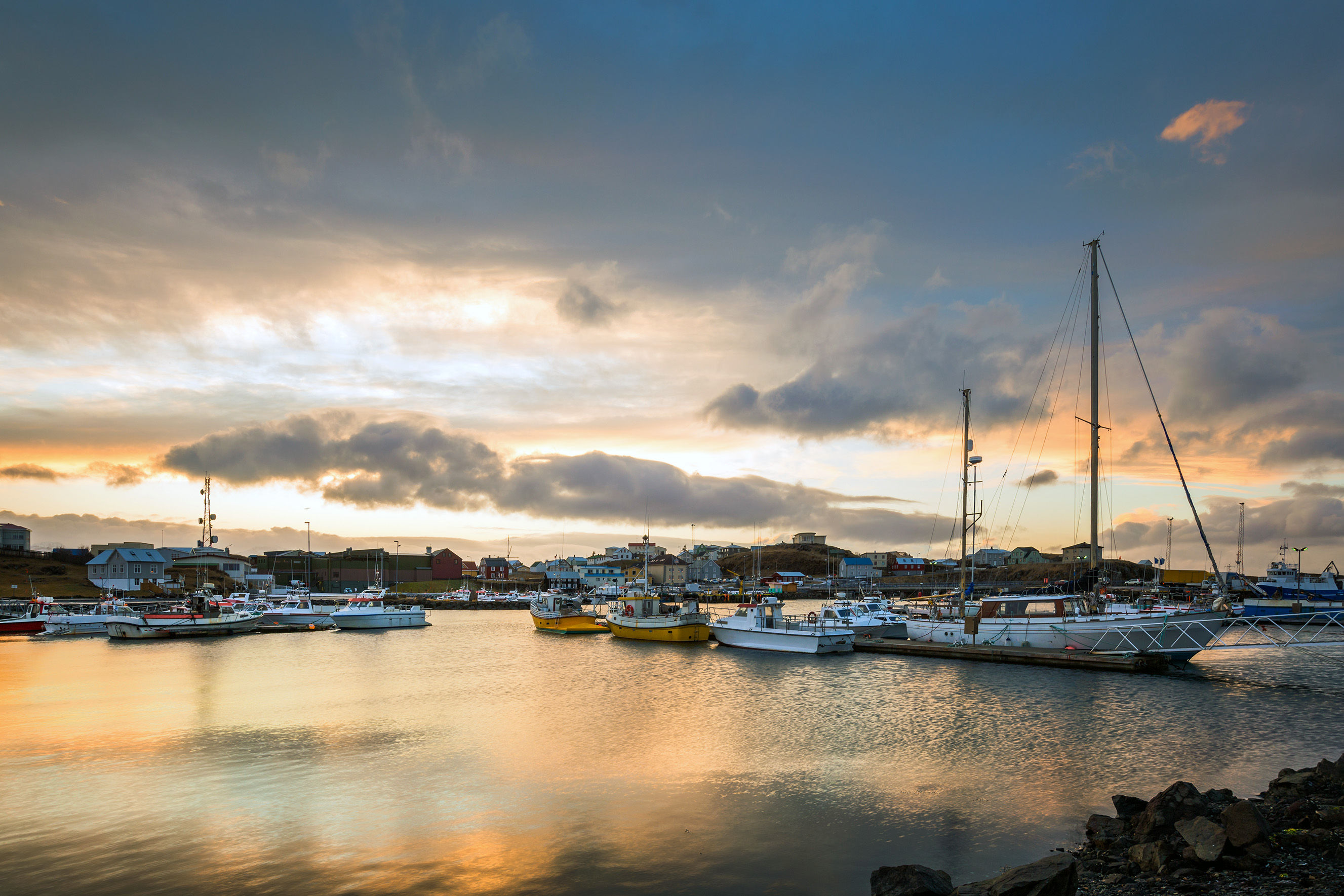
An Iceland and Svalbard cruise therefore spans two distinct Arctic worlds. Iceland brings volcanoes, waterfalls, seabird colonies, and coastal communities; Spitsbergen introduces sea ice, immense glaciers, and wildlife adapted to more extreme polar conditions. Together, they form one of the North Atlantic’s most compelling expedition journeys.
A Closer Way to Experience Iceland
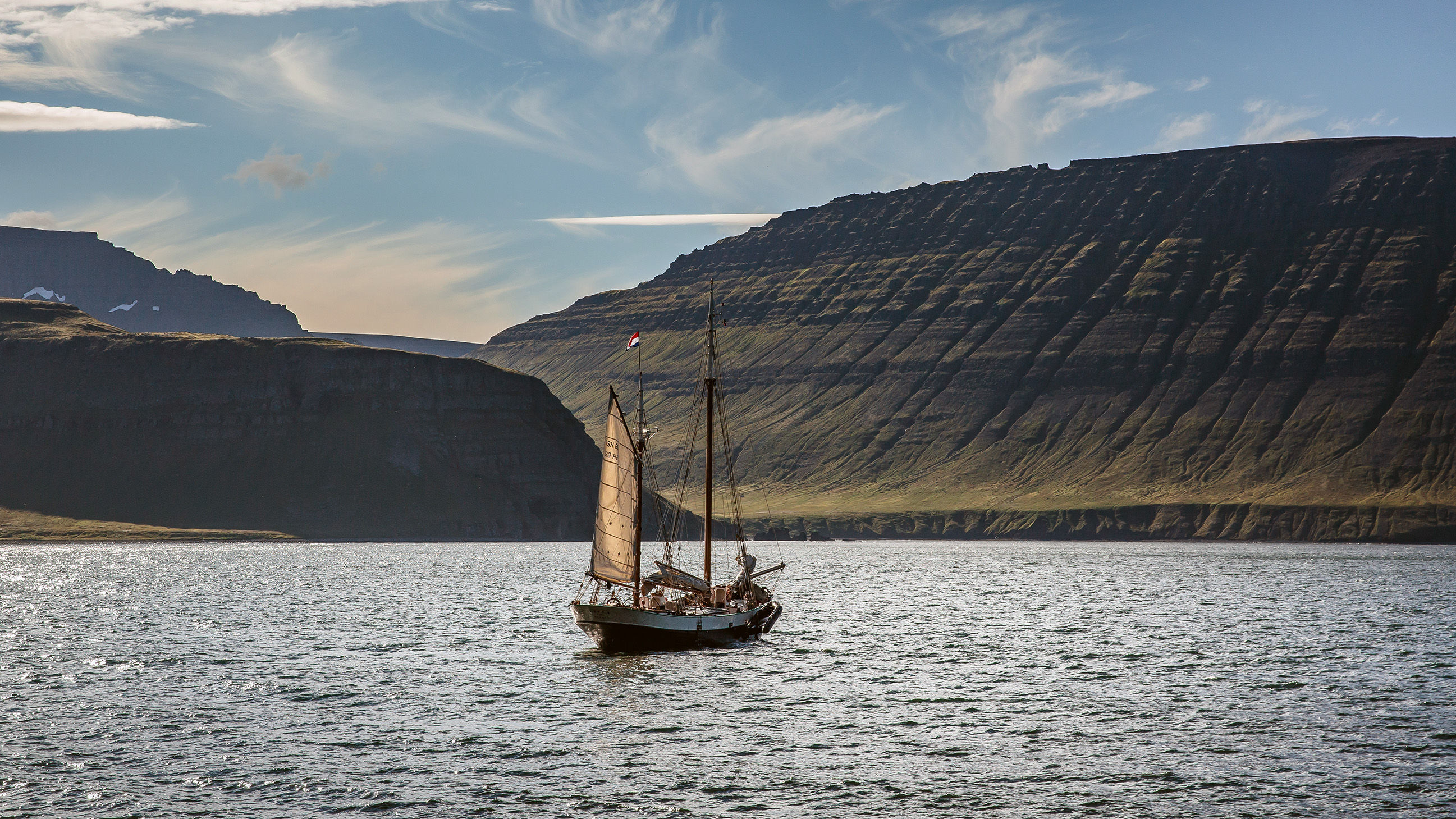
Iceland rewards travelers who remain open to uncertainty. Weather shifts, wildlife appears without warning, and a quiet fjord can become the defining moment of an entire voyage. Small ships provide the freedom to respond to these moments. They reach beyond the familiar landmarks to reveal isolated islands, little-visited communities, hidden waterfalls, and coastlines where the presence of nature still feels absolute. An Iceland small-ship cruise is more than a journey around an island. It is an invitation to move through a living landscape—one continually reshaped by fire, ice, ocean, and time.
This article was developed with AI assistance and reviewed and edited for accuracy, quality, and relevance.