Icebergs Up Close: Antarctica and Arctic Cruise Seasons
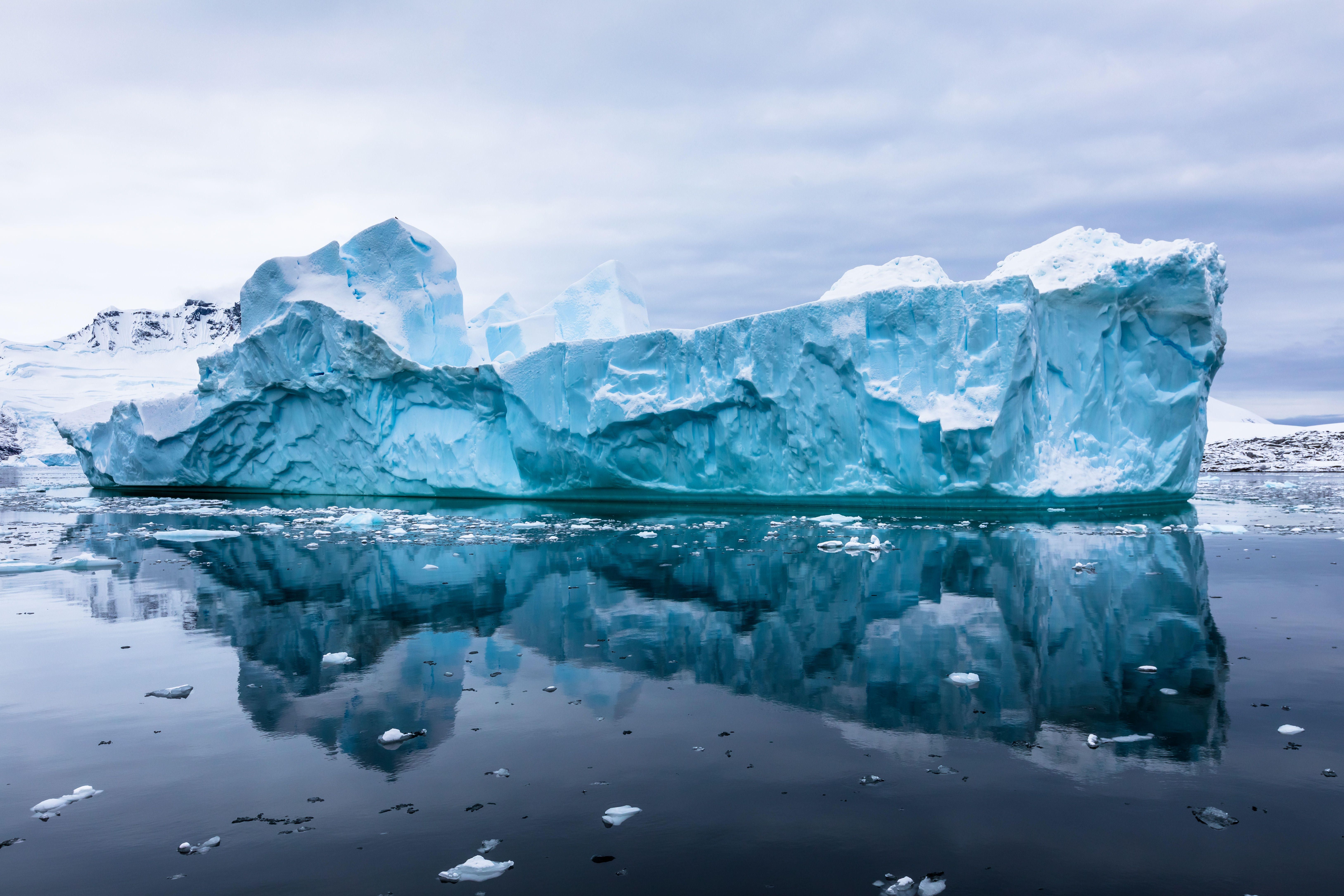
At first, an iceberg appears as a shape on the horizon: a pale wall, a blue spire, a floating island of ice catching the low polar light. Then the ship draws closer, and the scale begins to misbehave. What looked small becomes immense. What looked solid reveals arches, fractures, caves, and veins of compressed blue. Around it, the sea is dark, cold, and alive.
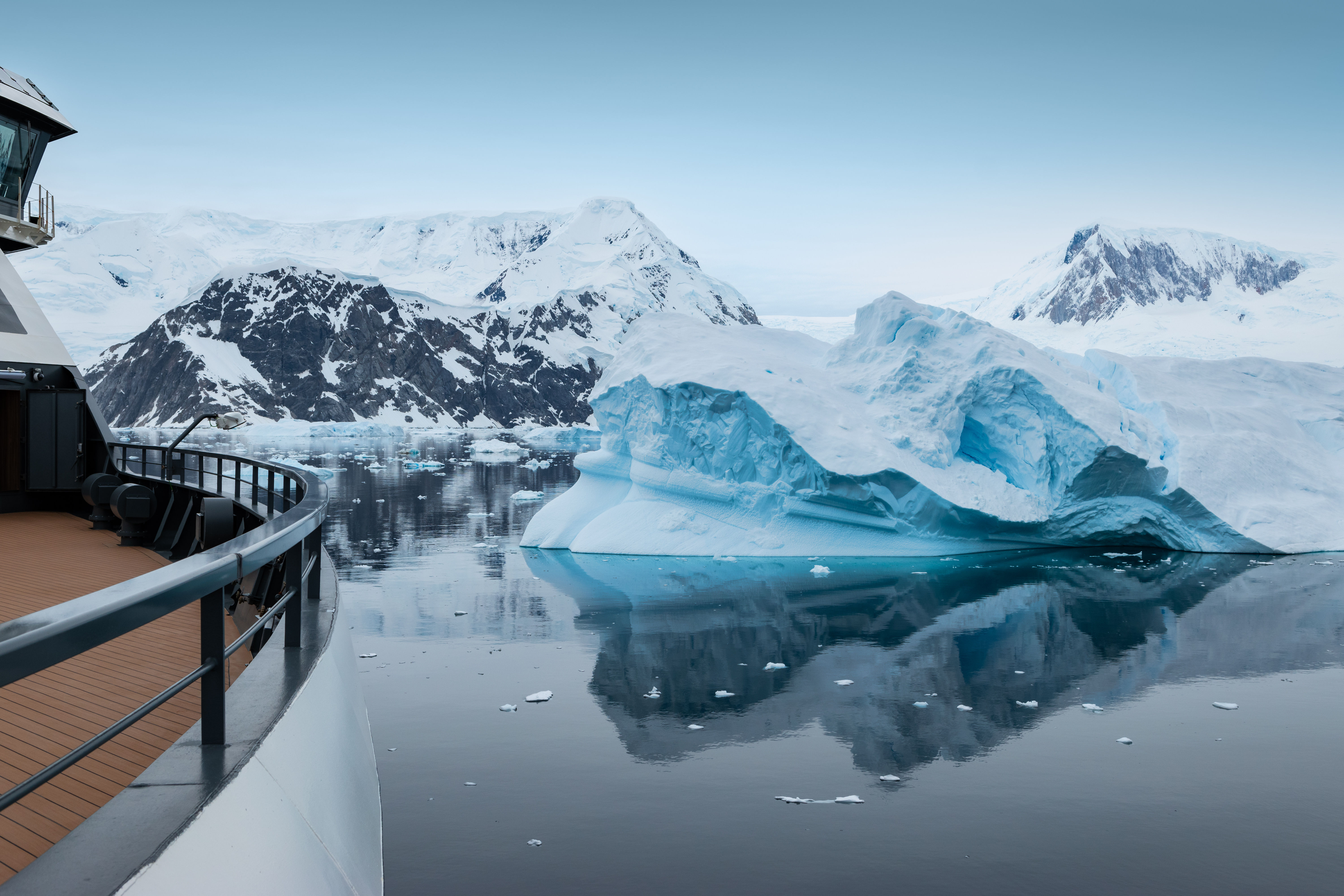
For travelers on an Antarctica expedition or an Arctic cruise, icebergs are more than scenery. They are ancient fragments of the planet’s frozen interior, released from glaciers and carried into the ocean by wind, current, and time. Some are sculpted like towers; others drift flat and colossal, their tabular edges rising from the water like the walls of a lost city. To sail among them is to enter a world still being carved.
What an Iceberg is
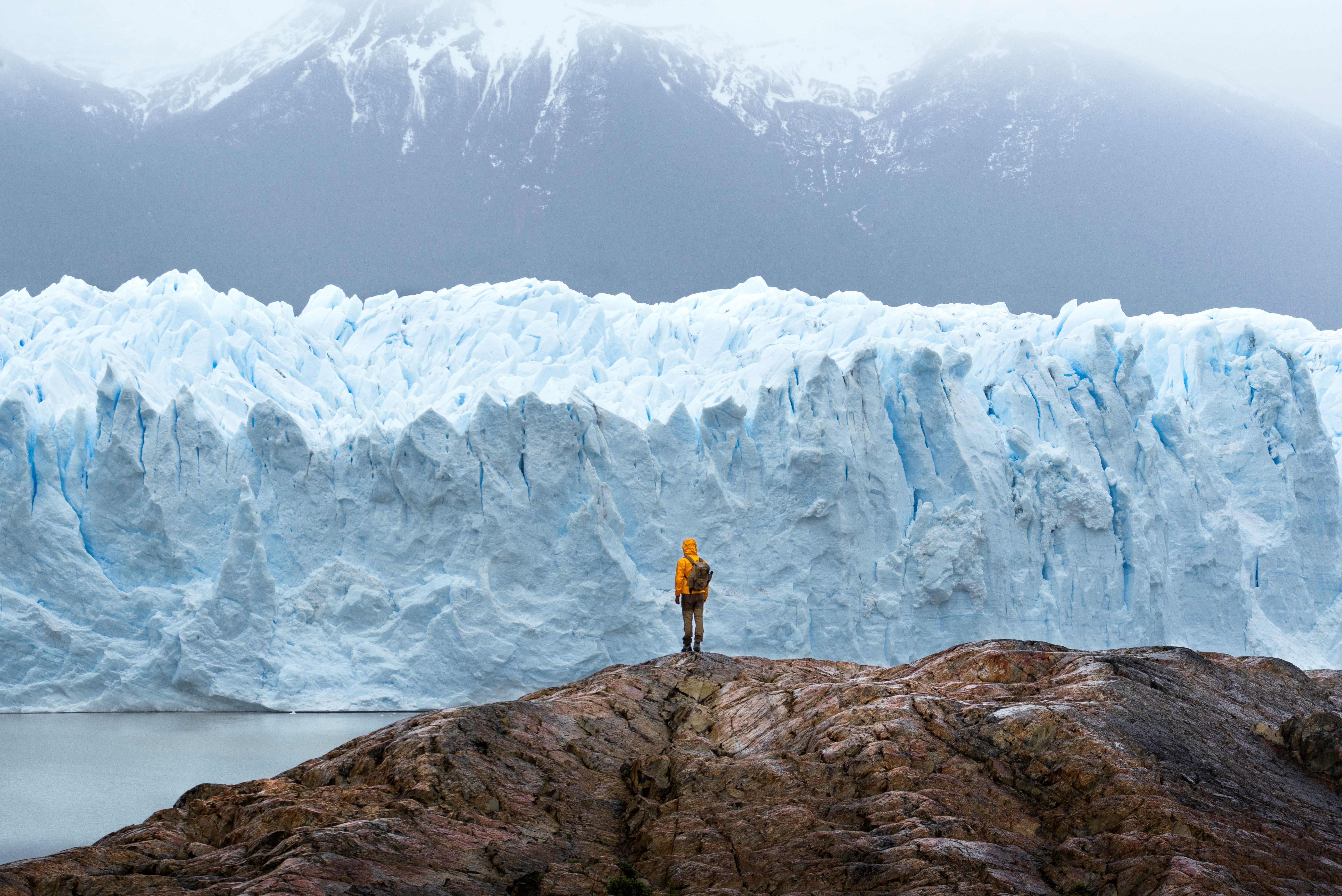
An iceberg is a large piece of freshwater ice that has broken away from a glacier or ice shelf and now floats in the sea. Though it may seem enormous above the surface, most of its mass lies hidden underwater. This gives icebergs their strange, magnetic presence: they are visible and invisible at once, beautiful to watch yet never fully revealed.

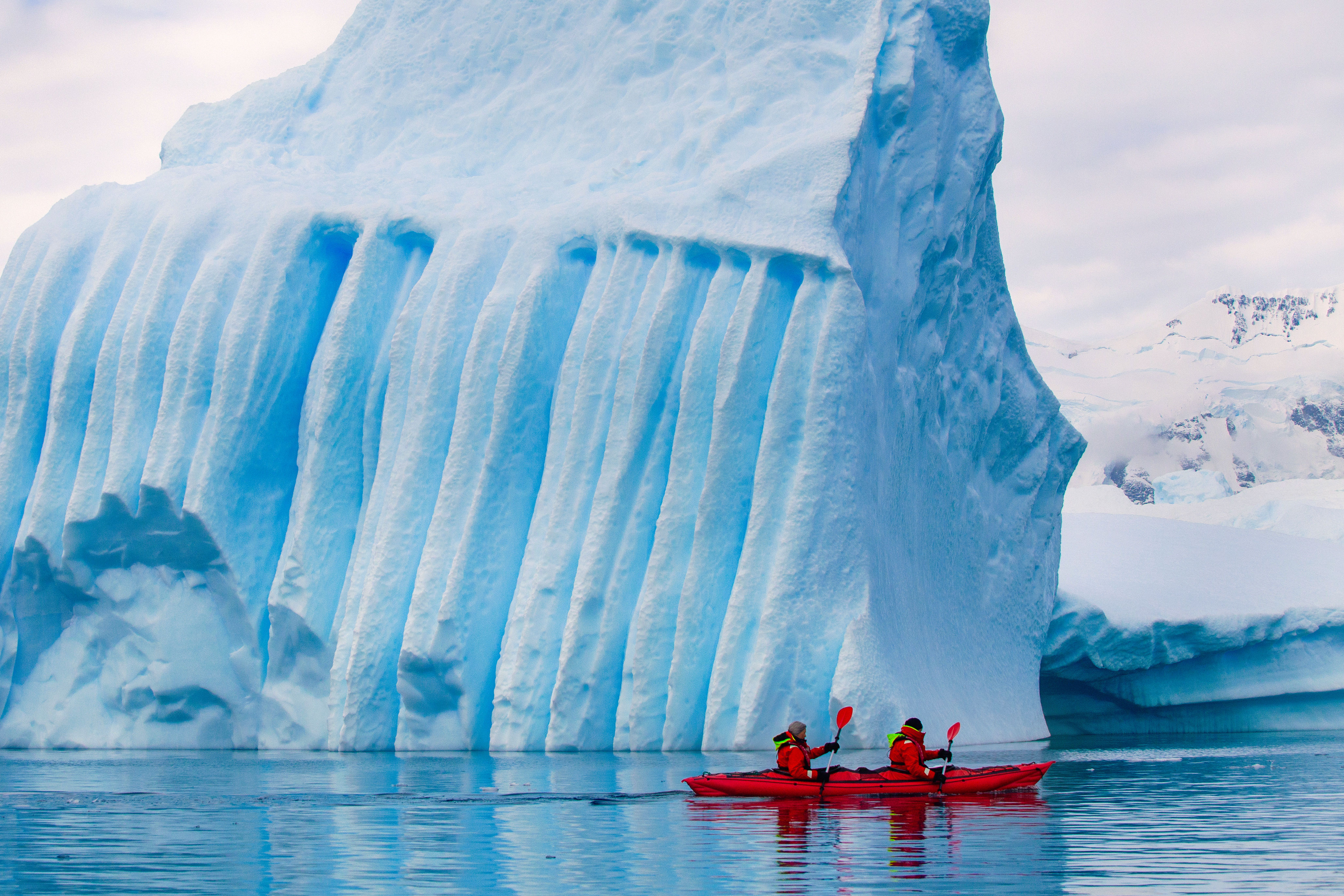
Their forms vary widely. In Antarctica, expedition vessels may encounter vast tabular icebergs, sheared from ice shelves and drifting like frozen plateaus. Along the Antarctic Peninsula, travelers often see sculpted bergs shaped by waves, meltwater, and weather into pinnacles, arches, caves, and domes. Smaller pieces of ice, known as bergy bits and growlers, may glitter around the ship like fragments of broken glass.
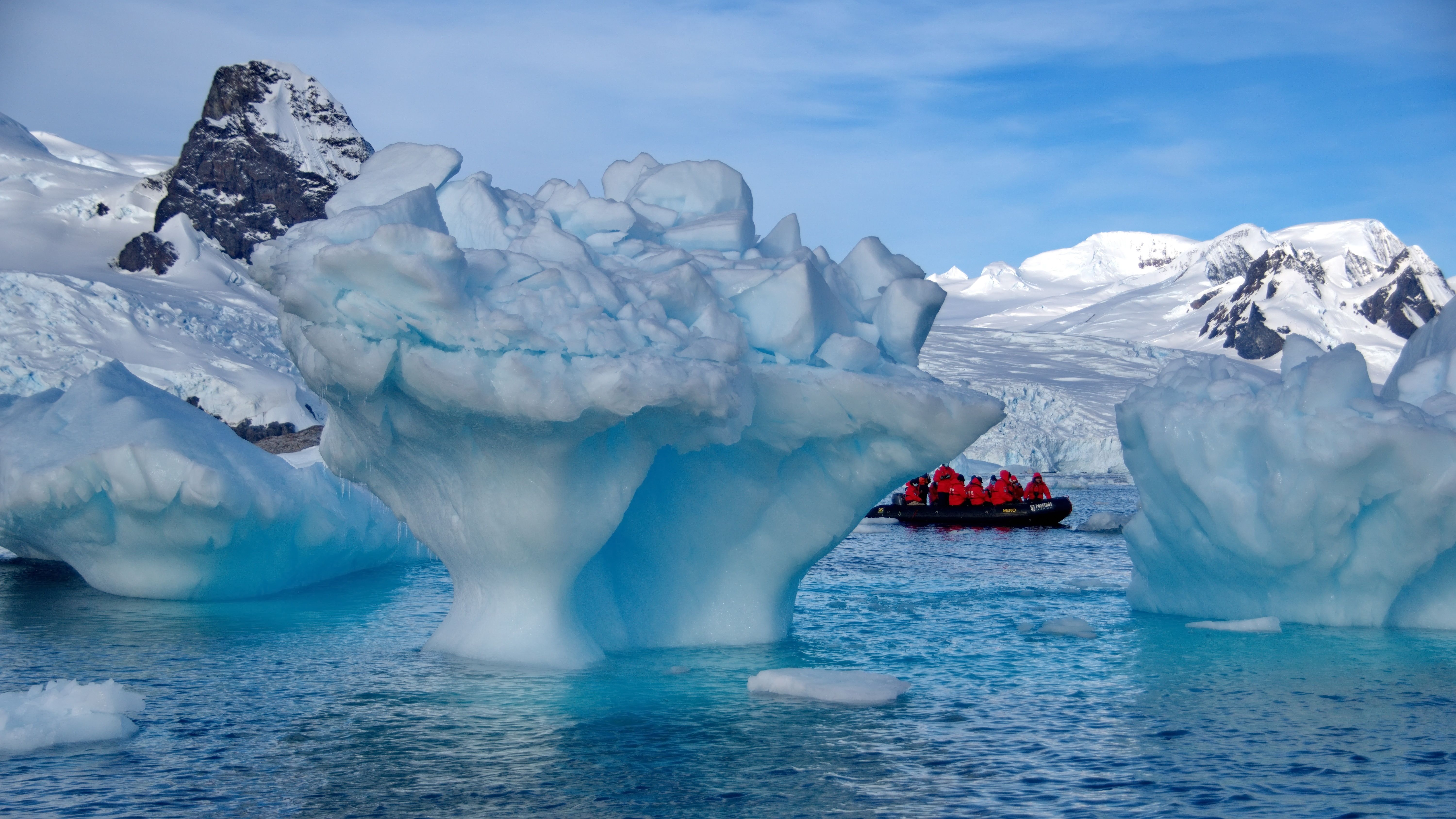
The color of an iceberg tells part of its story. White ice is filled with tiny air bubbles that scatter light. Deep blue ice has been compressed until much of that air is forced out, allowing longer wavelengths of light to be absorbed and blue tones to shine through. Under a cloudy sky, an iceberg may look ghostly and silver; under the midnight sun or an Antarctic evening, it can glow with turquoise, lavender, or gold.
The Life Cycle of an Iceberg
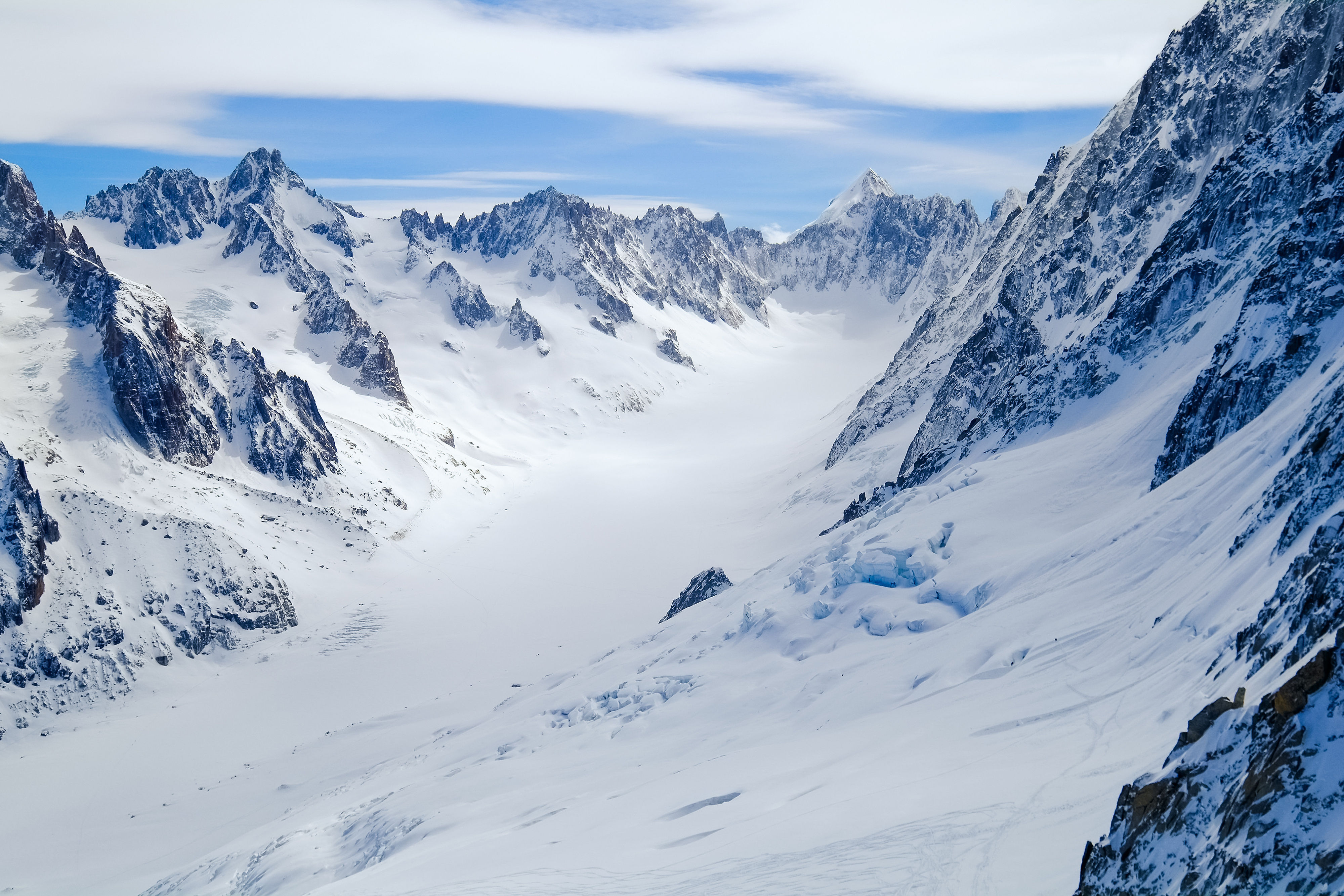
An iceberg begins long before it reaches the sea. Its story starts as snowfall over polar land, where winter after winter, fresh snow accumulates faster than it melts. Over decades, centuries, or even millennia, the weight of new snow compresses older layers beneath it. Air is squeezed into tiny bubbles. Snow crystals change shape. Gradually, the snow becomes firn, then dense glacial ice.
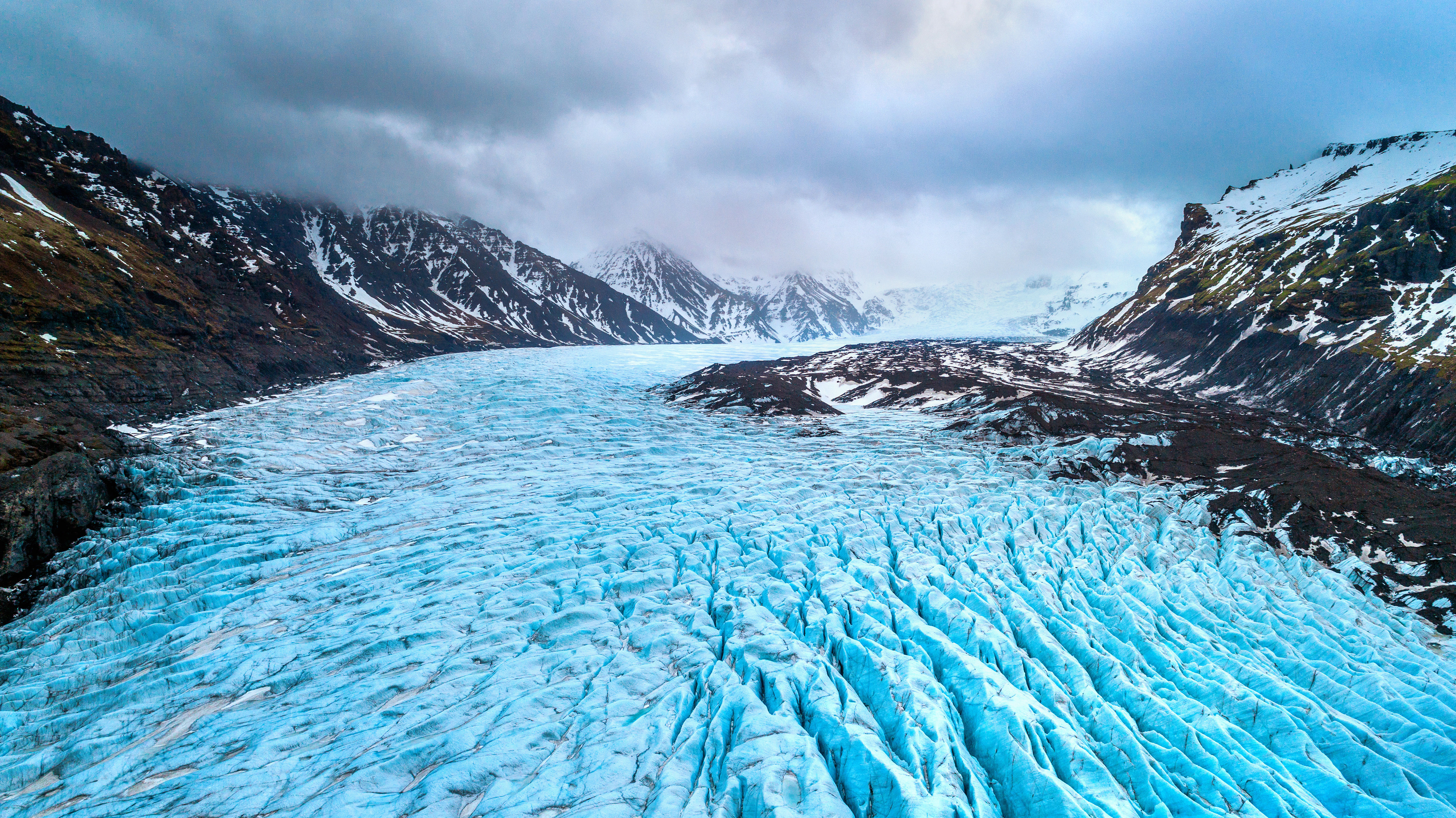
Once formed, a glacier is not still. It flows slowly downhill under its own weight, moving like an extremely slow river toward the coast. Along the way, the ice cracks, folds, grinds against rock, and gathers traces of the landscapes beneath it. At the edge of the sea, where the glacier meets deep water or extends outward as an ice shelf, the pressure builds. Fractures widen. The ocean undercuts the ice. Tides flex it. Waves and weather work at their edges.
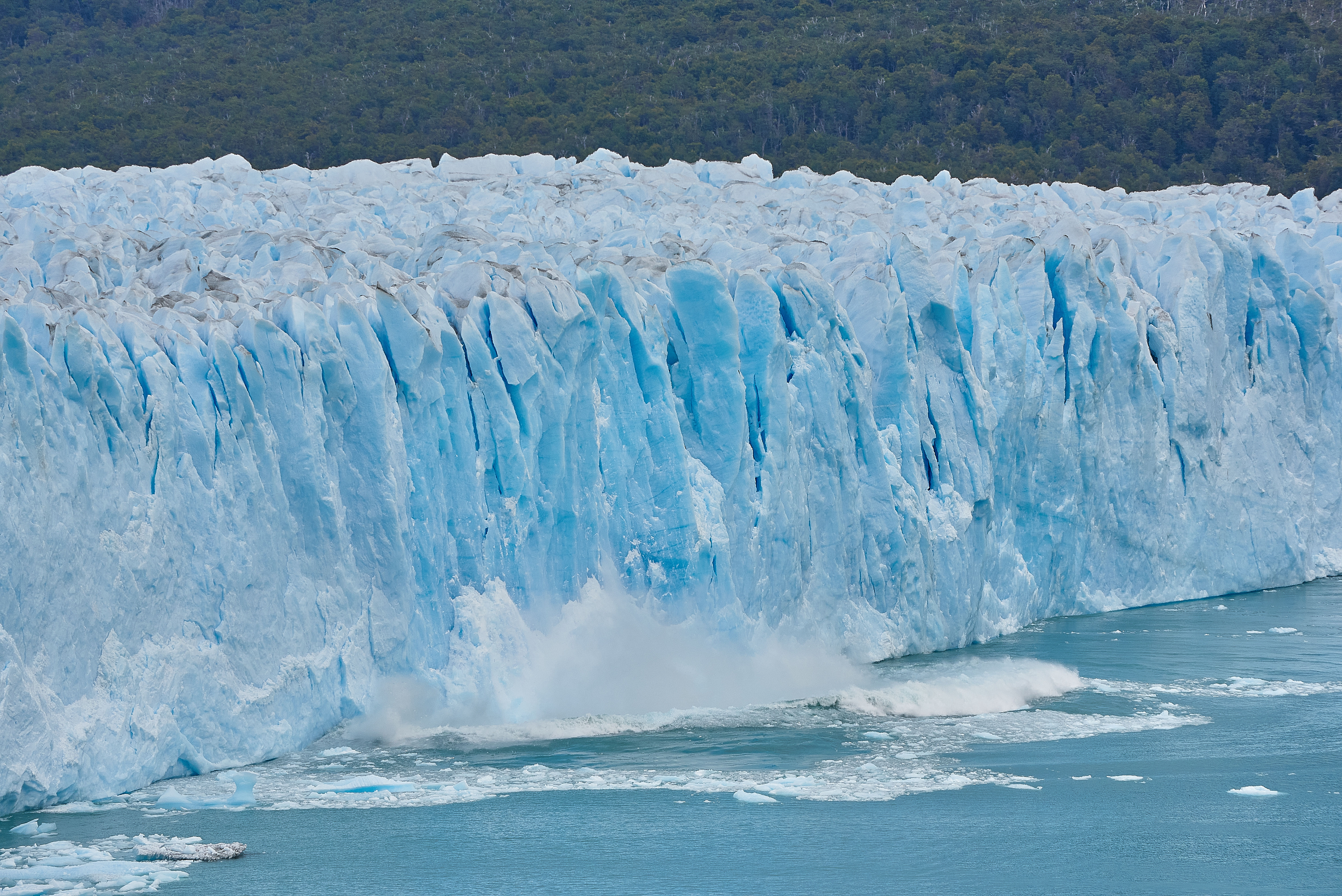
Then comes calving: the moment when a section of glacier or ice shelf breaks away and enters the ocean. Sometimes this happens with a thunderous collapse, sending spray and waves outward. Sometimes a crack opens quietly, and a huge mass of ice begins its independent journey. From that moment, the iceberg becomes a floating island.
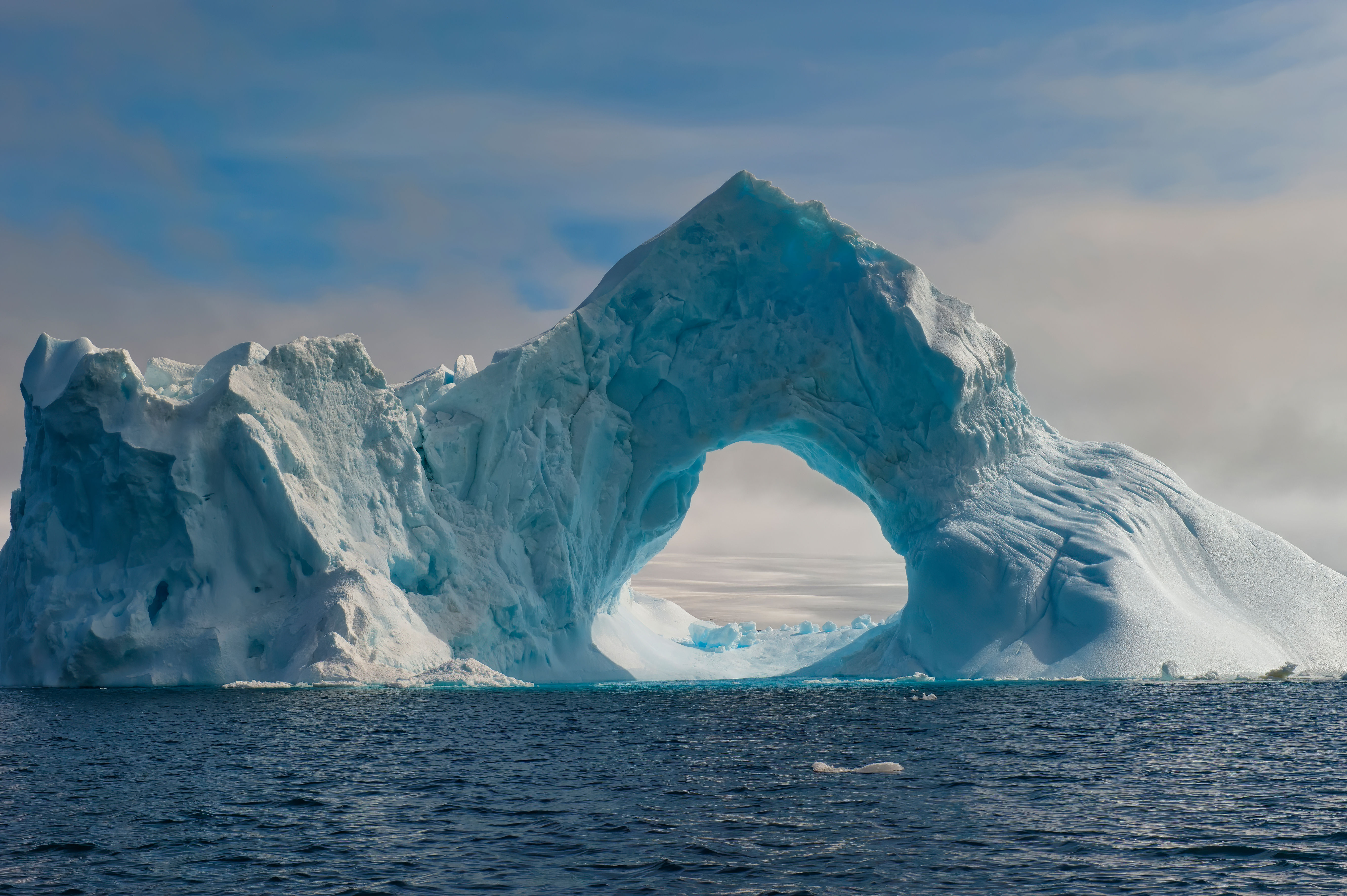
Its life at sea is shaped by current, wind, temperature, tides, and waves. Some icebergs remain close to the glacier that produced them. Others travel far from their birthplace, drifting through fjords, along coastlines, or into open ocean. As they move, they melt from above and below. Rain softens their surface. Waves carve notches into their sides. Warmer seawater erodes them from underneath. Their balance shifts. They may roll without warning, exposing newly submerged blue ice to the air. They may split apart, collapse, or scatter into smaller fragments.
Eventually, every iceberg disappears. Its freshwater returns to the sea, completing a journey that began as snow falling silently on a polar ice sheet.
Where to See Icebergs on a Cruise
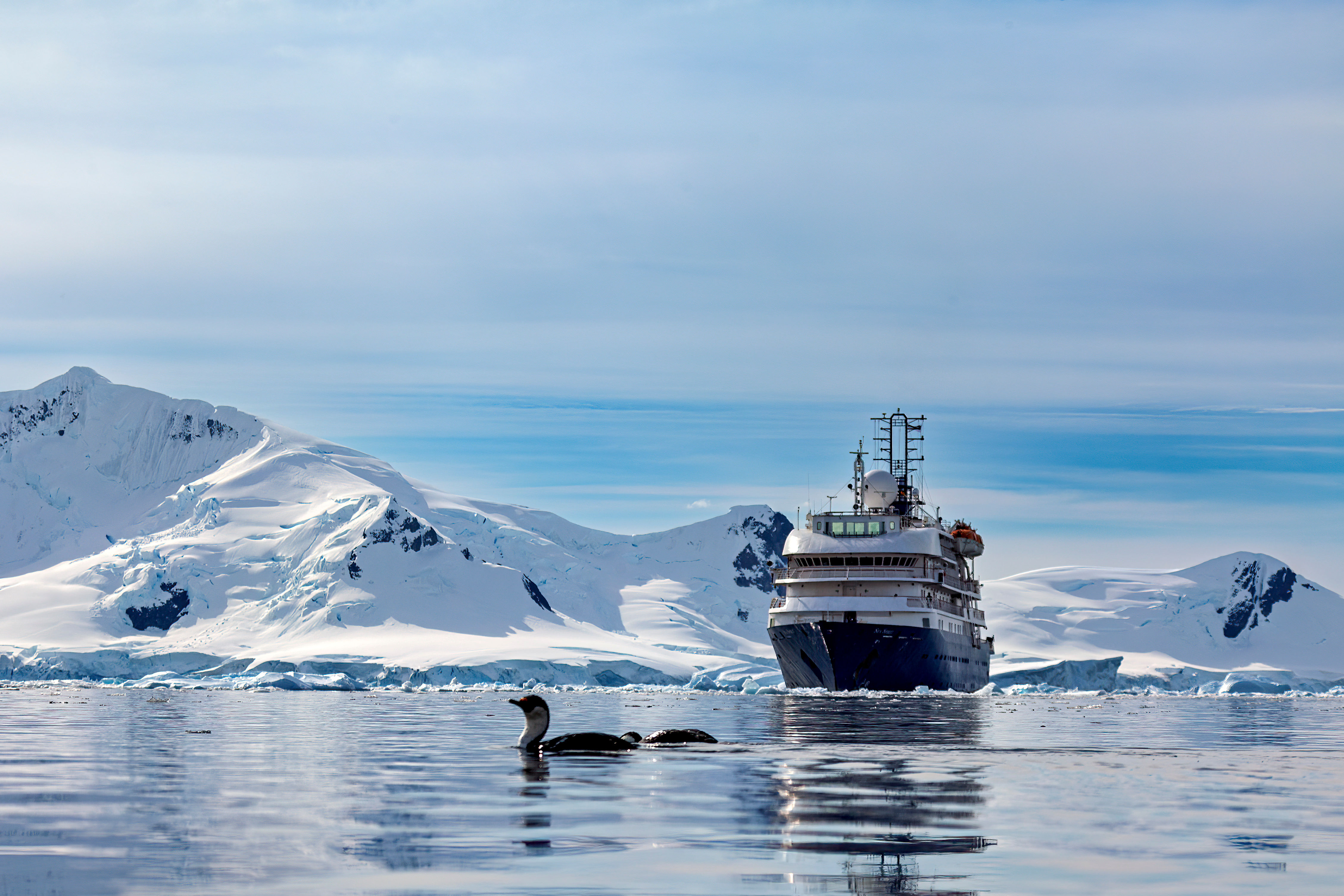
The world’s most dramatic iceberg-viewing regions are found in the high latitudes, where glaciers still meet the sea, and summer brings enough open water for expedition ships to navigate safely. For cruise travelers, two regions stand apart: Antarctica and the Arctic.
Antarctica Expedition Cruises
An Antarctica expedition cruise is one of the most powerful ways to experience icebergs at scale. Most itineraries focus on the Antarctic Peninsula, a long finger of mountains, glaciers, bays, and ice-choked channels stretching toward South America. Ships often sail from Ushuaia, crossing the Drake Passage before reaching the South Shetland Islands and the peninsula’s protected waterways.
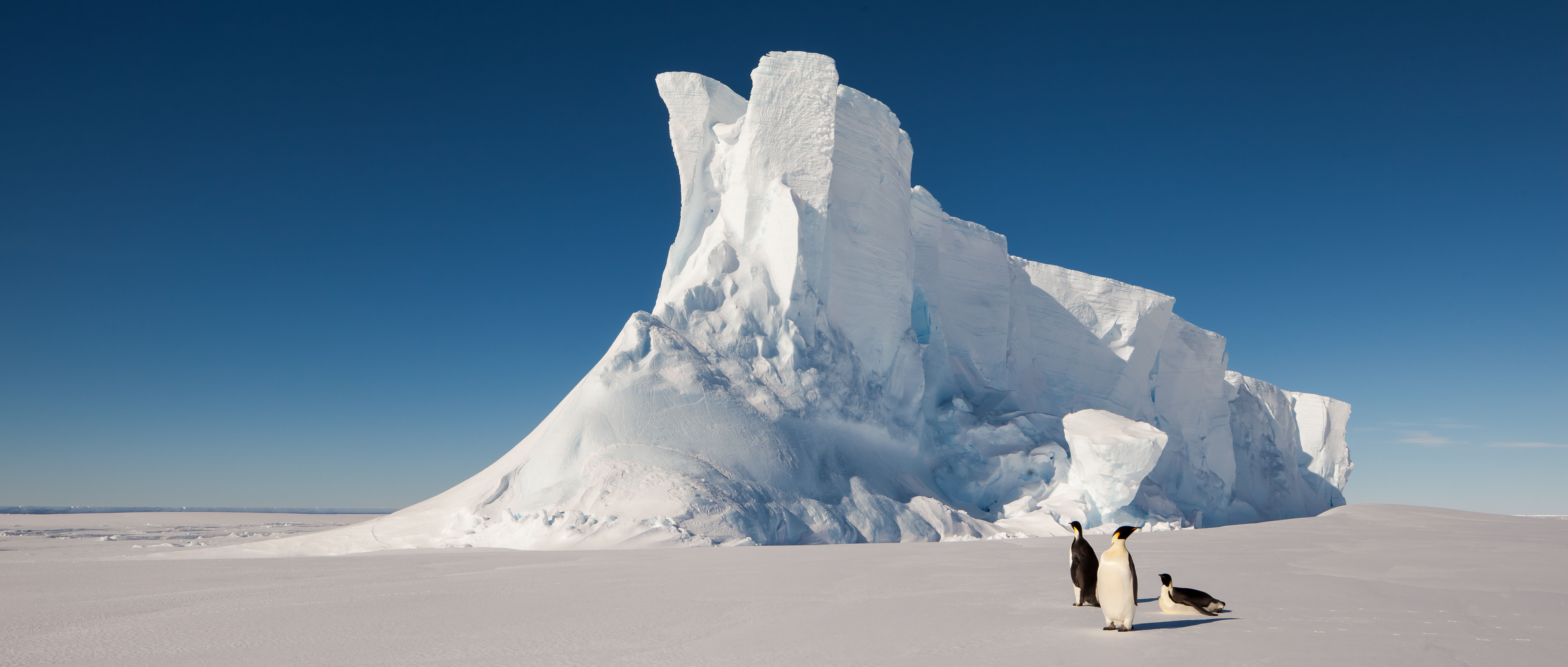
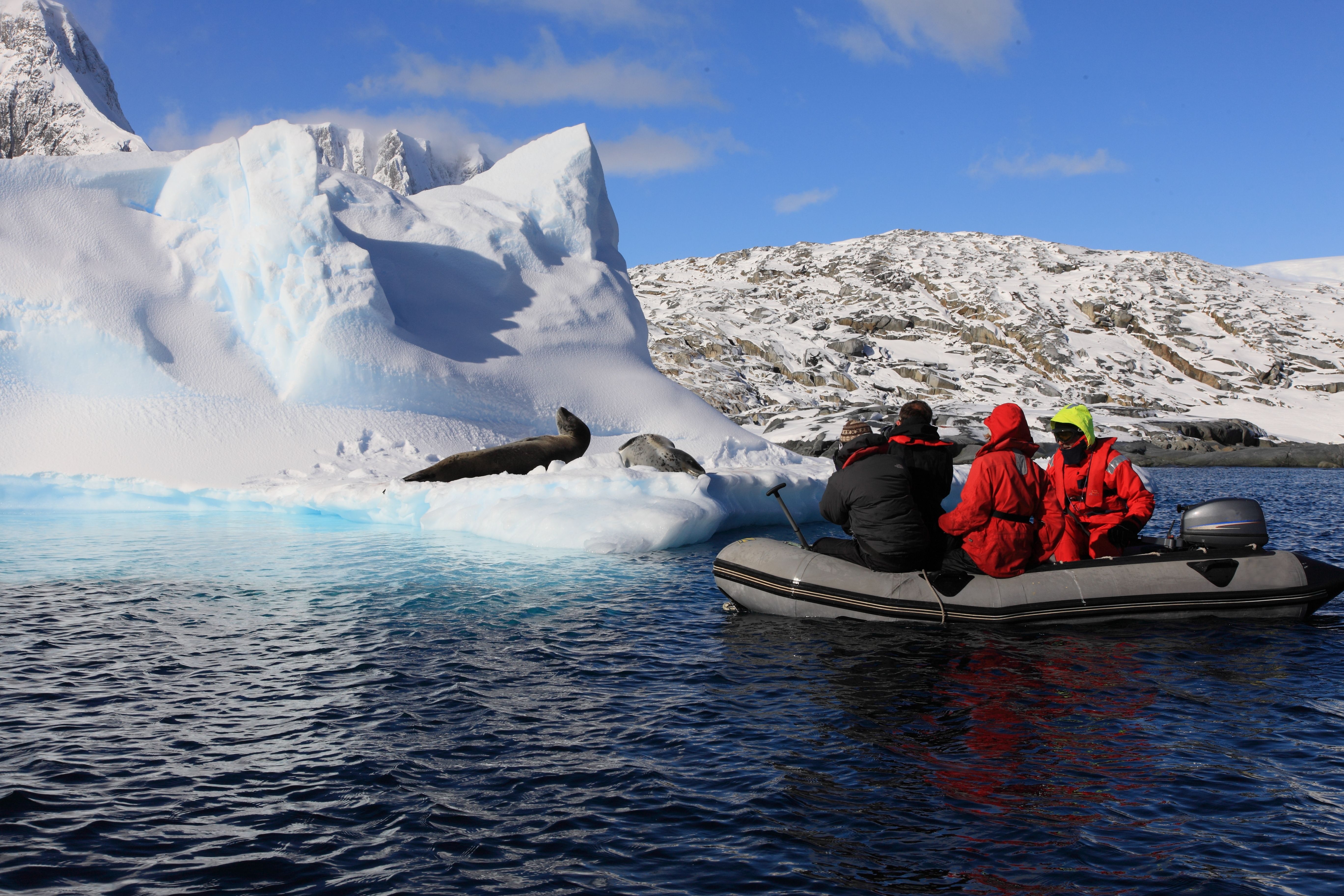
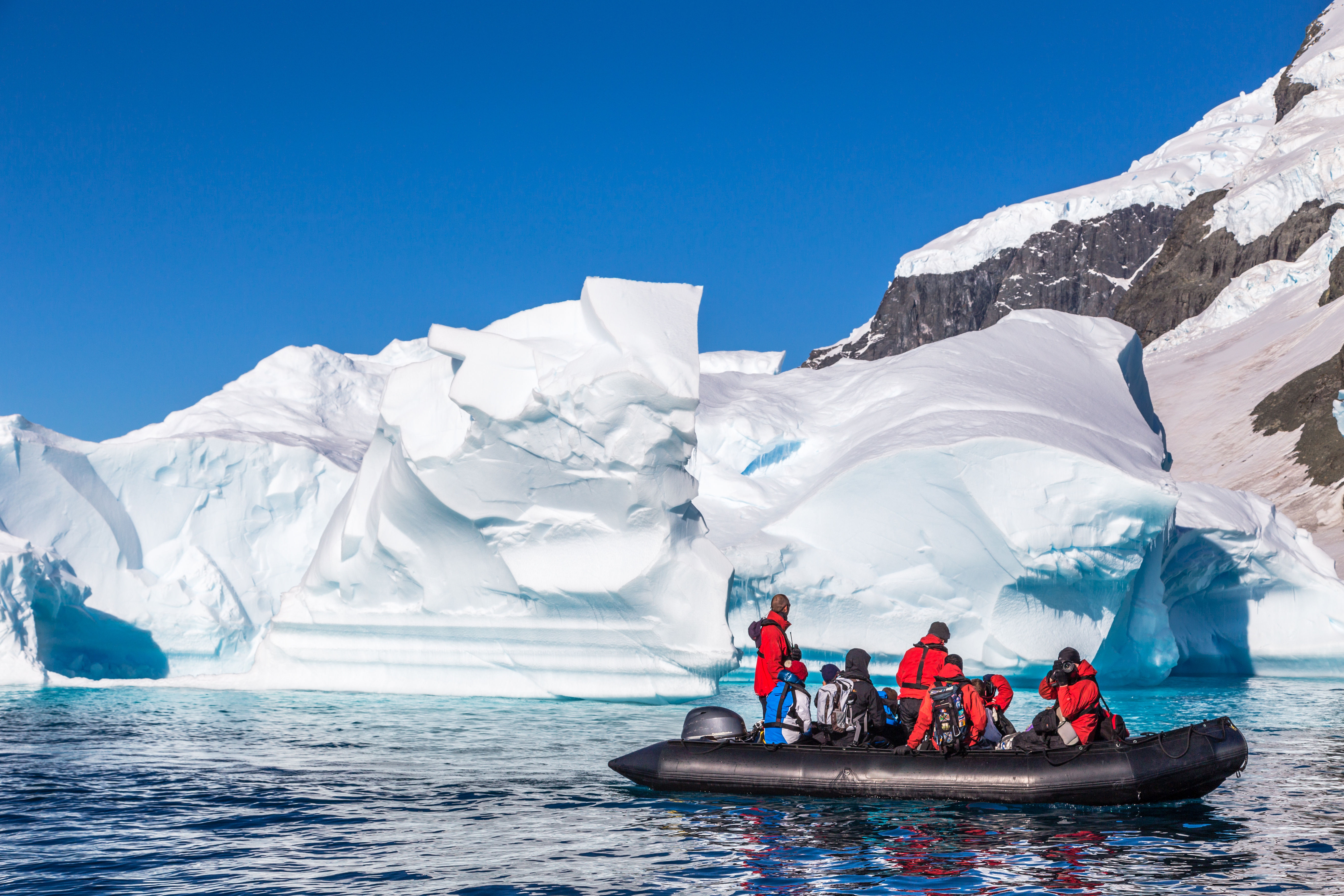
Here, icebergs are part of the daily rhythm of travel. Guests may wake to a bay filled with blue ice, watch penguins porpoising through brash ice from the deck, or board Zodiacs to move carefully between sculpted bergs and glacier fronts. In places such as the Gerlache Strait, Lemaire Channel, Paradise Bay, and the Weddell Sea, ice becomes architecture: cliffs, towers, corridors, and floating cathedrals shaped by cold and light.
A luxury Antarctica expedition may add another layer of comfort to this raw landscape, combining expert-led excursions with elegant cabins, fine dining, observation lounges, wellness spaces, and photography support. Yet the essence remains the same: the ship, the sea, the ice, and the sense of entering a place where nature still sets the terms.
Arctic Expedition Cruises
An Arctic cruise offers a stark, elemental encounter with ice, where glaciers, fjords, sea ice, and drifting bergs shape the journey. Svalbard, the remote Norwegian archipelago high above the Arctic Circle, is one of the classic regions for viewing icebergs and glaciers. Its largest island, Spitsbergen, is the main hub for many expedition cruises, with voyages often departing from Longyearbyen and exploring fjords such as Isfjorden, Kongsfjorden, and Liefdefjorden.
Further south, Norway’s Arctic coastline adds dramatic fjords, fishing towns, seabird cliffs, and long summer daylight to the polar experience, while Iceland often serves as a gateway to wider Arctic itineraries. Around Iceland, glaciers, volcanic landscapes, waterfalls, and black-sand shores create a striking contrast of fire and ice. Across the region, iceberg viewing depends on season, weather, sea ice, and glacier activity, making every Arctic voyage feel immediate, unpredictable, and alive.
Best Seasons and Times to See Icebergs
The best time to see icebergs depends on the polar region.
In Antarctica, the main expedition cruise season runs during the austral summer, generally from November to March. Early-season voyages can offer dramatic snow-covered scenery, heavy sea ice, and pristine white landscapes. December and January bring long daylight hours, active penguin colonies, and more accessible landing sites as the season opens. February and March often bring excellent whale-watching opportunities and increasingly open waterways, though weather and ice conditions remain changeable throughout the season.
Iceberg viewing can be exceptional across the Antarctic cruise season. The experience varies by itinerary, local conditions, and the daily movement of ice. No two sailings are alike. A channel open one week may be blocked the next; a quiet bay may fill overnight with bergs pushed in by wind and current.
The Arctic cruise season is typically concentrated between June and September. June and July bring long days and, in some regions, the midnight sun. August can offer rich photographic light, active wildlife, and easier navigation in many areas. September may bring cooler conditions, autumn colors on the tundra, and, on some late-season voyages, the chance to see the northern lights as darkness returns.

For photographers, the best time of day is often early morning or late evening, when low-angle light gives icebergs depth and shadow. In polar regions, however, the “right time” is often whenever the iceberg appears. Some of the most memorable sightings happen unexpectedly: during dinner, after a lecture, or in the stillness of a late-night watch from the deck.
Icebergs and Wildlife
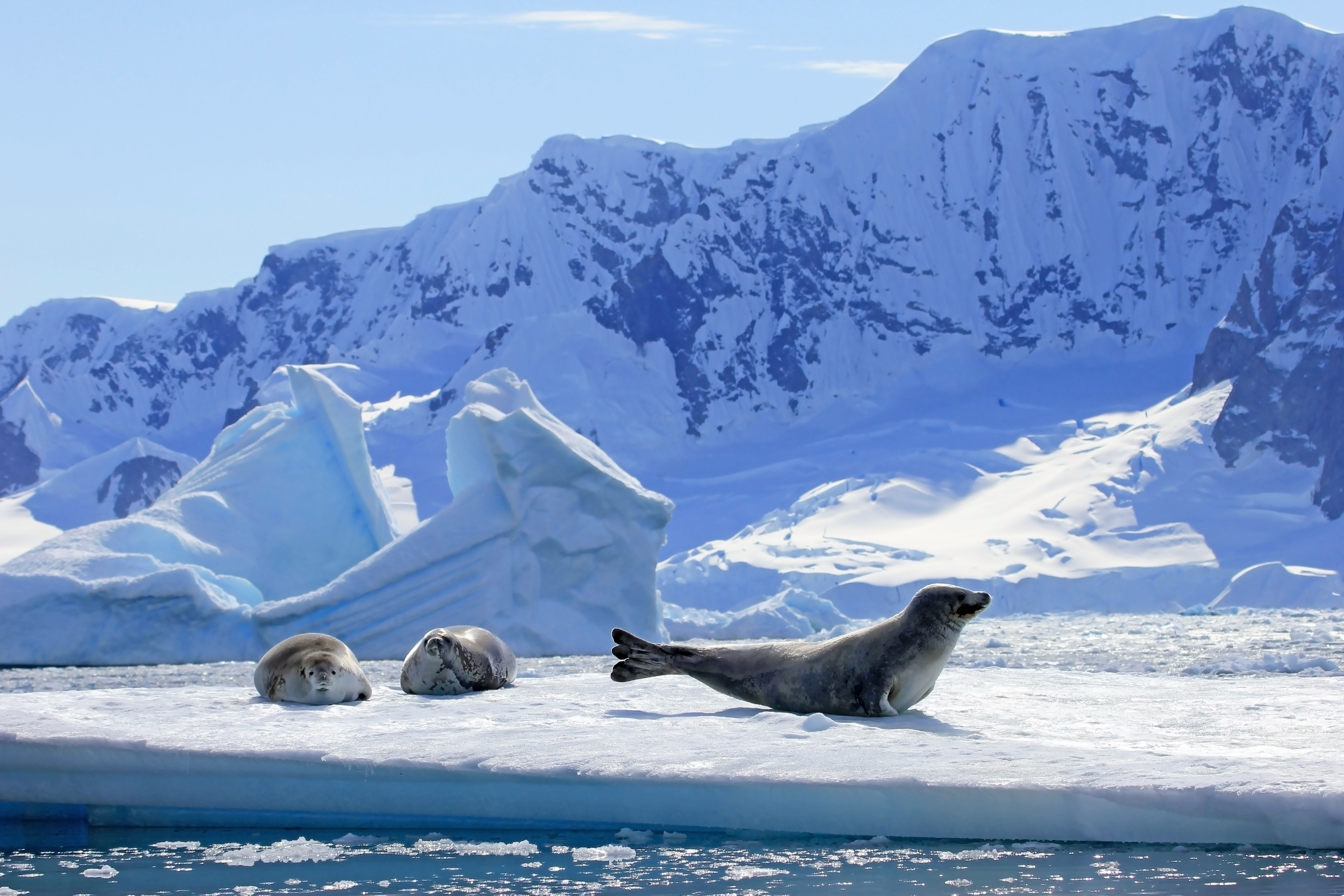
Icebergs may seem lifeless, but they often form part of a rich marine environment. Their submerged surfaces and surrounding meltwater can influence local conditions, attracting small organisms, fish, seabirds, seals, and whales. In Antarctica, icebergs often become the backdrop to penguins, crabeater seals, leopard seals, skuas, petrels, and humpback whales.
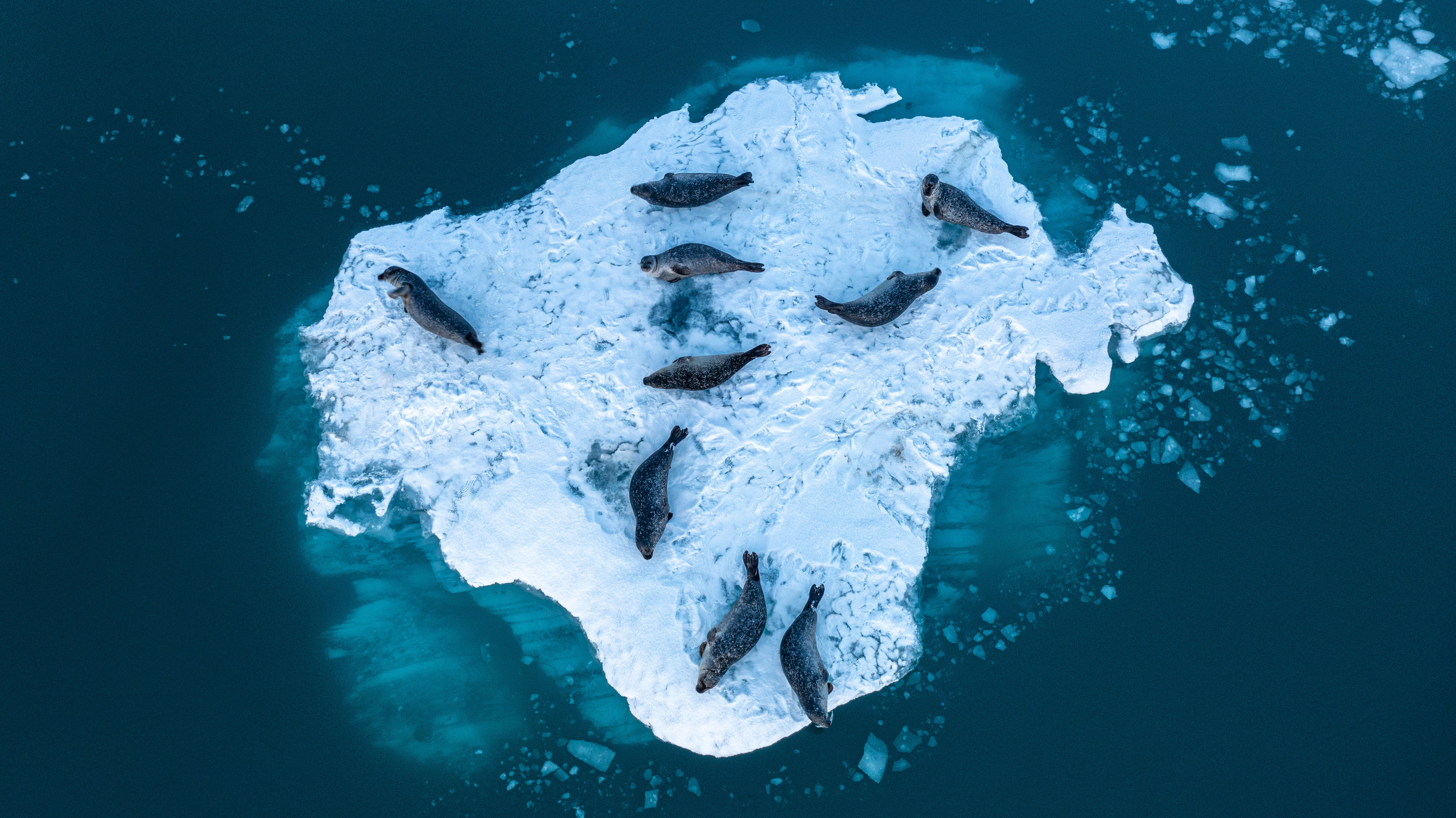
For travelers, this means iceberg viewing is rarely just about ice. A Zodiac cruise around a blue berg may also reveal a seal resting on a floe, birds wheeling overhead, or the sudden breath of a whale rising in the distance.
The Expedition Experience
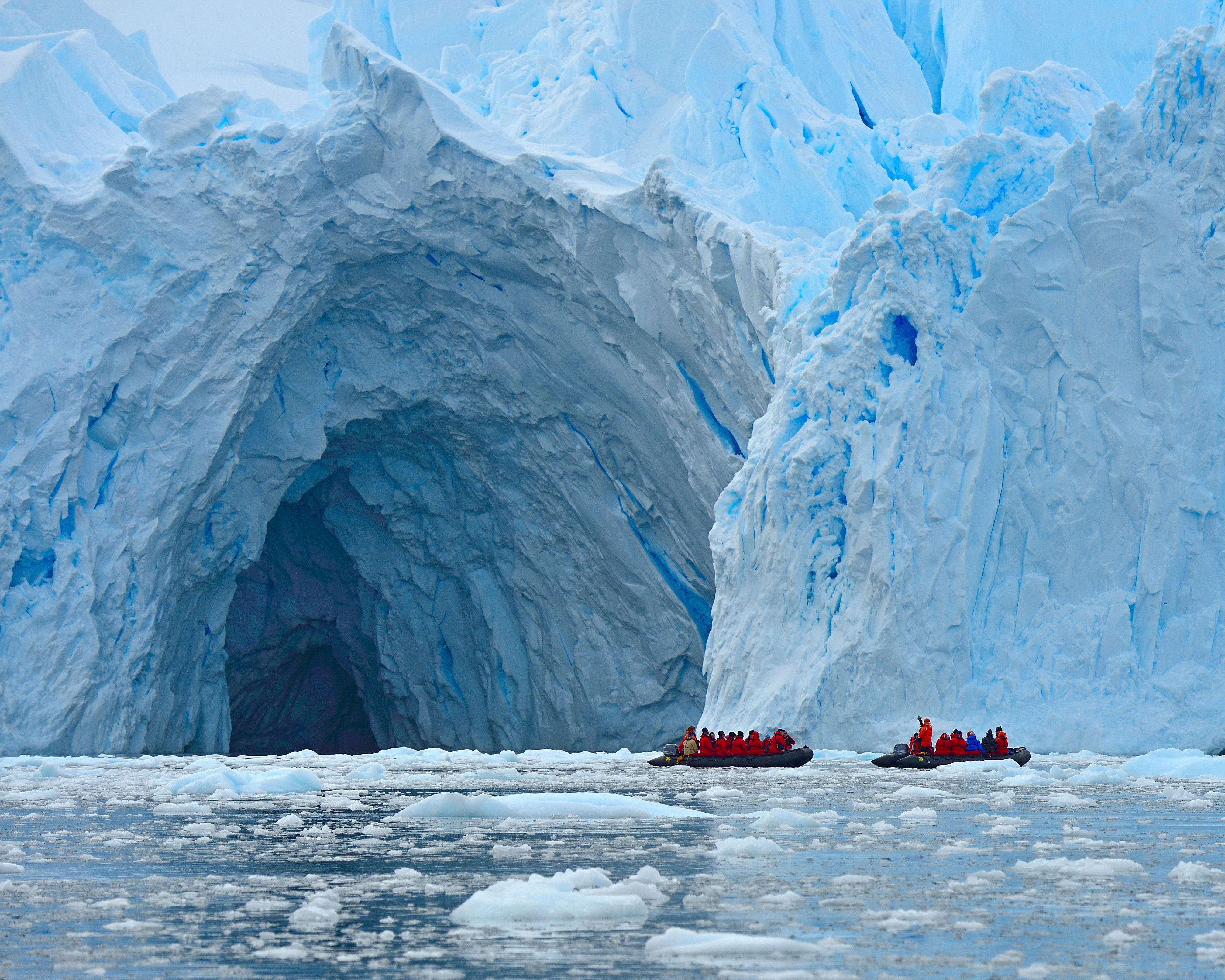
Small-ship expedition cruising brings passengers close to polar ice in ways that remain intimate, flexible, and weather-dependent. Unlike conventional cruising, an expedition cruise to Antarctica or the Arctic is shaped by daily conditions. Captains and expedition leaders adjust routes according to ice, wind, visibility, wildlife, and safety. This uncertainty is part of the appeal.
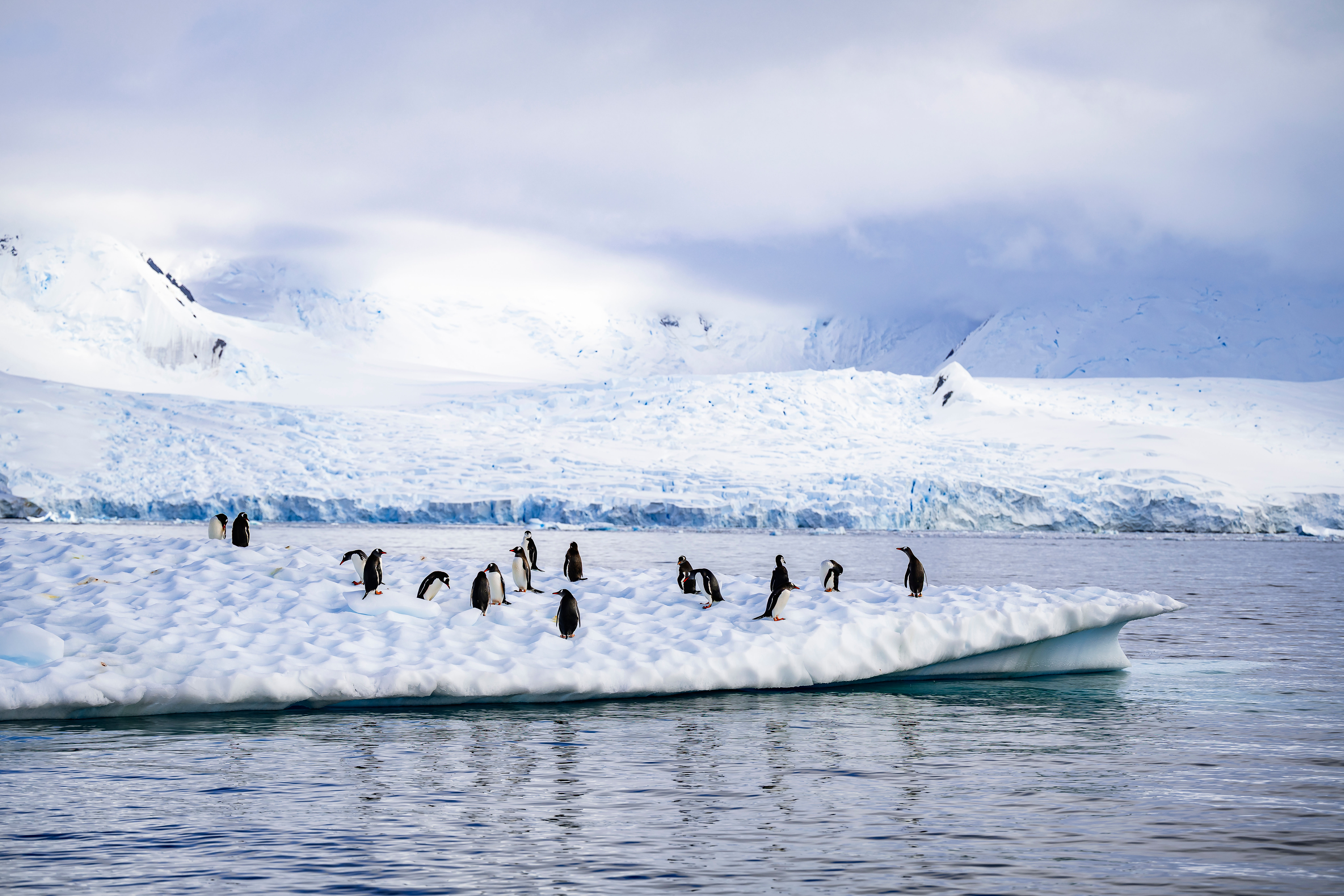
One day may bring a landing near a penguin colony; another may become an unplanned morning among icebergs too beautiful to leave. Lectures on glaciology, polar wildlife, exploration history, and climate science add context. Zodiac outings provide scale. From the ship’s outer decks, passengers begin to understand that an iceberg is not an object passing by, but a landscape with presence, age, and motion.
Responsible Iceberg Viewing and Safety
Icebergs command respect. They can fracture, roll, shed ice, or create waves. Their underwater shape is hidden, and their stability can change quickly as melting alters their balance. Responsible expedition operators keep safe distances, follow environmental guidelines, and rely on experienced crew, ice charts, weather forecasts, and careful judgment.
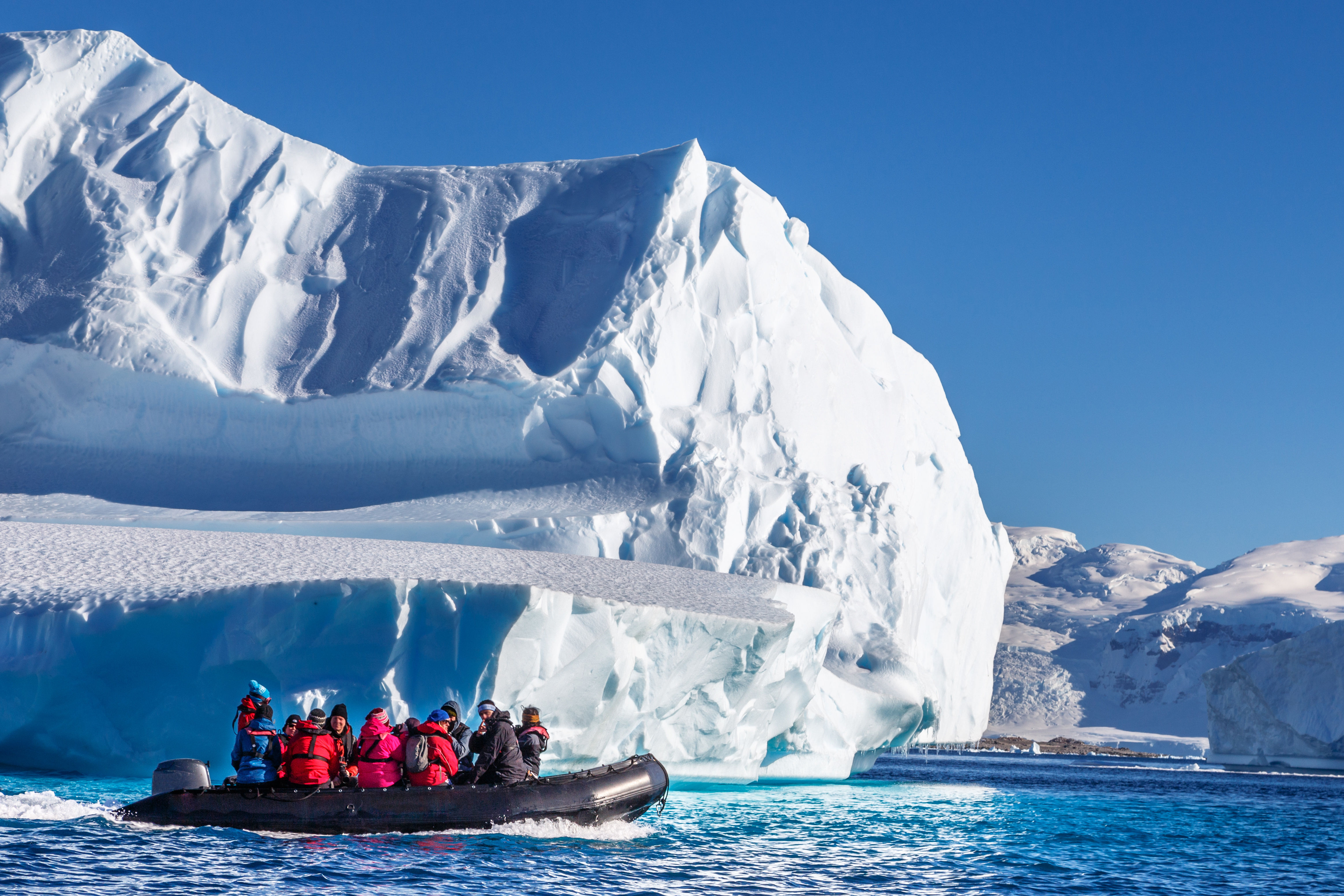
Passengers also play a role. During Zodiac cruises and deck viewing, it is important to listen to expedition staff, follow instructions, dress for cold and spray, and avoid treating polar ice as a backdrop for careless behavior. The best encounters are those that preserve both safety and wonder.
Icebergs Matter
Icebergs are beautiful, but they are also messengers. They carry freshwater from land to sea, influence local marine ecosystems, and remind us that the cryosphere is dynamic, fragile, and deeply connected to the planet’s climate systems. To see one up close is to witness a process far larger than travel: snowfall becoming a glacier, a glacier becoming an iceberg, an iceberg becoming the ocean.
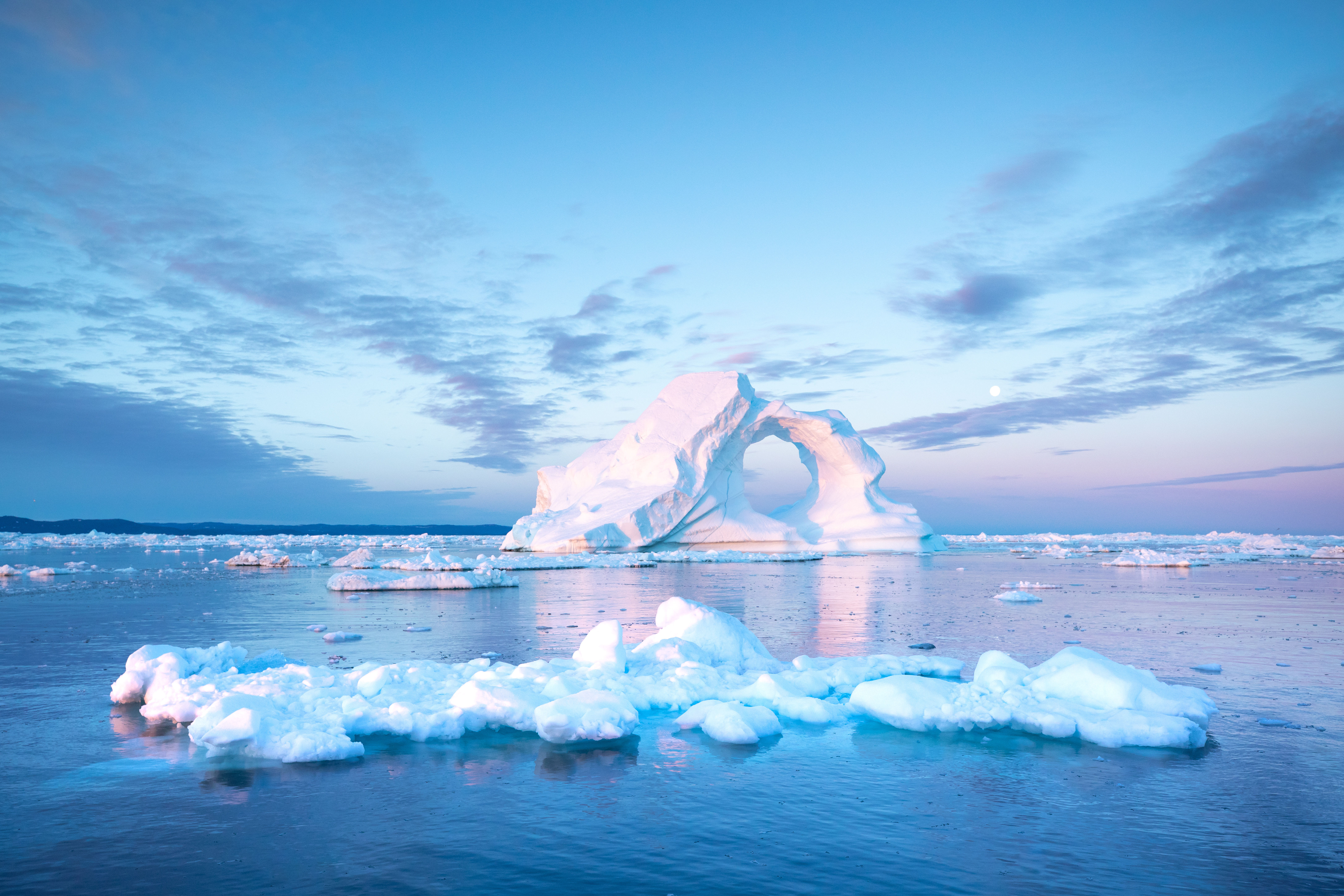
That is why icebergs remain among the defining sights of polar expedition cruising. Whether seen on an Antarctic expedition or an Arctic cruise, they leave travelers with a rare sense of scale. They are ancient and temporary, silent and unstable, monumental and vanishing.
To sail among icebergs is to travel through a landscape still being written by snow, sea, wind, and time.
This article was developed with AI assistance and reviewed and edited for accuracy, quality, and relevance.