Choosing Comfort, Pace, and the Right Vessel
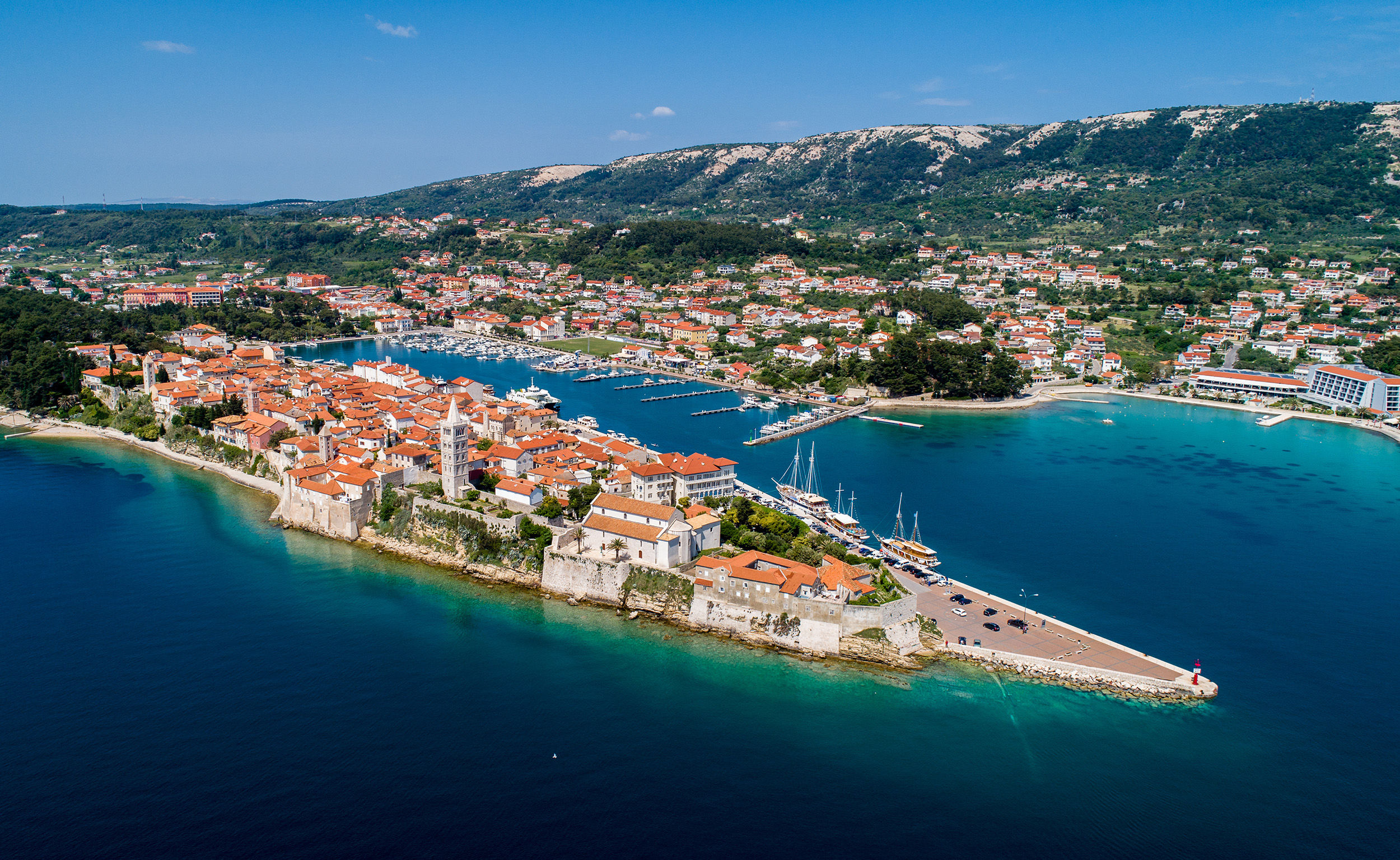
Croatia's Adriatic coast rewards slow travel. Hundreds of islands lie within a day's sailing of one another, historic harbor towns sit close enough to explore on foot from the quay, and the sea itself is comparatively sheltered. For many older travelers, small ship cruises in Croatia offer one of the more comfortable ways to see this coastline: luggage is unpacked once, each new town is reached at the ship's own pace, and itineraries rarely demand pre-dawn starts or long coach transfers. But "small ship" covers a wide range of vessels here, from timber-hulled cabin cruisers to boutique motor yachts, and they are not equally suited to a traveler who wants easier stairs or a more predictable boarding process. This guide looks at how to choose a route, a season, and a vessel that fit a more relaxed pace.
Small ships suit a relaxed pace of travel
Smaller vessels change the rhythm of a cruise. Because they carry fewer passengers, they can often dock closer to town centers than larger ships, which typically anchor offshore and rely on shuttle transfers. That usually means a shorter walk from the cabin to the cobblestones and less time spent queuing to disembark.
The Adriatic itself helps. Compared with open-ocean routes, sailing between the Dalmatian and Istrian islands generally involves shorter open-water crossings and calmer conditions through the summer months, though conditions can still vary with the bura and jugo winds that affect the coast.

Onboard, small ships tend to have a more personal atmosphere: a fixed crew, a single dining setting, and itineraries with enough flexibility to skip a stop or add a rest day. For travelers who prefer a familiar routine over a packed schedule, that flexibility often matters more than the size of the ship.
Not every small ship is senior-friendly
Traditional Dalmatian cabin cruisers and their limits
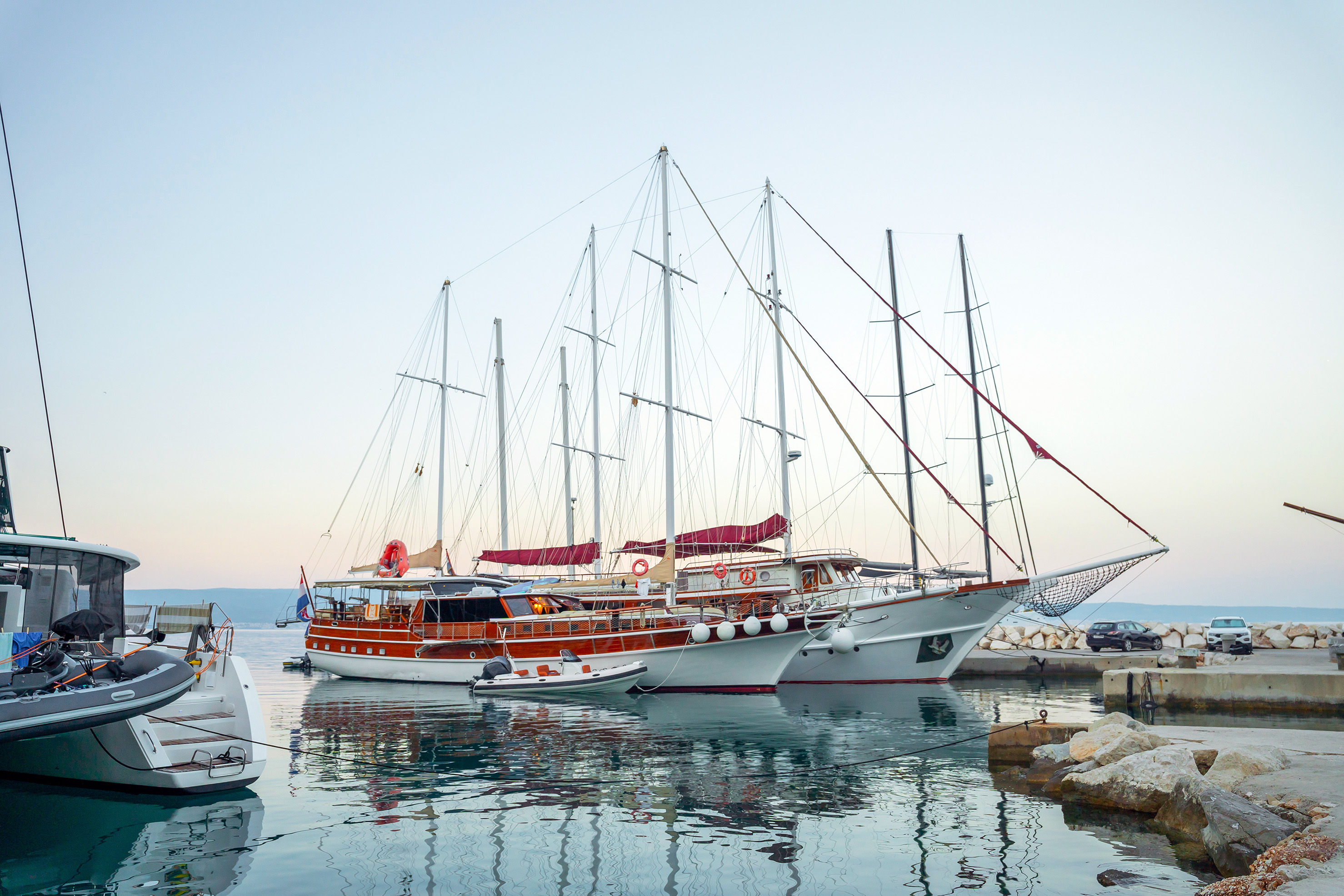
Much of Croatia's small-ship fleet consists of traditional Dalmatian cabin cruisers, sometimes marketed as gulets or motor sailers. These wooden-hulled ships typically carry twenty to forty passengers and have real charm, but many were built with narrow companionways, steep interior stairways, and no elevators between decks. Boarding can involve stepping across gaps between vessels moored side by side or transferring by tender to ships anchored offshore.
For a fit and mobile traveler, these details are minor inconveniences. For someone with reduced mobility, a hip or knee replacement, or unsteady footing, these can make daily life abroad genuinely difficult. Anyone considering this style of ship should ask directly about stair counts, handrails, and how passengers reach the ship at each stop before booking.
Boutique motor yachts and modern coastal ships
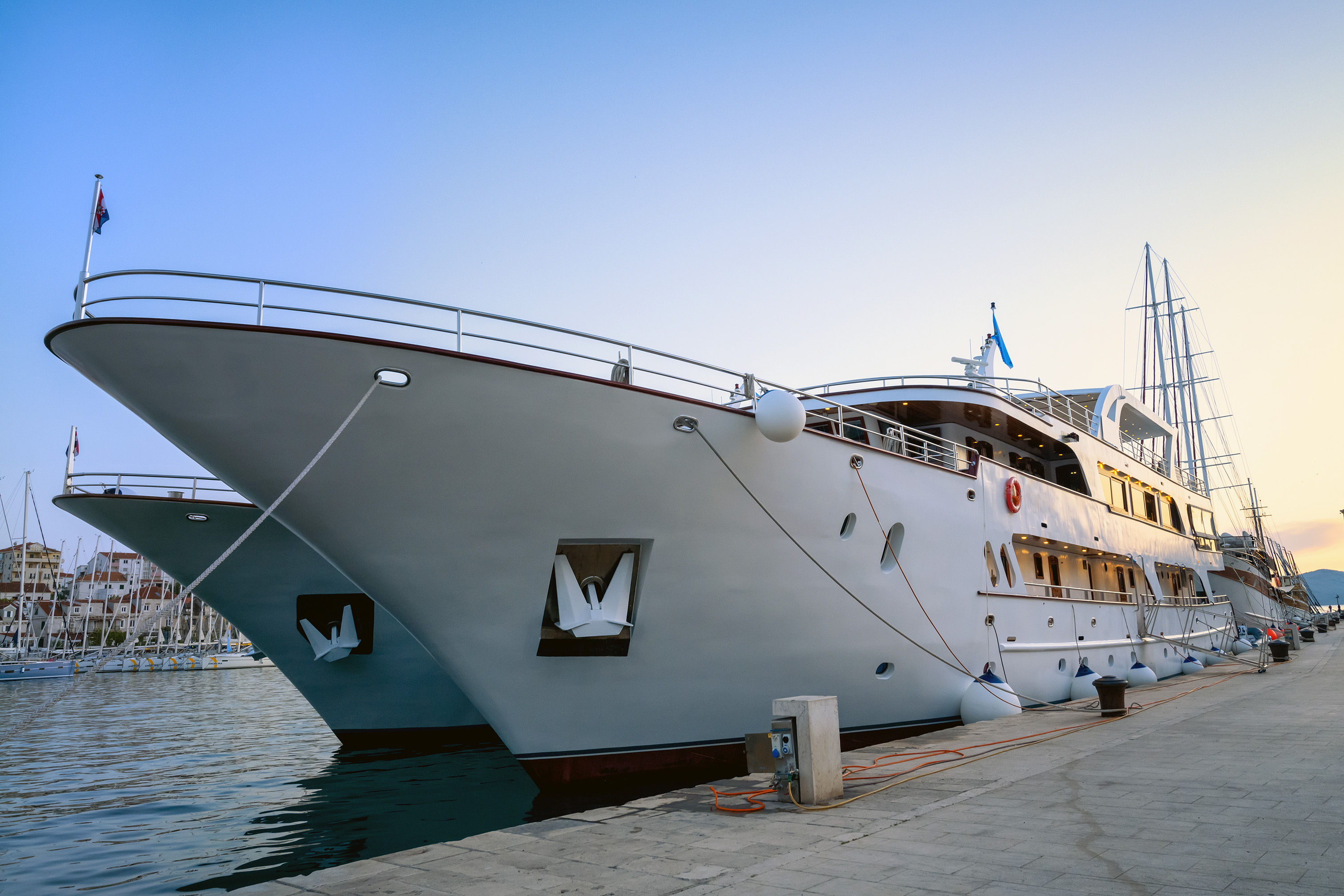
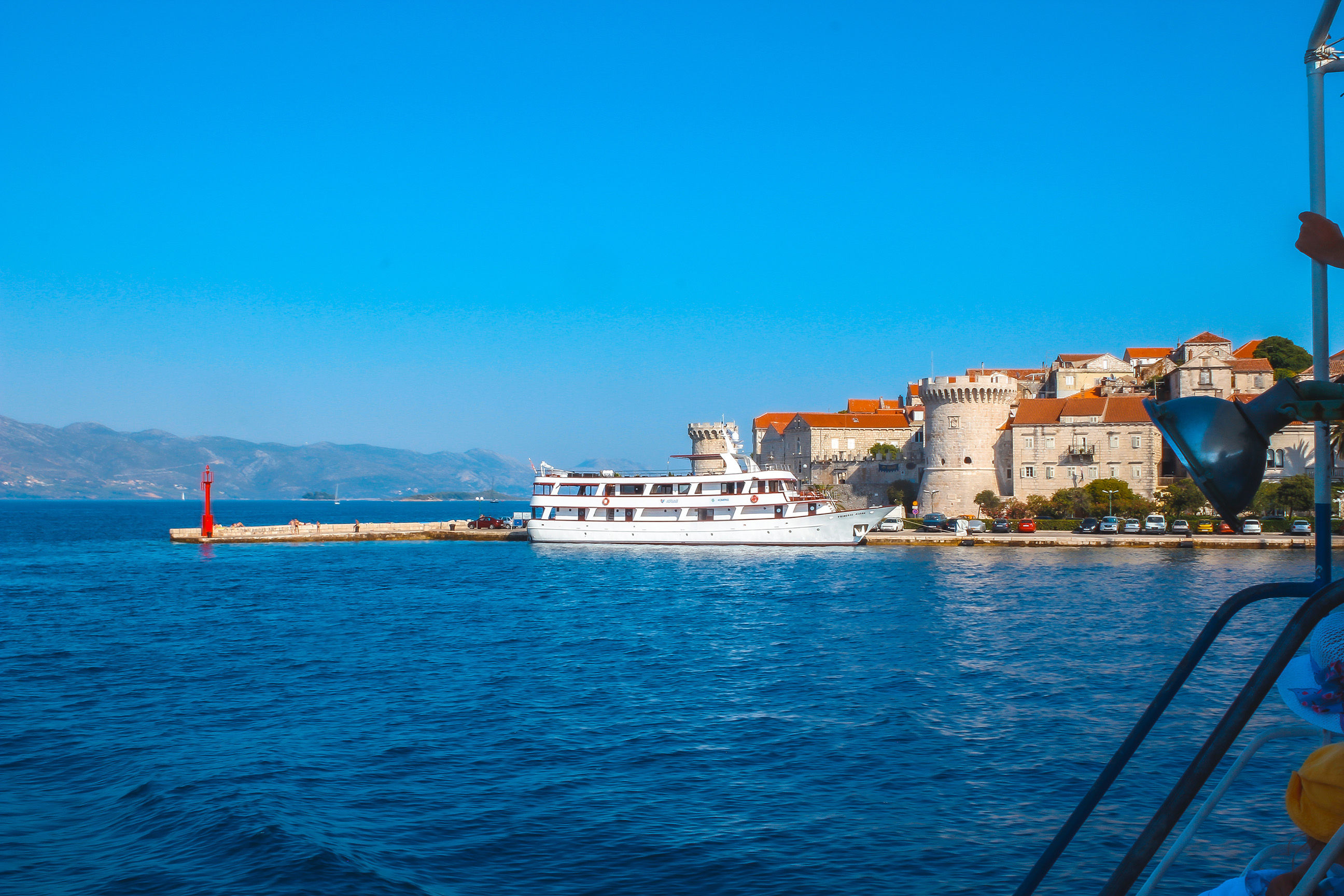
A separate category of small ships operating in Croatia centers on more conventional cruise lines: boutique motor yachts and small coastal cruise ships carrying roughly 50 to 100 passengers, as well as larger boutique vessels used on longer Adriatic itineraries. These ships more often include internal stairwells with handrails, sometimes a lift between decks, and gangway access directly onto a quay rather than a tender. Public areas tend to be more spacious, and cabins are more likely to sit on a single accessible deck.
They are not automatically wheelchair-accessible, and standards vary by operator and ship, but they generally offer an easier day-to-day experience for travelers who want fewer physical demands.
Questions worth asking before booking

- How many stairs separate the cabin deck from the dining and sun deck, and are there handrails
- Whether the ship boards directly from a quay or requires a tender at some stops
- Whether a lift or ramp is available between any decks
- What the cabin size and door width are, particularly for anyone using a cane or walker
- How the crew supports guests with limited mobility during boarding and shore excursions
Regions and routes suited to a comfortable itinerary
The classic Dalmatian route
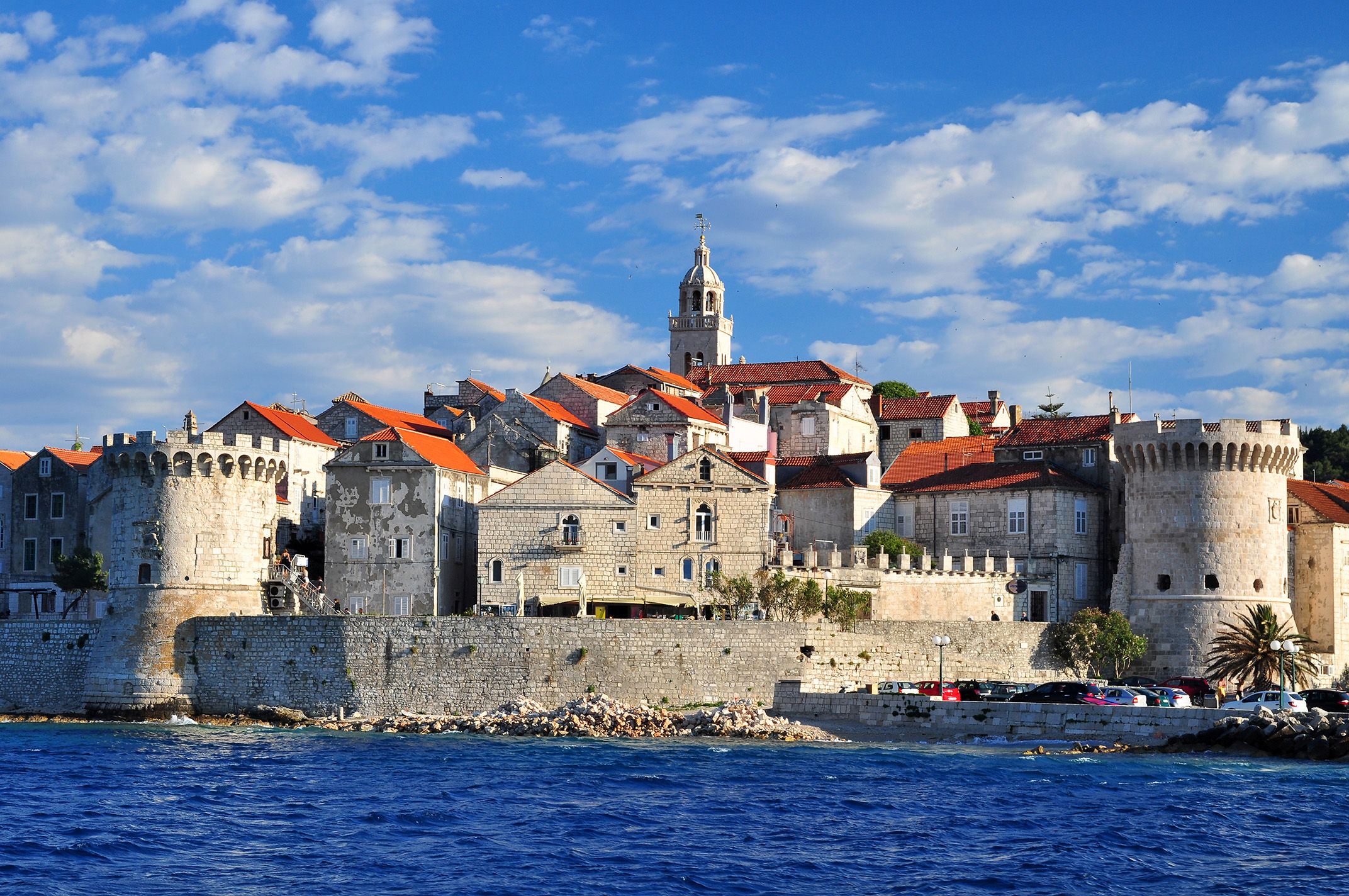
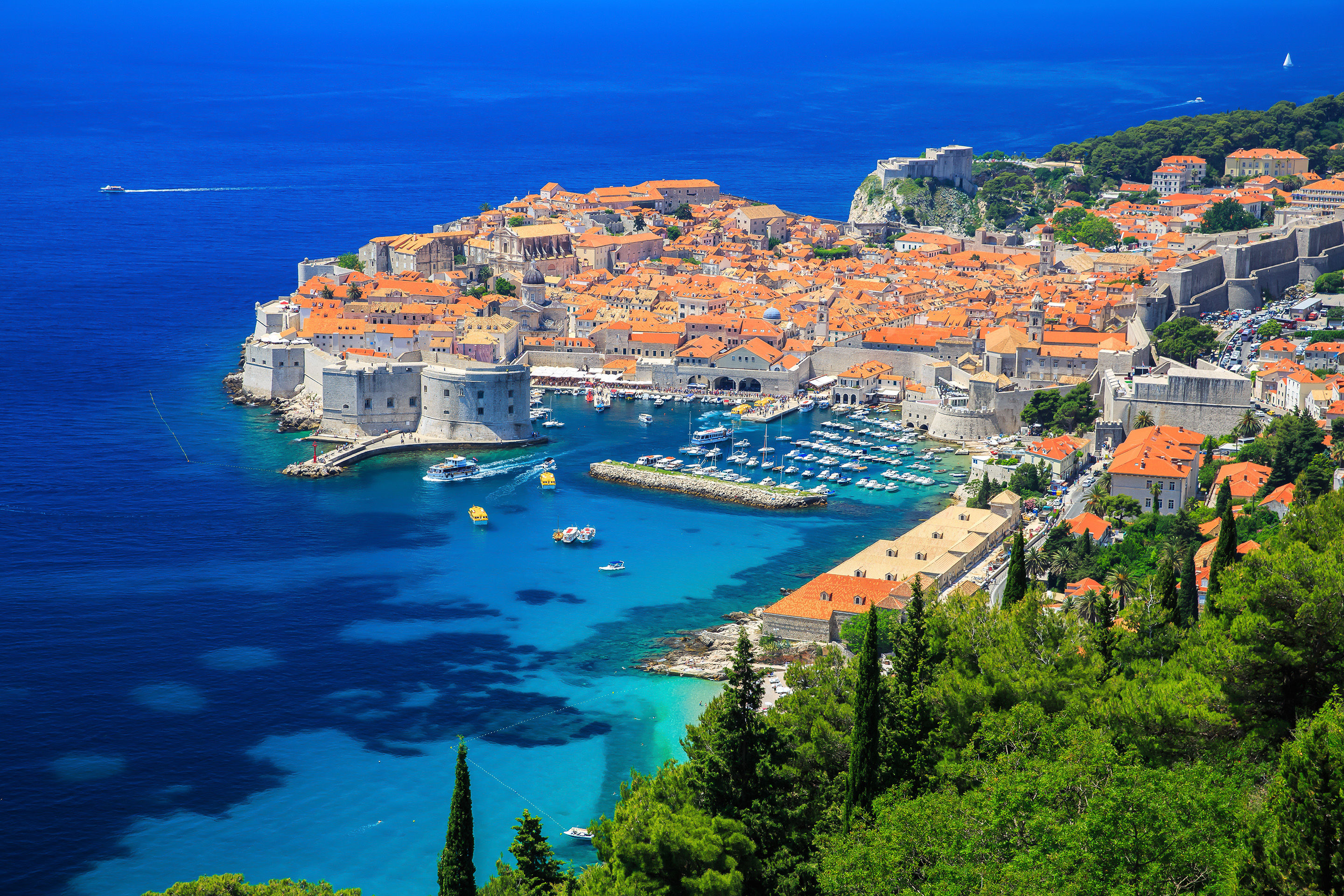
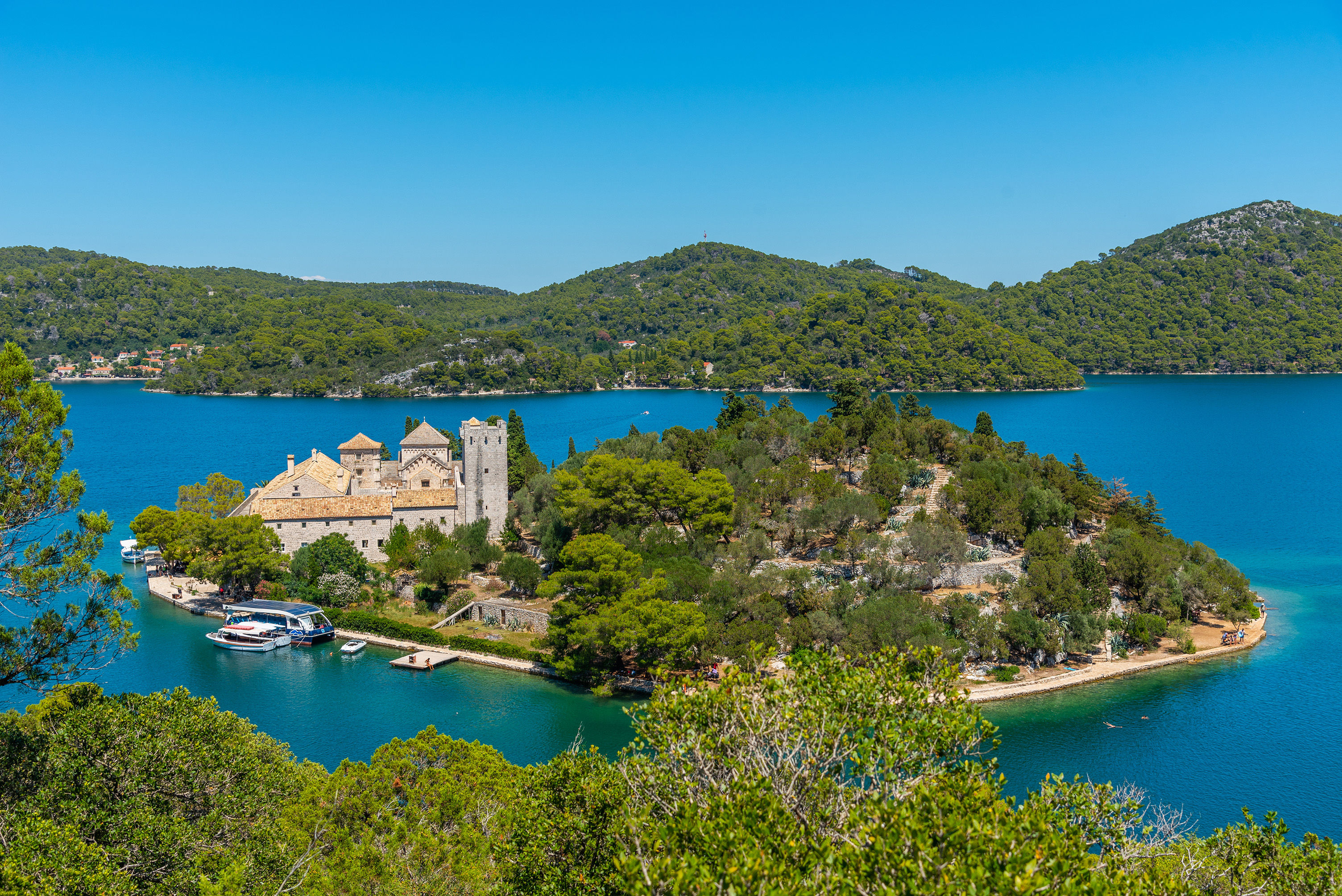
Most small-ship itineraries in Croatia run along the central Dalmatian coast, typically linking Split and Dubrovnik with several island stops in between. Common ports of call include Hvar, known for its Venetian-era old town and lavender fields inland; Korčula, with a compact walled center associated with the explorer Marco Polo; Mljet, much of which forms a national park built around two saltwater lakes; and Vis, a quieter island reached by a longer open-water crossing.
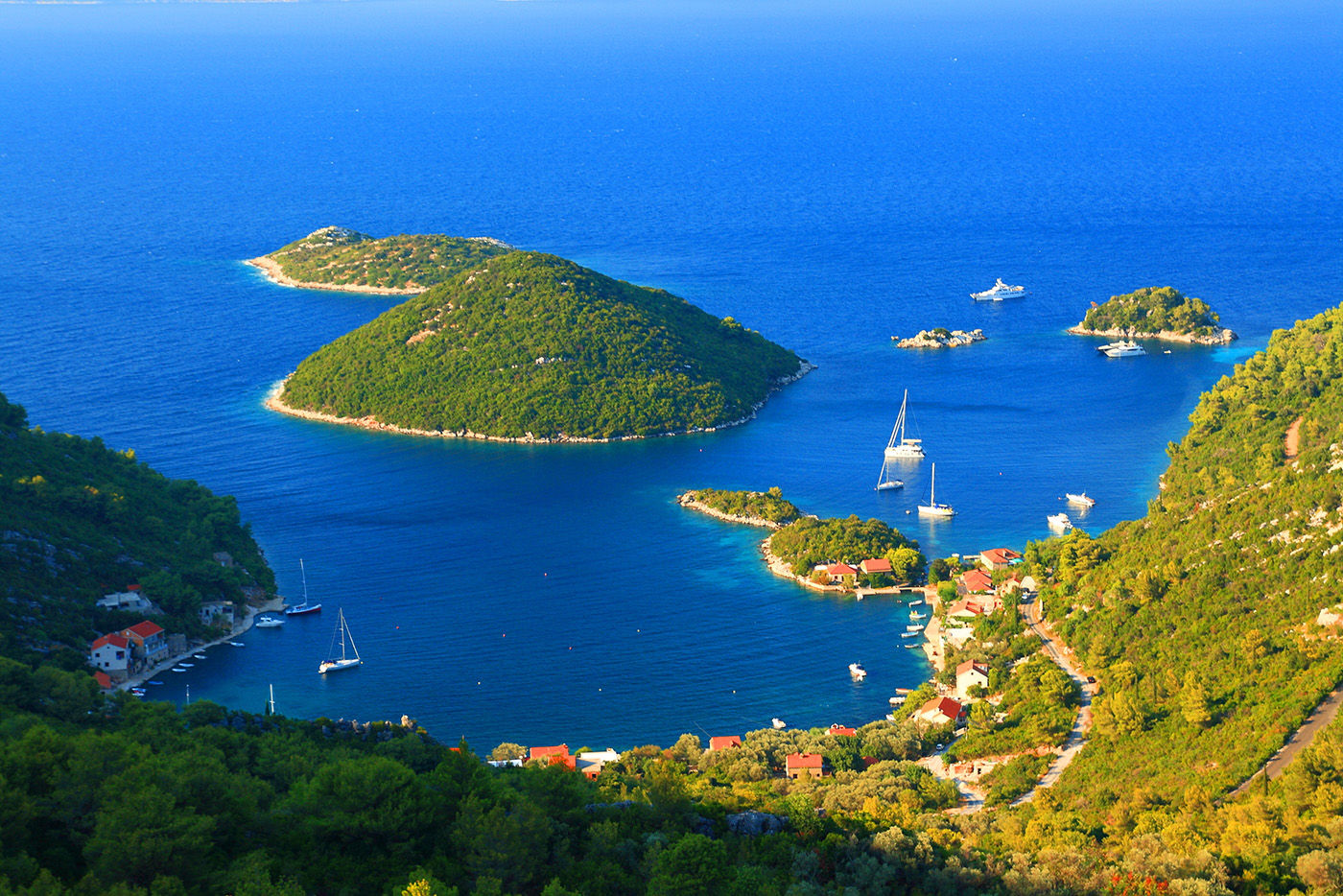
These routes usually run over six to nine days, with one or two islands visited daily and a night or two in Split or Dubrovnik at either end. Walking distances in town centers are generally short, though many Dalmatian old towns are built on hillsides with uneven stone paving, so a level of comfortable walking is still useful even on a slow-paced route.
The quieter northern Adriatic
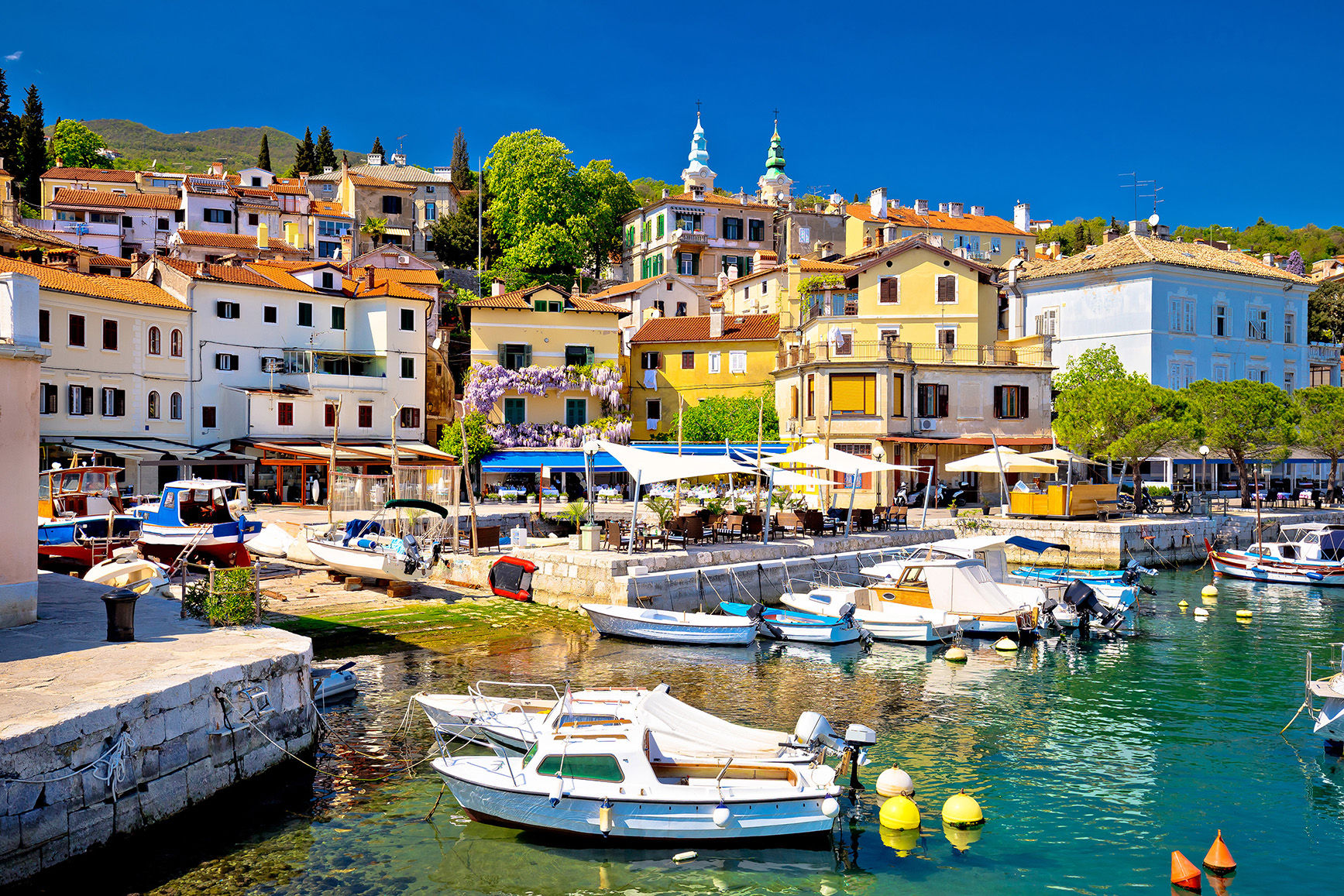
Fewer small ships operate north of Split, which can make this route appealing to travelers who prefer smaller crowds. Itineraries here typically connect Rijeka or Opatija, an elegant nineteenth-century resort town on the Kvarner Gulf, with the islands of Cres and Lošinj, as well as the Istrian coast around Poreč and Rovinj.
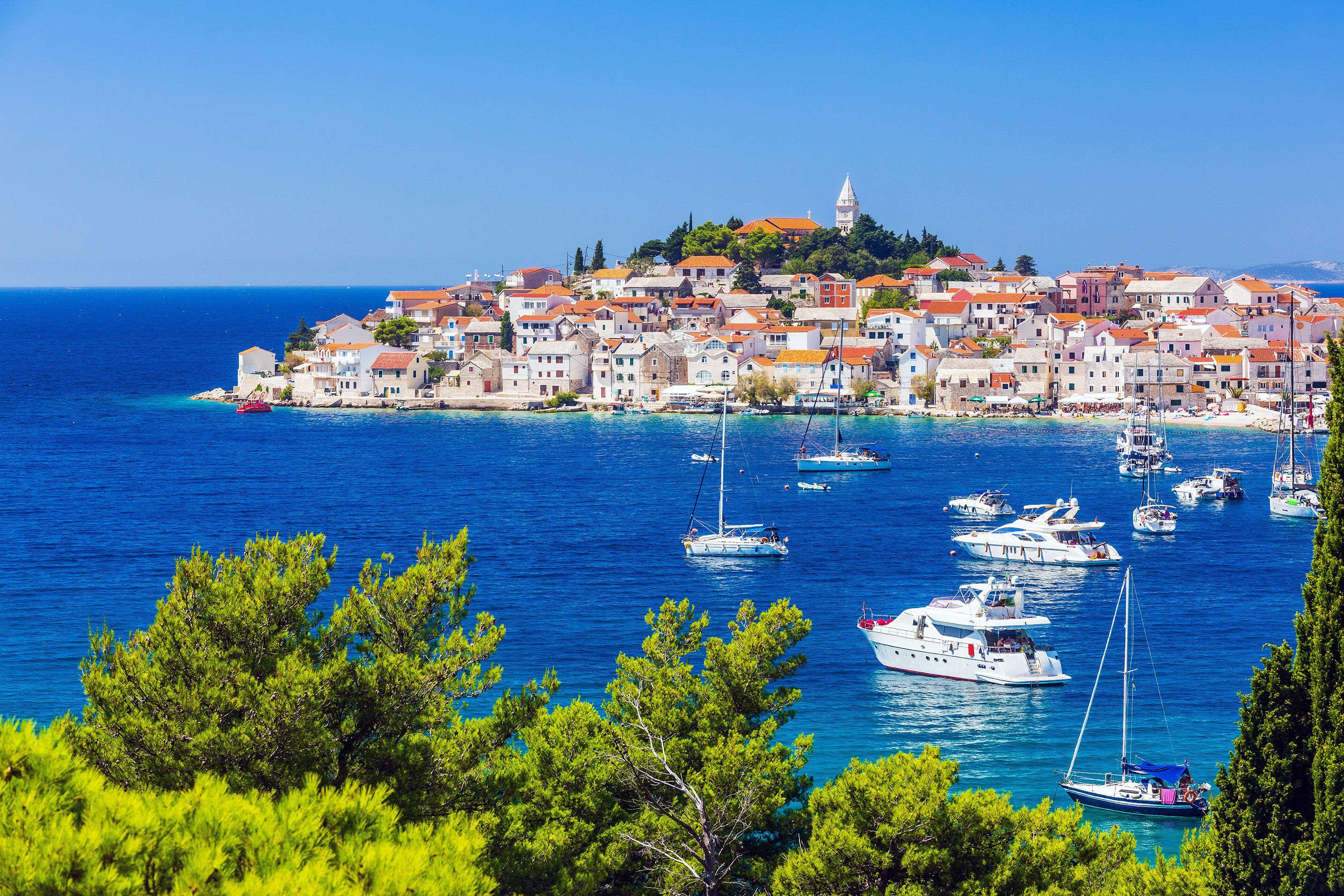
The pace tends to be gentler still, with shorter crossings between stops and a coastline shaped more by pine forest and limestone cliff than by the busier tourist circuit further south. This region generally sees fewer of the summer crowds that build up in Dubrovnik and Hvar in July and August, which can make daily excursions less rushed for travelers who prefer to move at their own speed.
Travel for the mildest conditions
Croatia's cruising season generally runs from May through October, with the calmest and most comfortable conditions typically found in the shoulder months. May, June, and September tend to bring milder temperatures than the height of summer, when daytime heat in Dalmatia can climb into the low thirties Celsius (high eighties Fahrenheit), and popular towns become considerably busier.
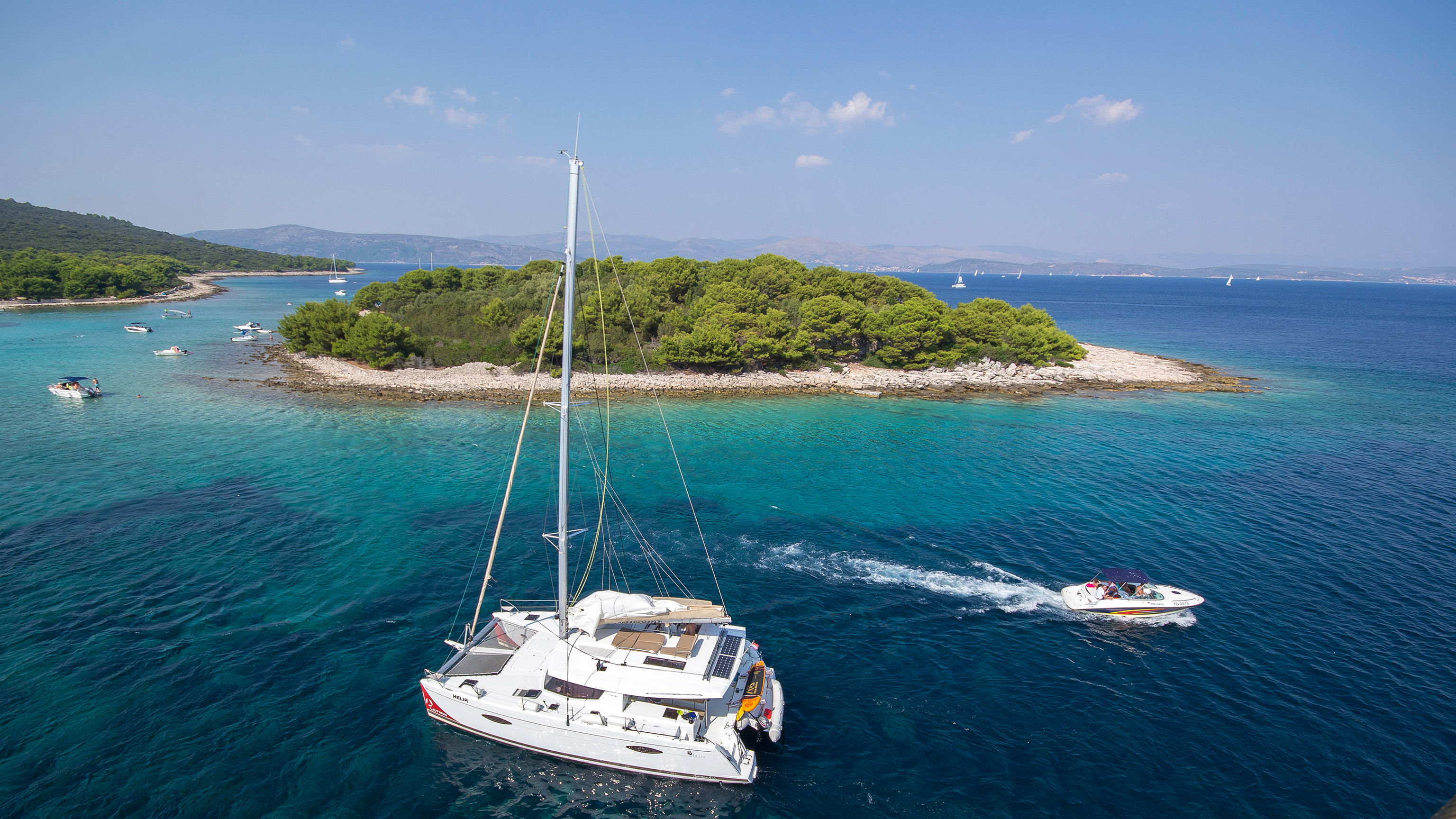
Shoulder-season sailing generally means shorter queues at major sights, easier restaurant bookings, and more comfortable conditions for walking tours in towns with limited shade. July and August remain the most reliable months for warm sea temperatures and long daylight hours, but the combination of heat and crowds can be more demanding for travelers who prefer a slower, cooler pace.
As with any coastal itinerary, weather and sea conditions vary from year to year, and operators may adjust routes in response to wind or swell.
Matching itinerary length to comfort
Small-ship itineraries in Croatia generally fall into three lengths. Short cruises of three to five days cover a handful of nearby islands and suit travelers who want a taster of the coast or are combining the cruise with a longer land stay. Six- to nine-day itineraries are the most common option and typically follow the classic Split-to-Dubrovnik route, with a comfortable balance of sailing days, port stops and free time. Cruises of ten days or longer usually combine the Dalmatian coast with Istria or destinations further afield, such as Montenegro or Slovenia's short coastline.
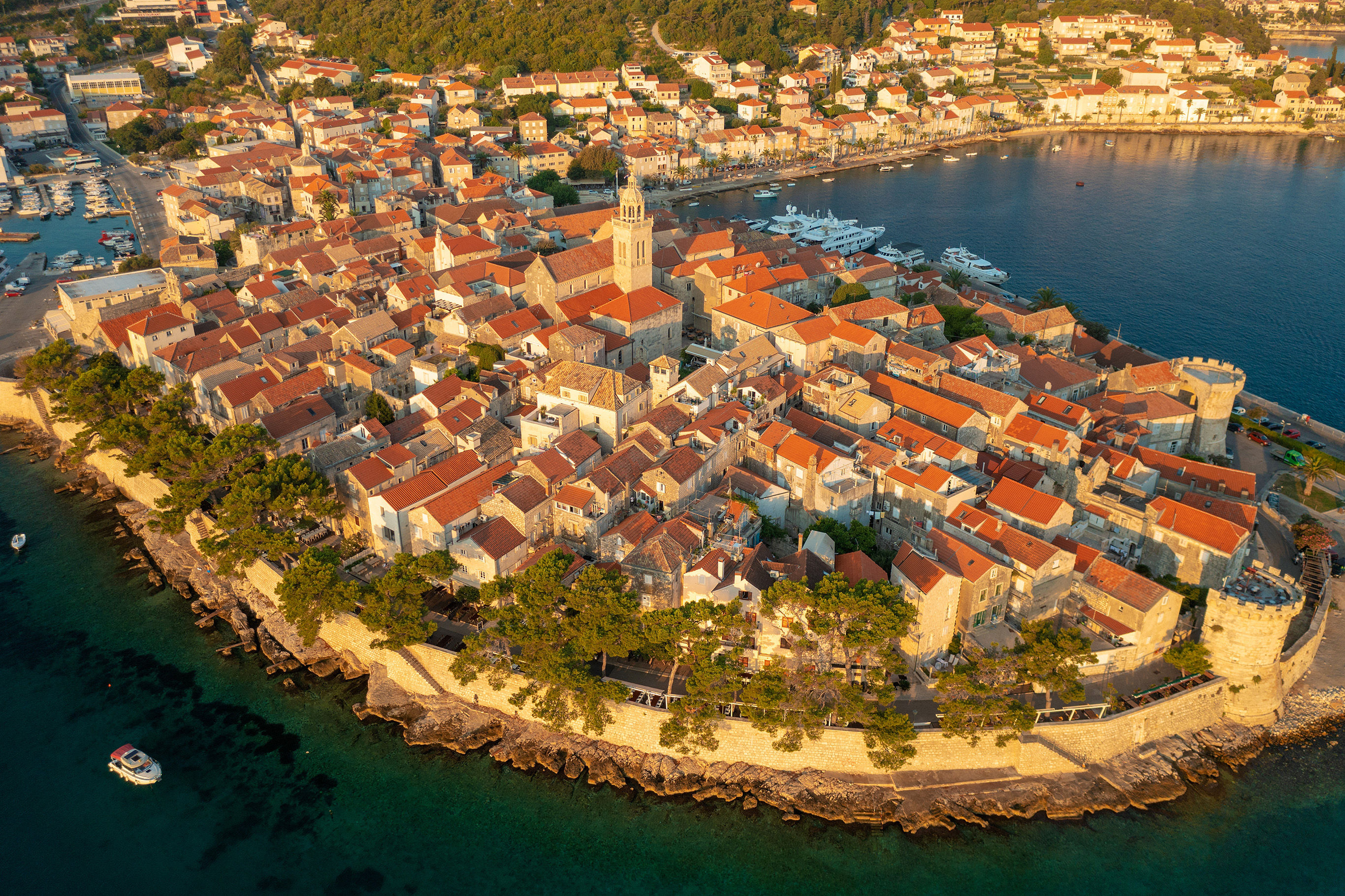
For a first small-ship cruise, or for travelers prioritizing comfort over covering as many islands as possible, a six- to nine-day itinerary with one built-in rest day is often the more manageable choice.
Practical planning for cabins and shore time
Cabin and deck-level considerations
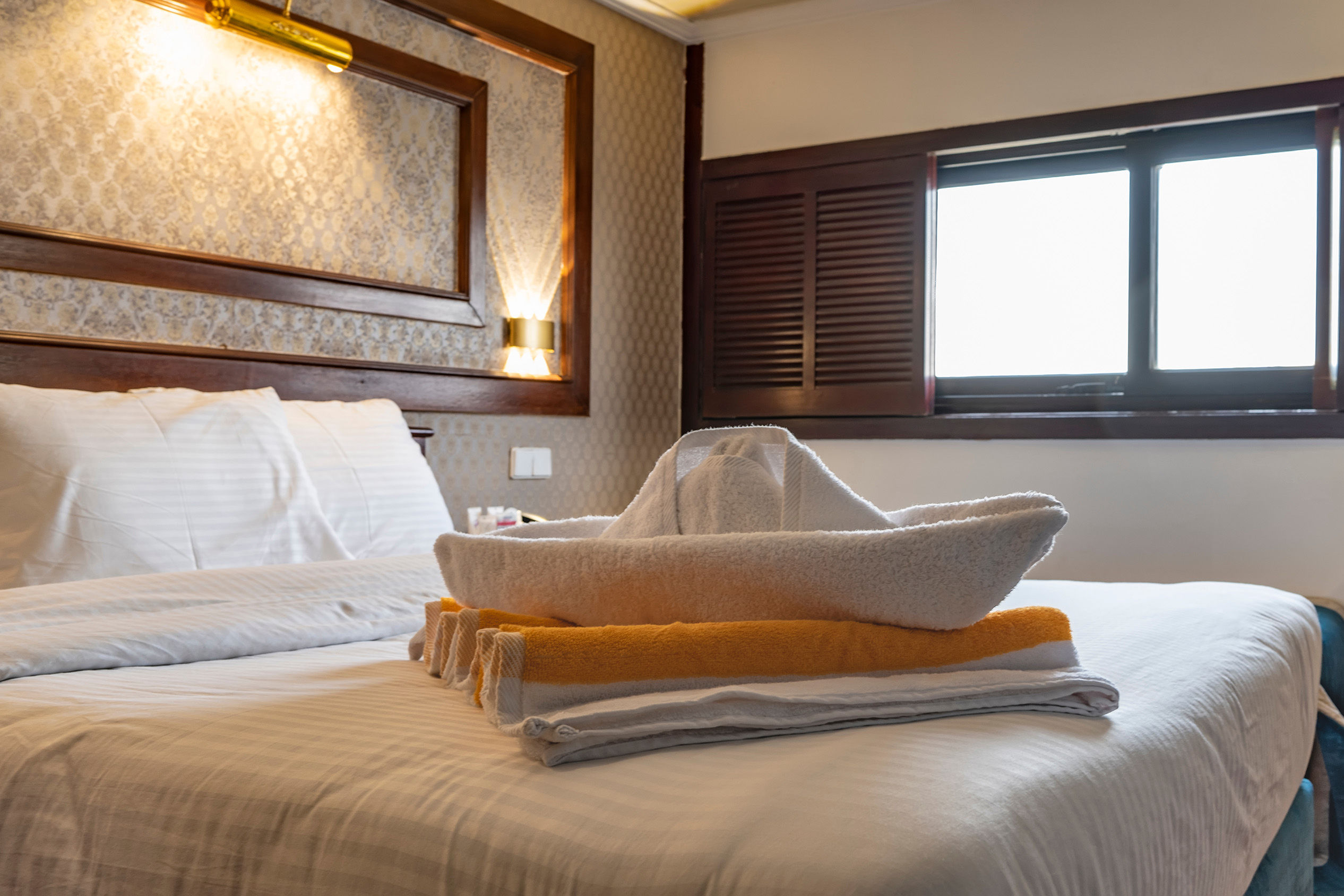
Cabin location matters more on a small ship than a large one, since fewer stairs usually separate any given cabin from the main deck. Where possible, it is worth requesting a cabin on the same level as, or close to, the main saloon and dining area, and confirming cabin dimensions in advance, since older or smaller vessels sometimes have compact bathrooms and narrow doorways. Twin beds that can be separated, rather than a fixed double, are also worth confirming if that matters for comfort.
Walking demands ashore
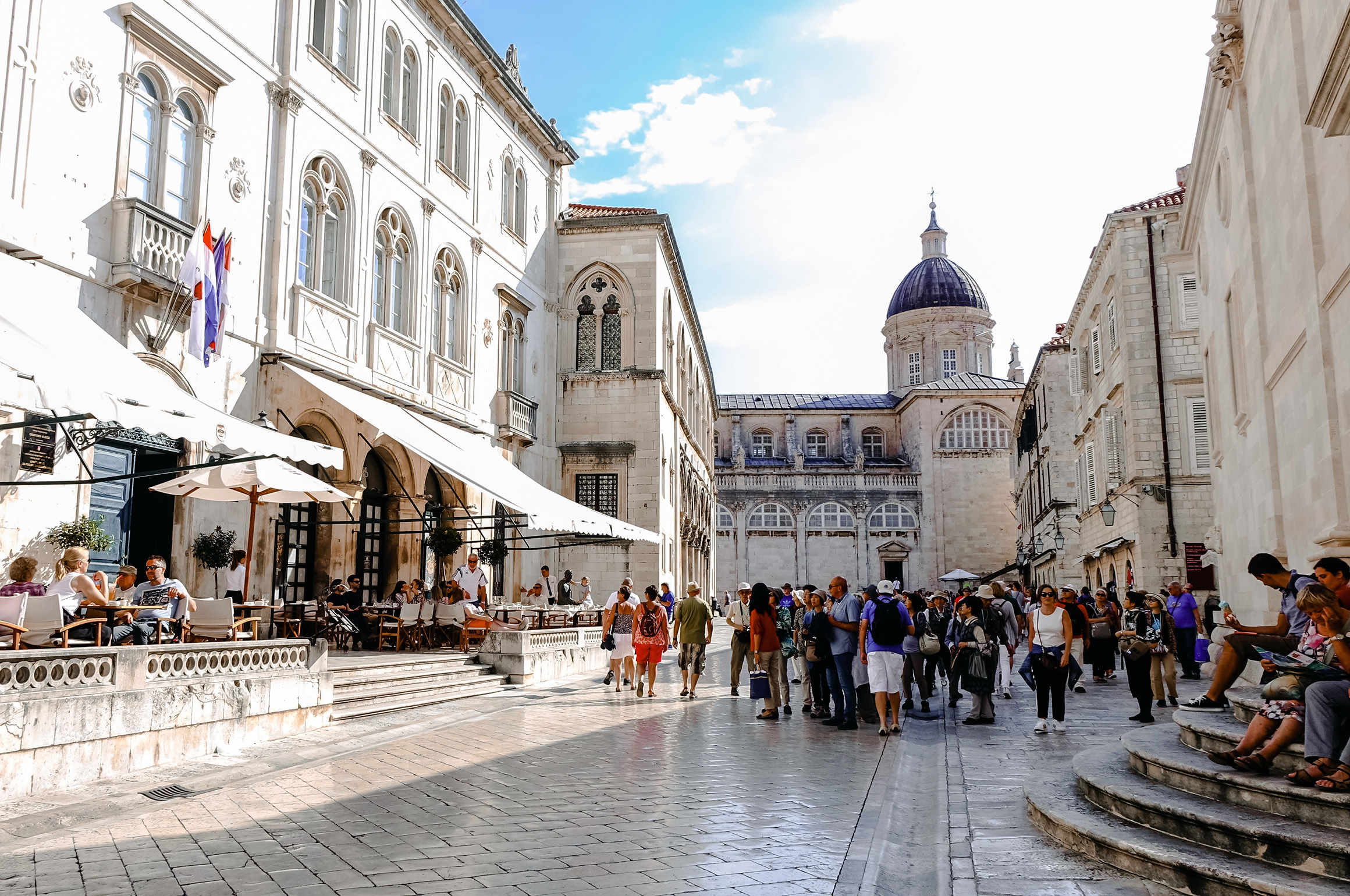
Most Dalmatian and Istrian old towns predate cars and were built on defensible, often hilly, terrain, which means shore excursions typically involve walking on smooth but uneven stone paving, occasional steps, and some gradient. Dubrovnik's city walls, for example, involve a sustained climb and are not suited to every walking ability, though the old town itself can be explored at street level. Hvar's fortress and Korčula's old town both include some incline.
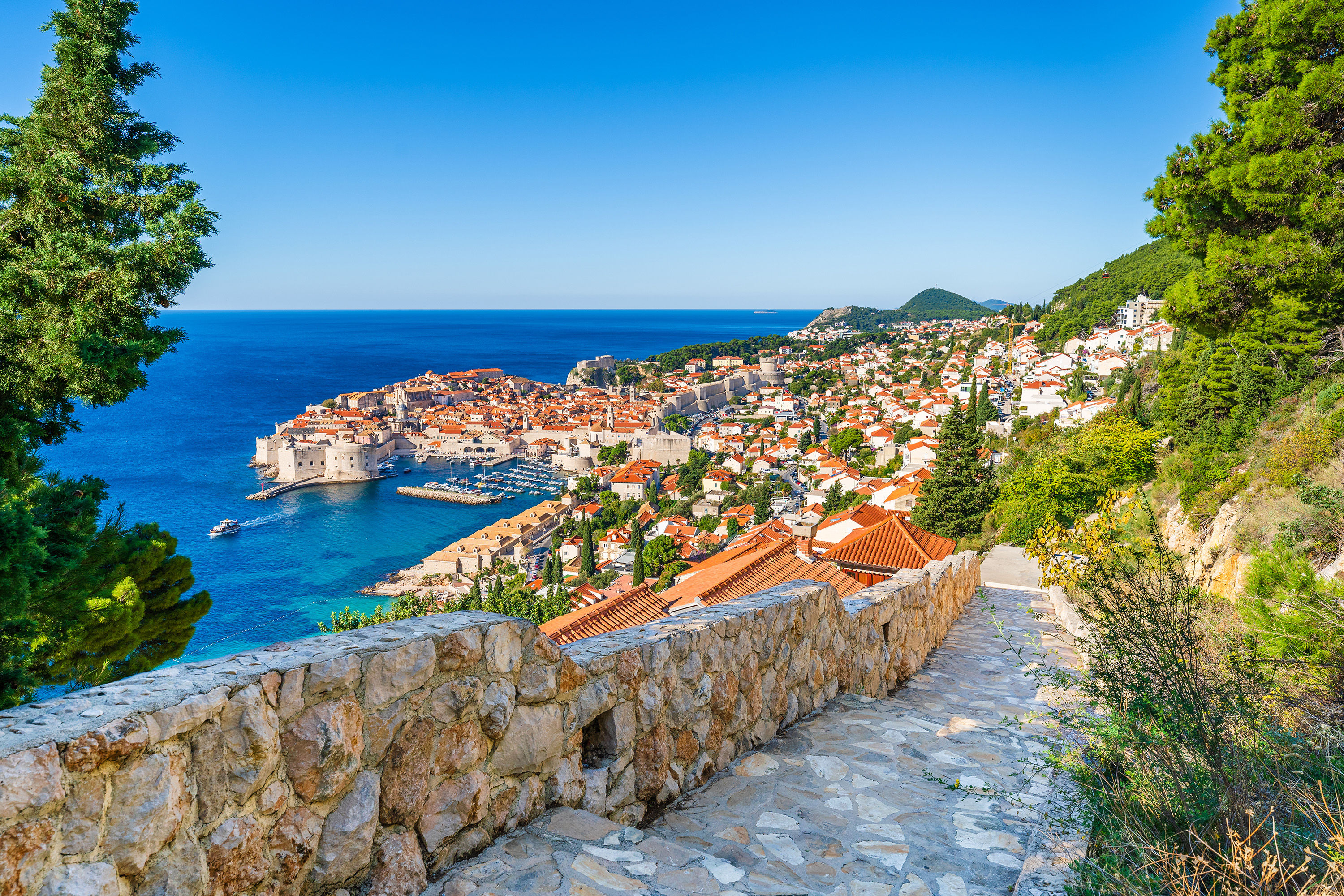
Comfortable, supportive footwear matters more than pace here. Many small-ship operators build free time into port stops rather than offering fixed group tours, allowing travelers to choose how far to walk and where to rest along the way.
Health, comfort, and safety guidance
Summer heat is one of the more practical concerns for older travelers cruising the Adriatic. Carrying water, wearing a wide-brimmed hat, and pacing during shore excursions during the cooler parts of the morning or late afternoon can make a meaningful difference, particularly in July and August.
Travel insurance that covers pre-existing conditions and medical evacuation is worth arranging for any cruise, and it is sensible to disclose relevant mobility or health needs to the operator before departure rather than on arrival, so that cabin allocation and shore support can be adjusted where possible. Croatia has a generally well-developed medical infrastructure along the coast, with hospitals in Split, Dubrovnik, Zadar, and Rijeka, though smaller islands may have only a local clinic.
As with any cruise, conditions at sea and ashore can vary, and no operator can guarantee calm seas, mild weather, or step-free access at every stop. Confirming specific accessibility details directly with the operator remains the most reliable approach.
Choosing an itinerary that fits your needs
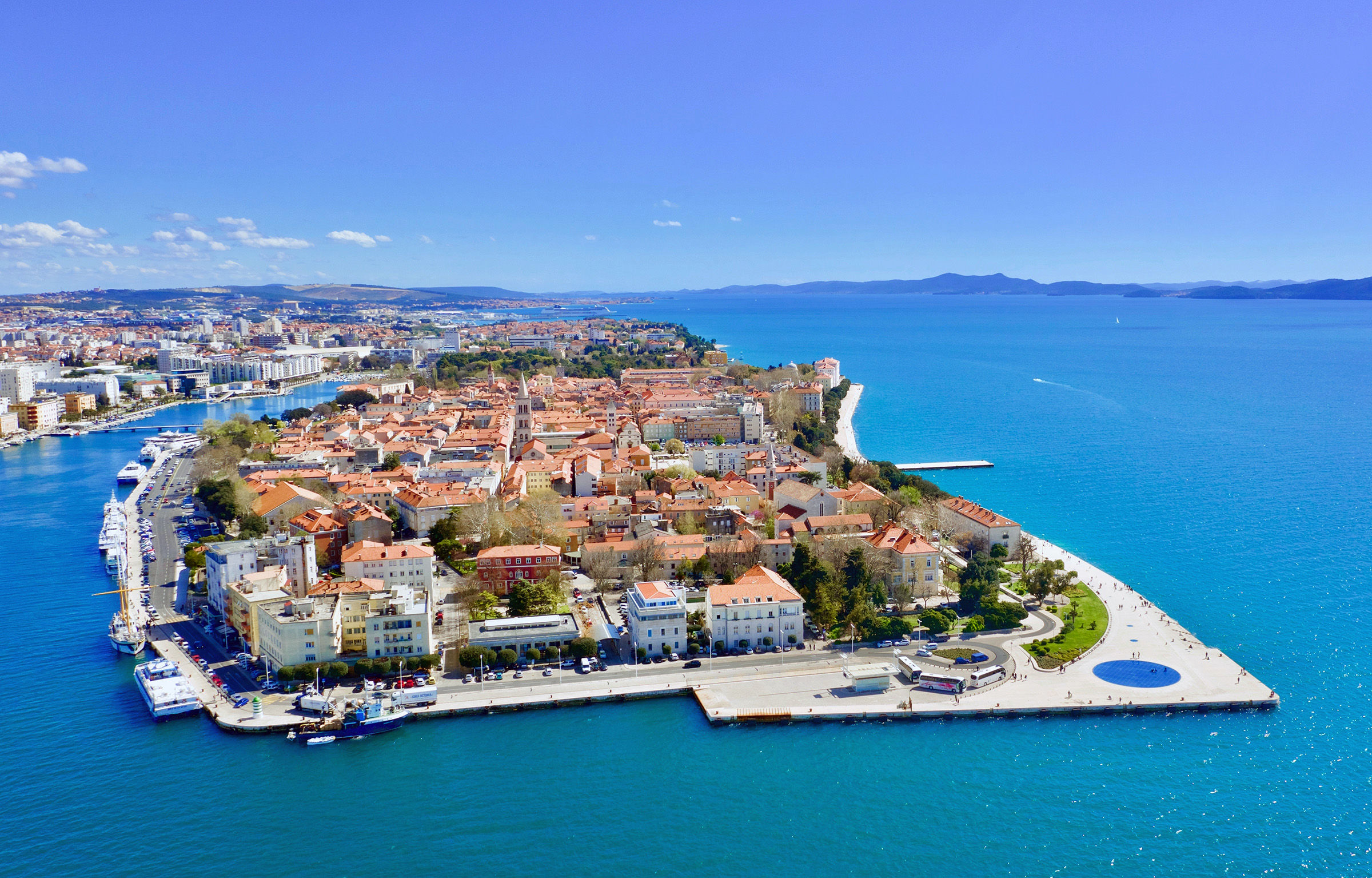
Once a preferred region, season, and ship type are settled, the remaining decision is which specific itinerary and embarkation point to book. Split and Dubrovnik are the most common starting points for the classic Dalmatian route, while Zadar, Rijeka, and Opatija serve as starting points for itineraries further north. Comparing a handful of small-ship options side by side, ideally with photographs of the cabin decks and stairways, gives a clearer sense of what a week aboard will actually involve.
Reading through several operators' full itineraries, rather than relying on a single brochure description, is generally the most useful way to judge whether a particular ship's pace, route, and layout suit a more relaxed travel style.
See the Adriatic at a slower pace
A small ship cruise remains one of the most practical ways to see Croatia's coastline without the logistics of driving between towns or repeatedly packing and unpacking. The format itself suits a slower pace of travel; the deciding factor is usually the vessel rather than the destination. A cabin cruiser with narrow stairways and tender landings can turn a relaxed week into hard work, while a boutique motor yacht with easier access can make the same coastline far more comfortable to explore.
Taking the time to compare ship layouts, ask direct questions about stairs and boarding, and choose a shoulder-season sailing with a manageable itinerary length generally makes the difference between a demanding trip and a genuinely restful one.
This article was developed with AI assistance and reviewed and edited for accuracy, quality, and relevance.