Breaking the Ice: Small-Ship Arctic Expeditions
An Arctic icebreaker cruise is one of the most exciting ways to experience the polar world by small ship. These voyages are not about rushing between ports or following a predictable route; they are about entering a landscape shaped by sea ice, glaciers, drifting pack ice, wildlife, and silence. In the Arctic, the ship is not just a means of transport. It becomes part of the adventure.
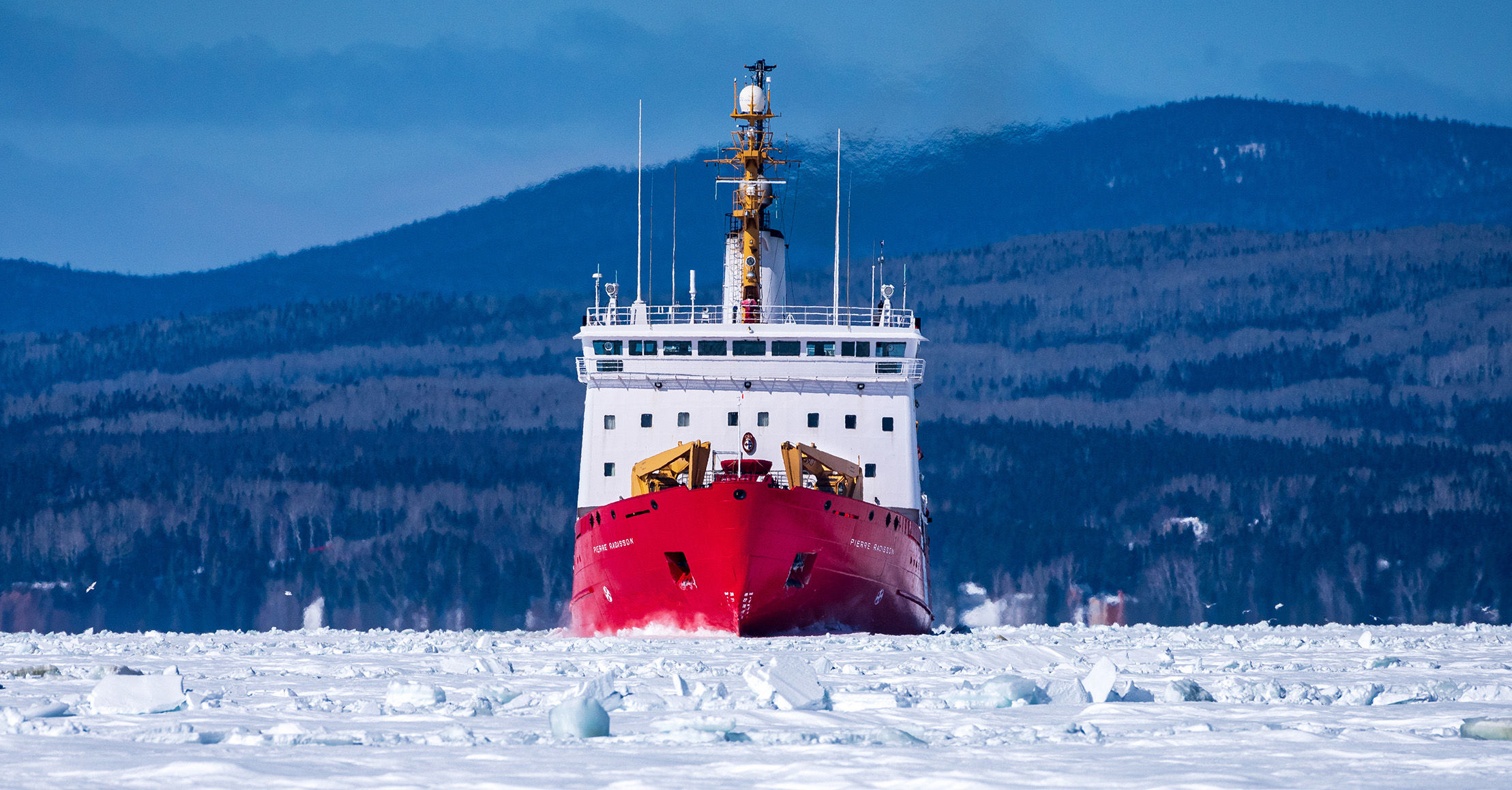
For travelers drawn to remote places, small-ship Arctic cruises offer a rare balance of comfort and exploration. Icebreakers and ice-strengthened expedition vessels can navigate challenging polar waters, bringing guests closer to glacier fronts, narrow fjords, wildlife-rich coastlines, and the shifting edge of the ice. Destinations such as Svalbard, Spitsbergen, and Tromsø reveal different sides of the Arctic, from High Arctic wilderness to lively northern cities shaped by polar culture.
Arctic Icebreaker Cruises and the Small-Ship Expedition Experience
Icebreaker cruises and polar expedition cruises are designed for travelers who want more than scenic sailing. These ships are built for challenging environments, with reinforced hulls, specialist navigation equipment, and experienced crews who understand polar conditions. Not every Arctic expedition ship is a full icebreaker, but many are ice-strengthened vessels designed to operate safely in remote northern waters.
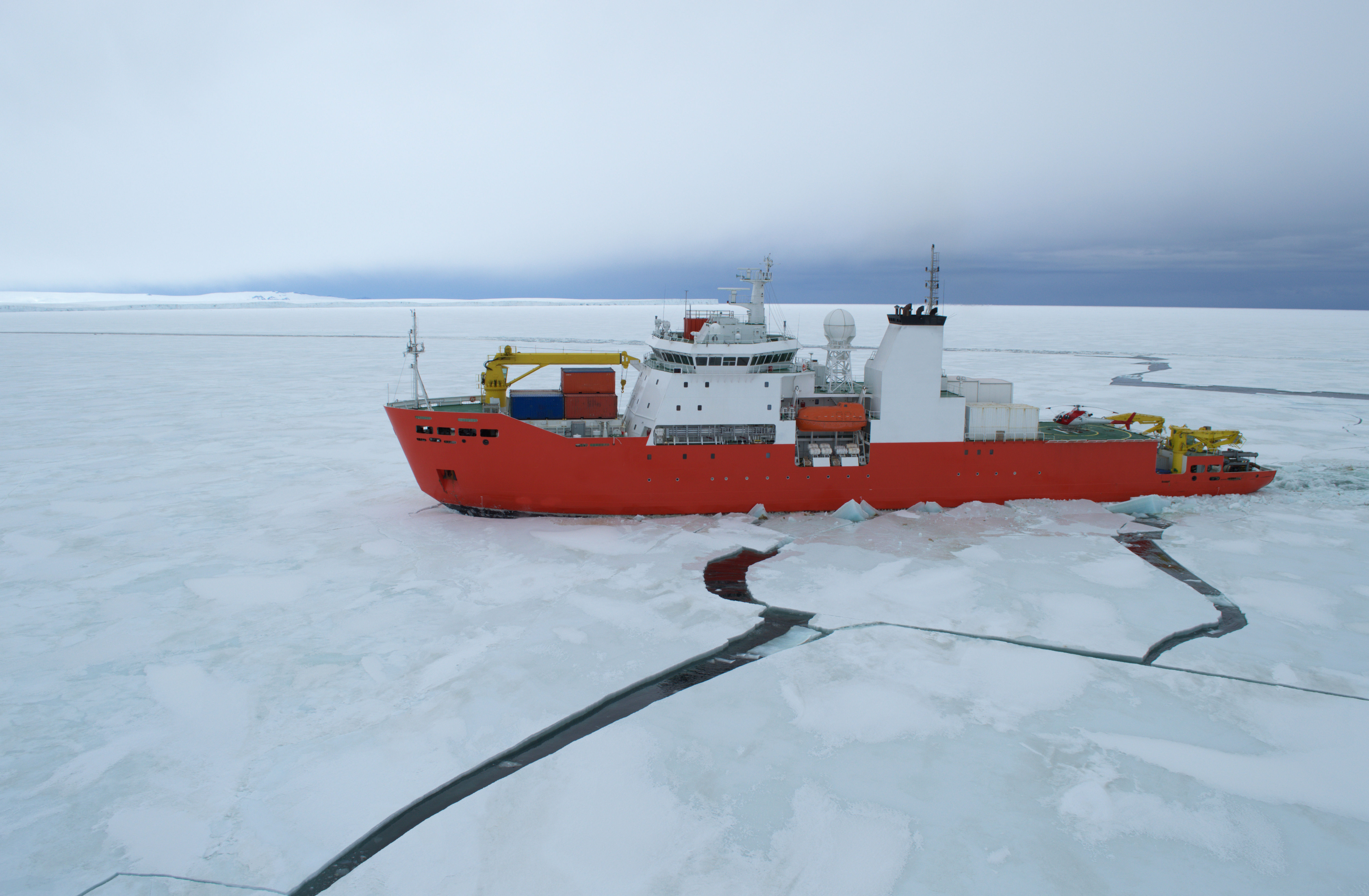
The small-ship format is a major part of the appeal. With fewer guests on board, the experience feels more personal, flexible, and immersive. Expedition teams can react to weather, ice, and wildlife opportunities, adjusting the route when conditions allow. Days may include Zodiac cruises, guided shore landings, glacier viewing, photography sessions, wildlife watching, and lectures from polar experts.
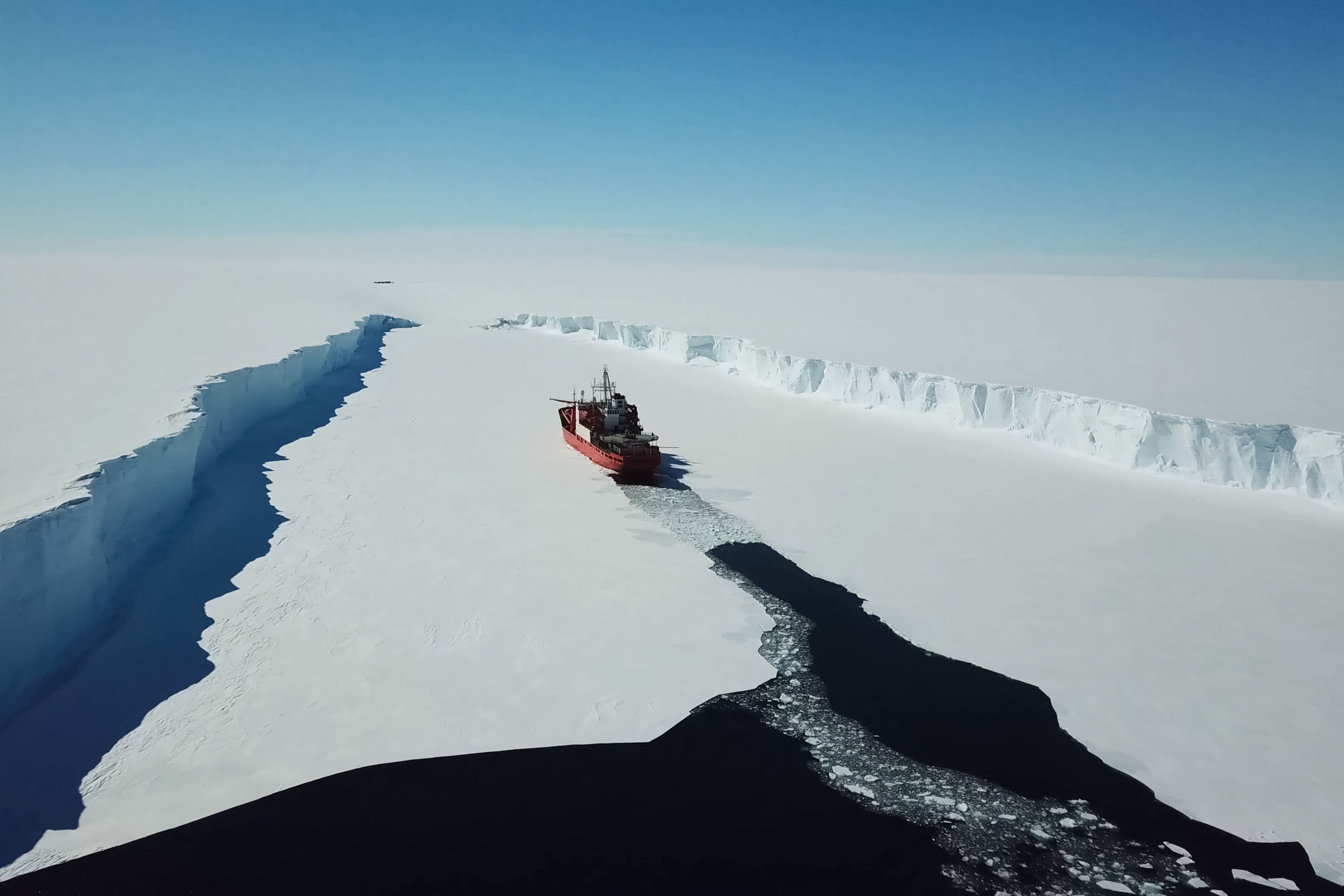
Unlike traditional cruises, Arctic small-ship itineraries are often shaped by nature rather than fixed schedules. Ice conditions, wind, visibility, and wildlife activity can all influence the day’s plan. That unpredictability is part of what makes an Arctic icebreaker cruise so memorable. The goal is not simply to visit the Arctic, but to experience it closely, slowly, and with a sense of discovery.
Svalbard: The Classic High Arctic Cruise Destination
Svalbard is one of the world’s great destinations for Arctic expedition cruises. Located far north of mainland Norway, this remote archipelago offers the type of polar scenery many travelers imagine when they dream of the Arctic: glacier-carved fjords, rugged mountains, drifting sea ice, tundra, and an extraordinary world of wildlife.
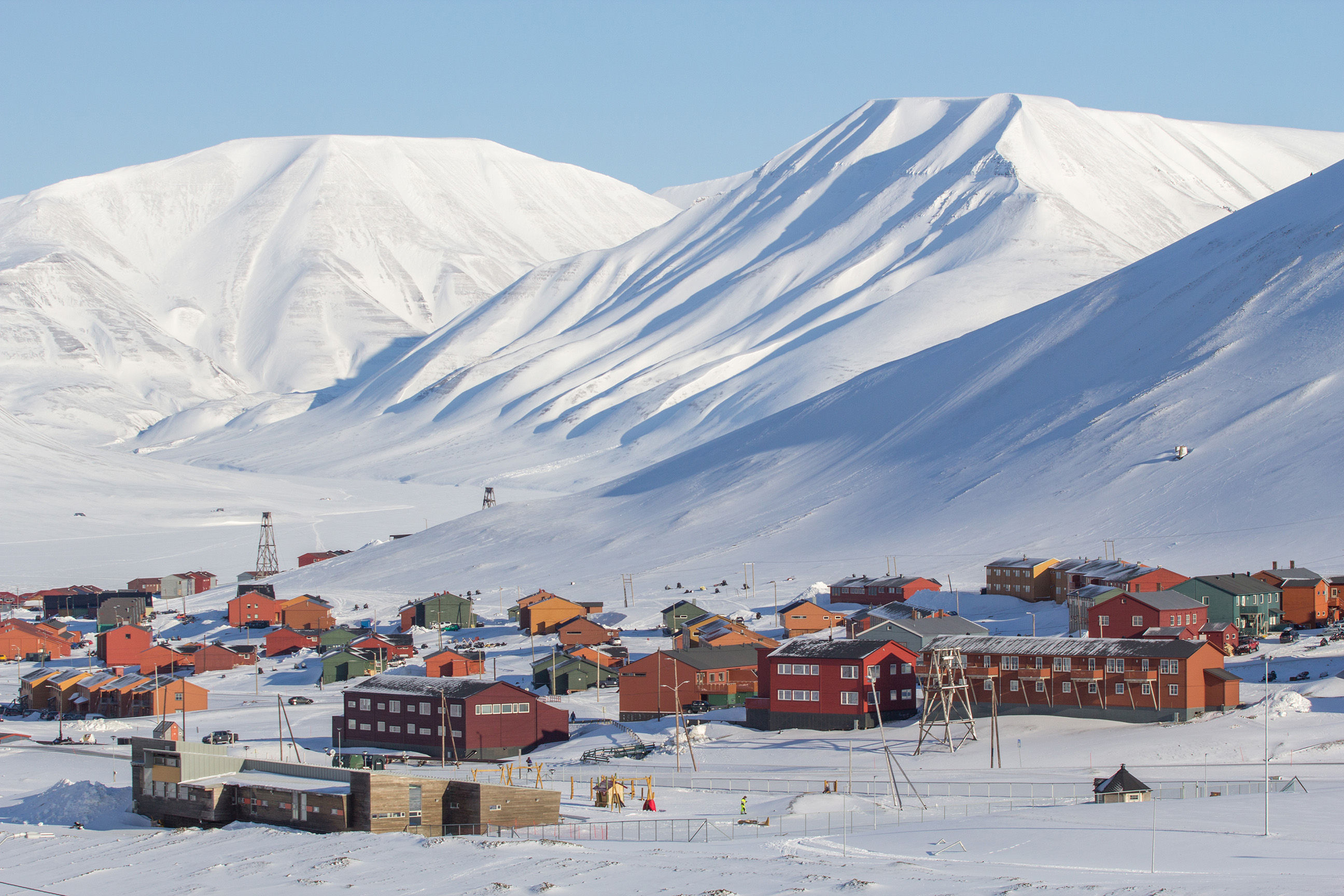
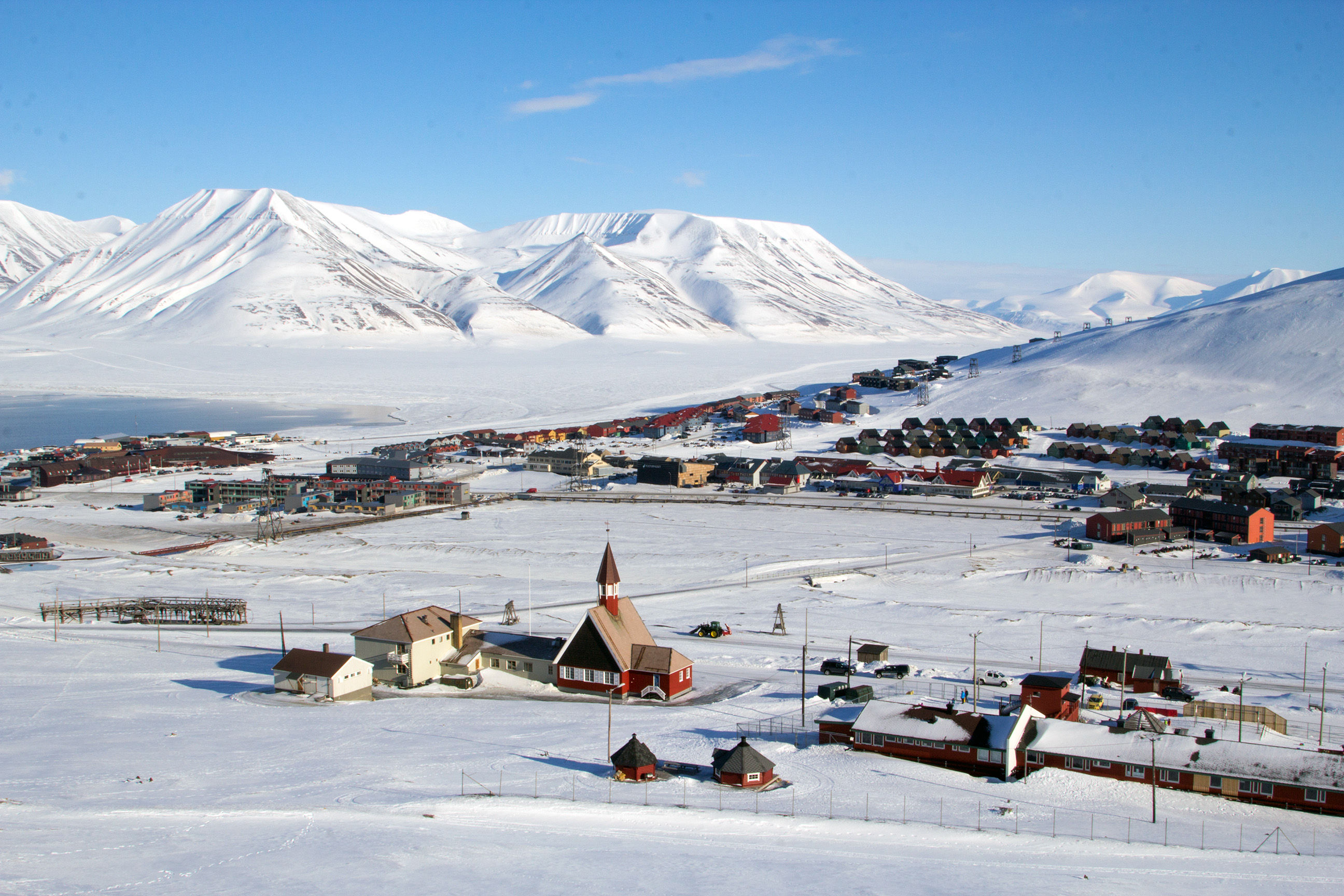
Most Svalbard cruises begin in Longyearbyen, the main settlement and the usual gateway for expedition ships. From there, small ships can explore deep fjords, remote bays, historic landing sites, and areas where ice conditions may change from one day to the next. The sense of isolation is immediate. Even from the deck, the landscapes feel vast, raw, and elemental.
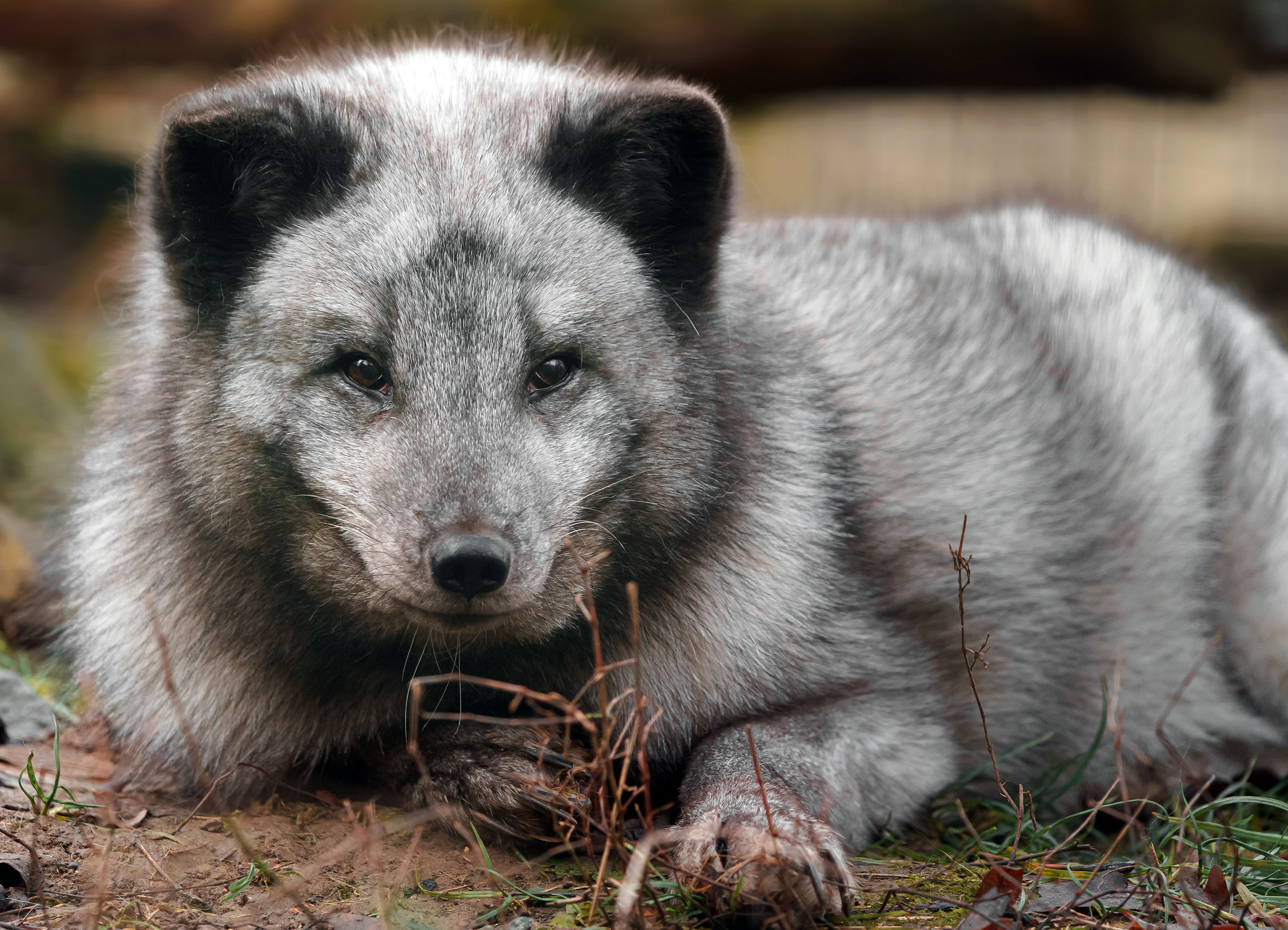
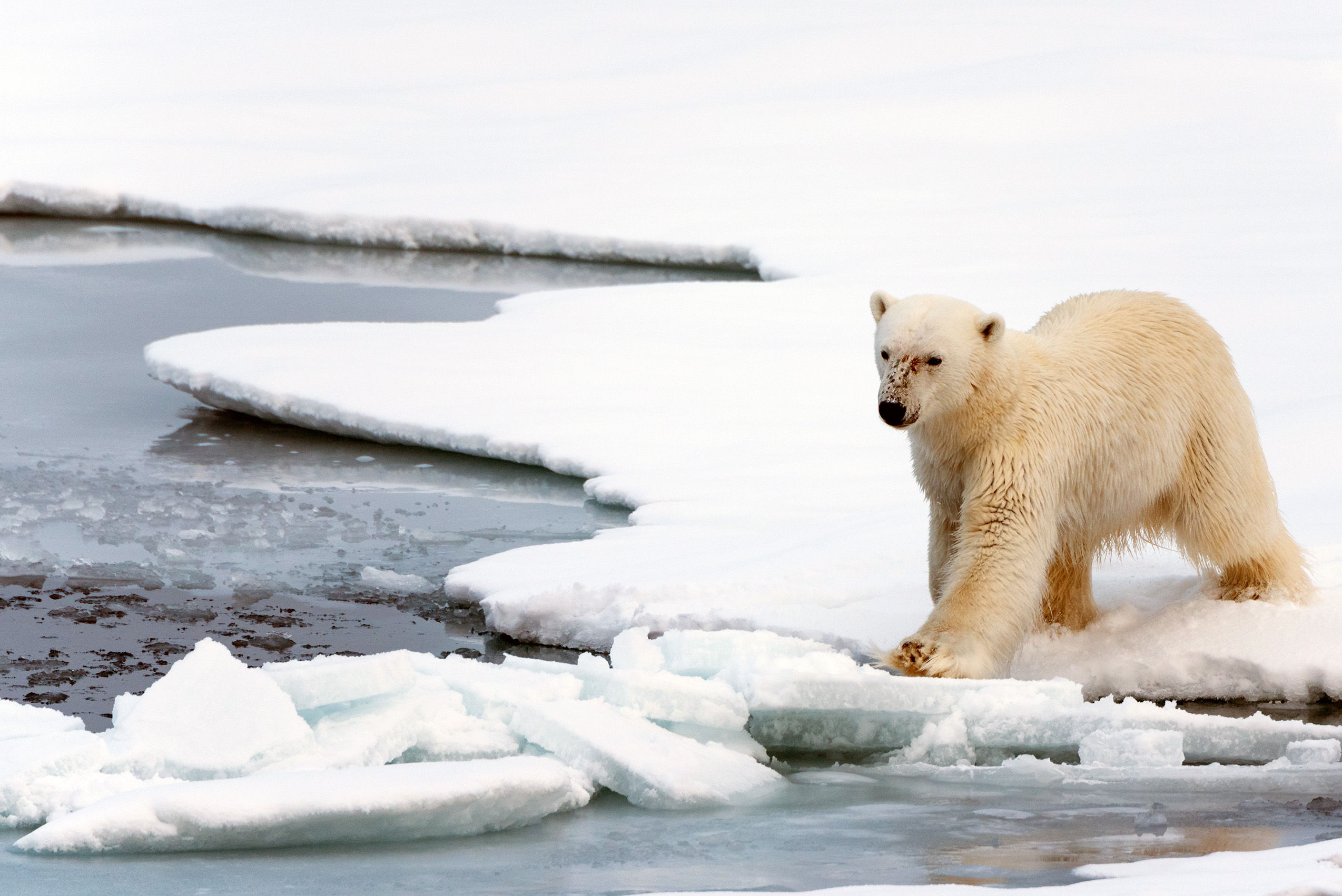
Wildlife is one of the biggest reasons travelers choose Svalbard cruises. Polar bears are the most iconic species, although sightings are never guaranteed and are always viewed from a safe distance. Walruses, seals, whales, Arctic foxes, Svalbard reindeer, and large seabird colonies may also be seen, depending on the season and route.
For small-ship cruising, Svalbard is especially rewarding because distances between dramatic sites can be relatively short, yet the scenery feels profoundly remote. One day might bring a glacier face glowing blue in the polar light; the next, a walrus haul-out, a Zodiac cruise among floating ice, or a quiet landing on tundra scattered with Arctic flowers.
Spitsbergen: Glaciers, Fjords, Wildlife, and Polar Routes
Spitsbergen is the largest island in the Svalbard archipelago and the focus of many Arctic expedition cruise itineraries. While travelers sometimes use “Svalbard” and “Spitsbergen” interchangeably, they are not the same. Svalbard refers to the wider archipelago, while Spitsbergen is its largest and most visited island.
For many guests, Spitsbergen cruises offer the perfect introduction to High Arctic cruising. Western Spitsbergen itineraries often explore dramatic fjords, glacier fronts, bird cliffs, and historic sites linked to whaling, mining, and polar exploration. These routes can be ideal for shorter expedition cruises, with a strong mix of scenery, wildlife, and accessible landing sites.
Longer itineraries may attempt an around-Spitsbergen voyage, circumnavigating the island when ice conditions allow. These routes feel more adventurous because they depend heavily on sea ice, weather, and local conditions. A planned route may change, but that flexibility is central to expedition cruising. The reward is a deeper sense of exploration and the possibility of reaching wilder, less-visited shores.
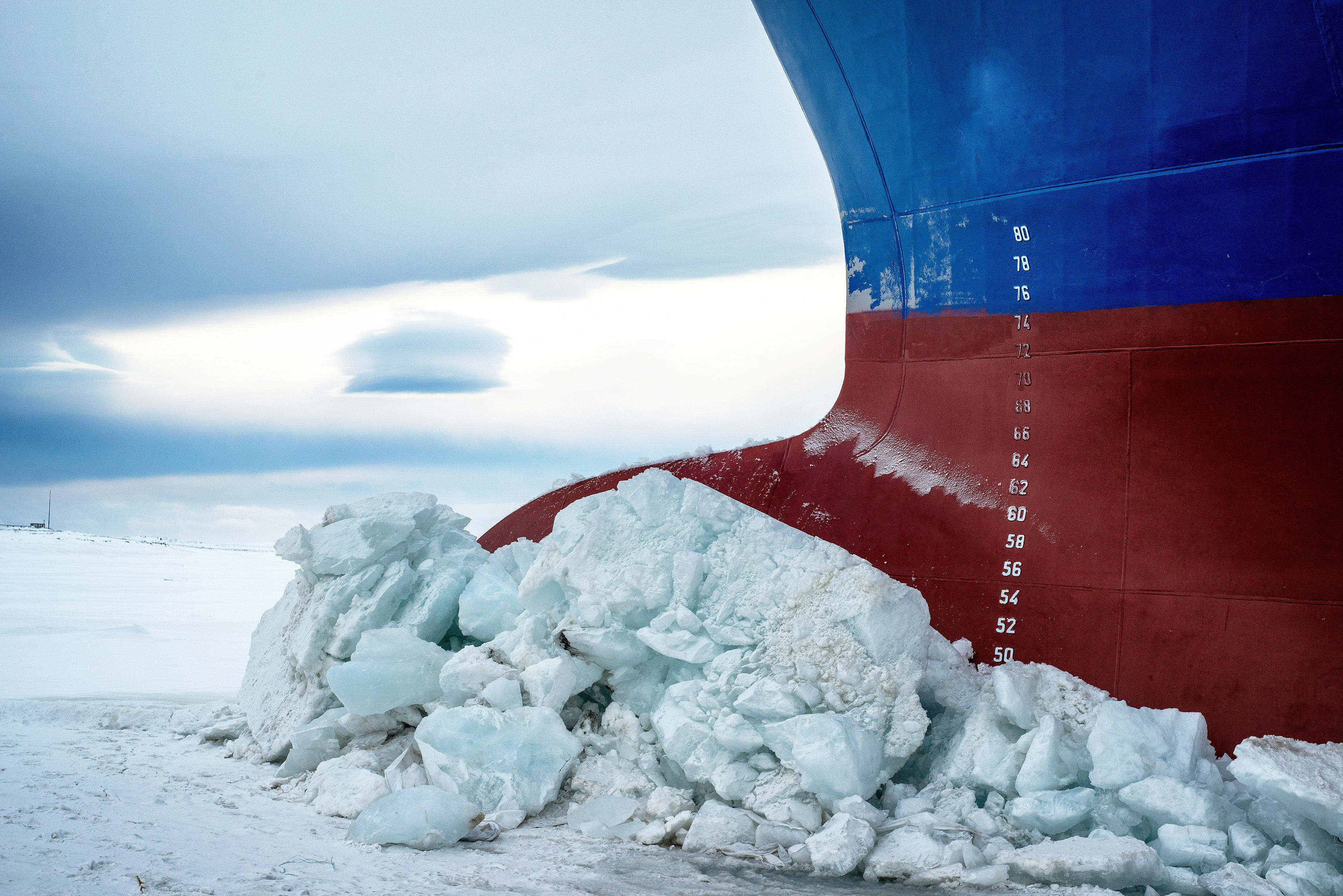
On a Spitsbergen small-ship cruise, the ship becomes a moving basecamp. Guests can watch for wildlife from open decks, join guided landings, cruise by Zodiac below glacier faces, and learn from expedition guides about geology, polar history, sea ice, and Arctic ecology. It is one of the best places to understand why small ships are so well suited to polar travel.
Tromsø: A Gateway to Arctic Norway
Tromsø plays a slightly different role in the Arctic cruise story. It is not usually the main base for Svalbard expedition cruises, which more often begin in Longyearbyen, but it is one of the most important gateways to Arctic Norway. For travelers combining a polar cruise with a wider northern Norway journey, Tromsø is a natural starting point, ending point, or pre- and post-cruise extension.
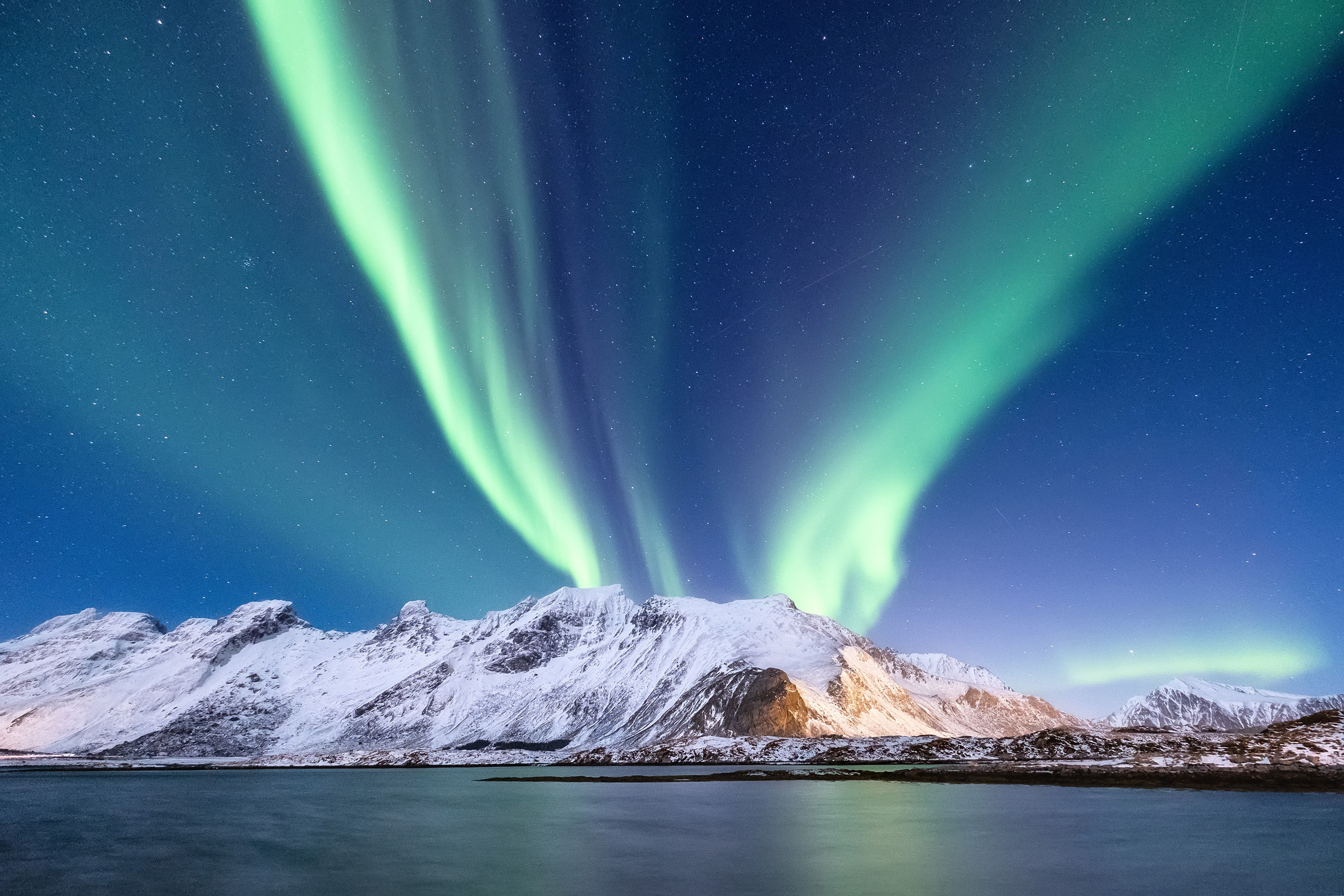
Known for Northern Lights experiences, whale watching, fjord cruises, winter activities, and the summer midnight sun, Tromsø offers a softer yet distinctly Arctic contrast to the remoteness of Svalbard and Spitsbergen. It brings together coastal scenery, polar history, modern city life, and access to some of Norway’s most dramatic northern landscapes.
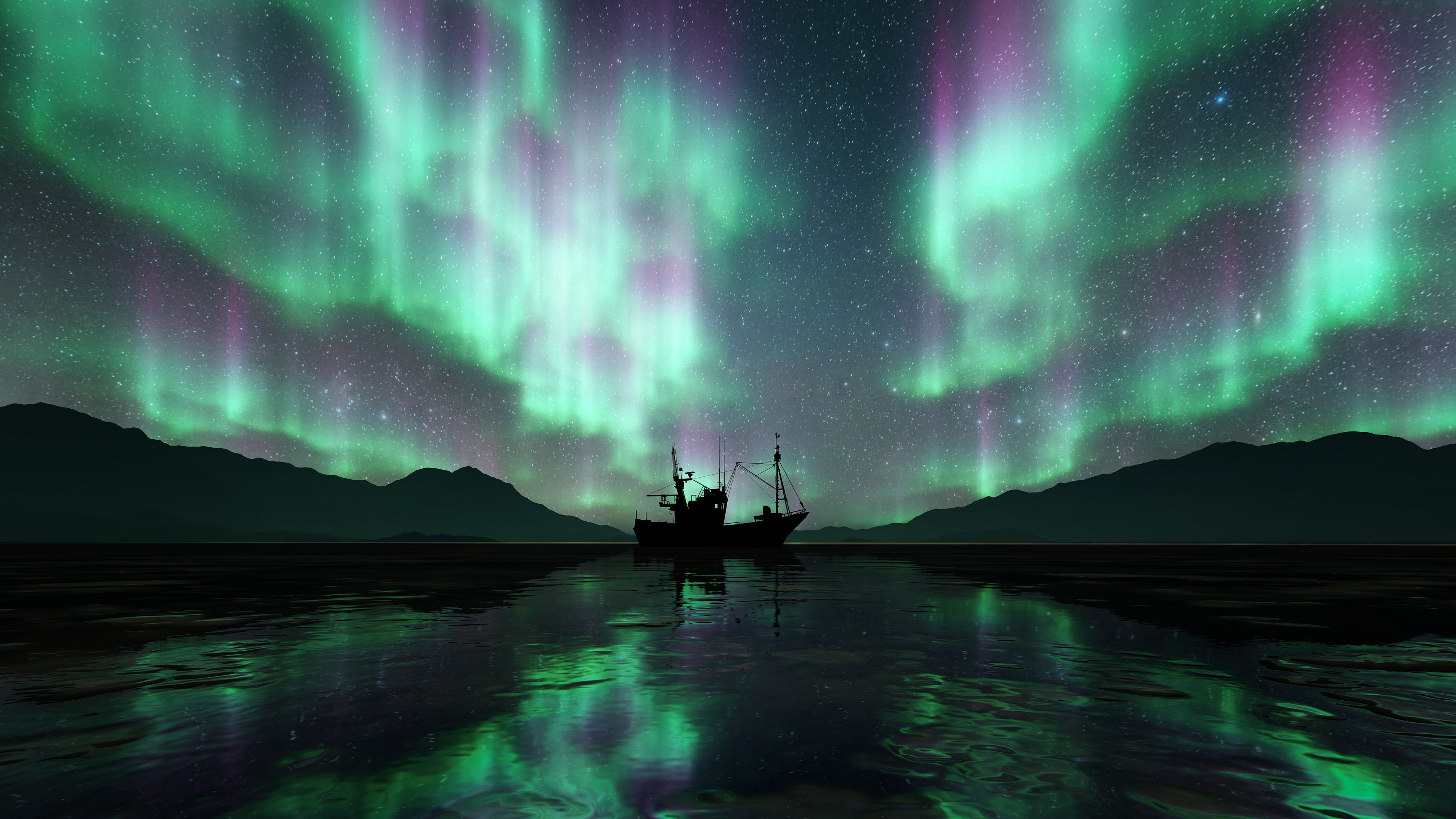
A Tromsø extension can work especially well for travelers who want to add Arctic culture, Sami experiences, aurora-focused travel, or scenic coastal cruising to their small-ship expedition. In summer, the long daylight pairs beautifully with fjord cruises and Arctic Norway exploration. In winter, Tromsø is better suited to Northern Lights and coastal Arctic itineraries than to classic Svalbard expedition cruising.
Wildlife, Sea Ice, and Polar Landscapes
The Arctic is a destination of atmosphere as much as scenery. On an icebreaker or ice-strengthened small ship, guests may wake to mountains reflected in still water, spend the afternoon cruising beside a glacier, and end the day watching seabirds wheel above cliffs in the midnight sun.
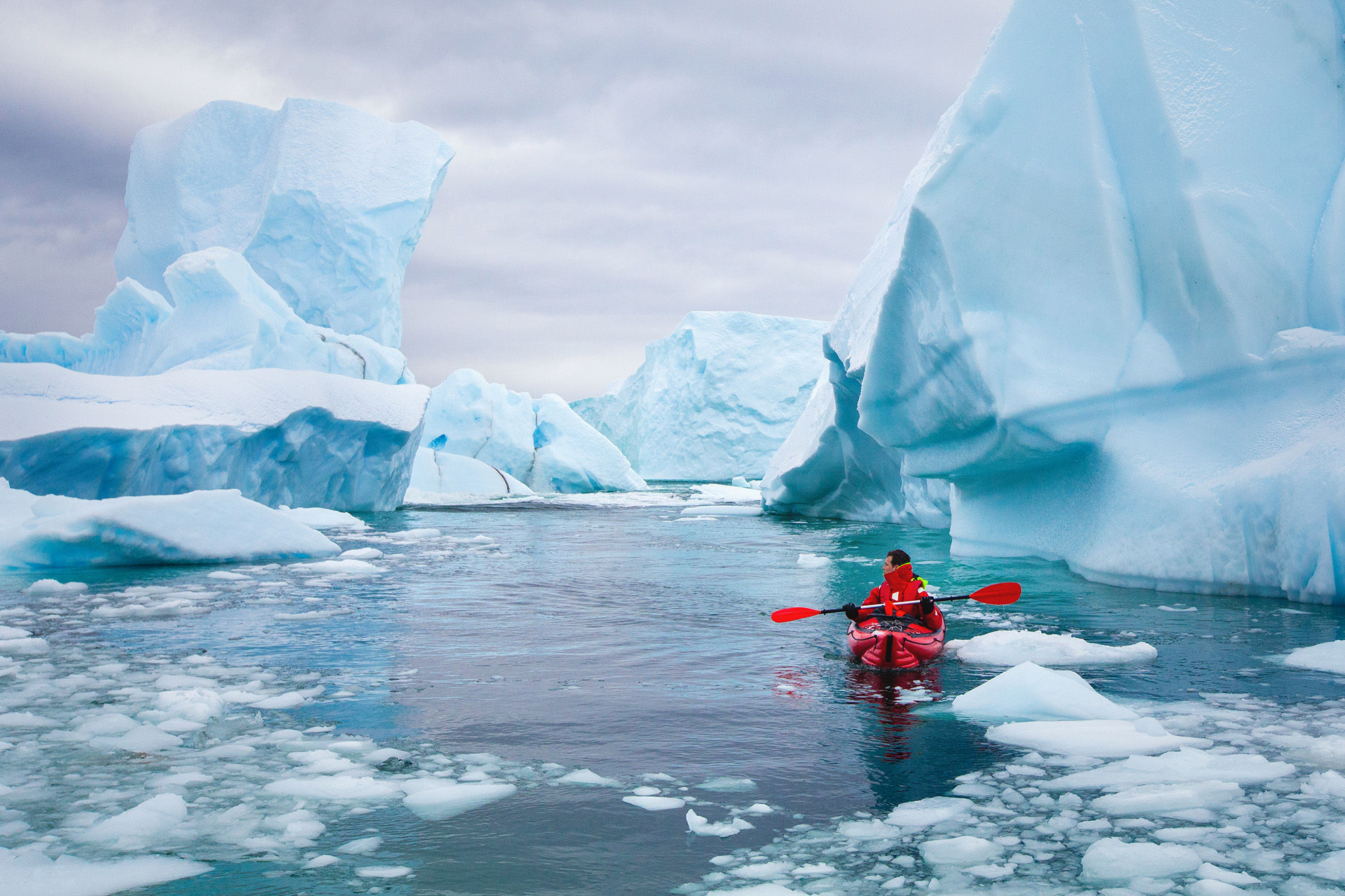
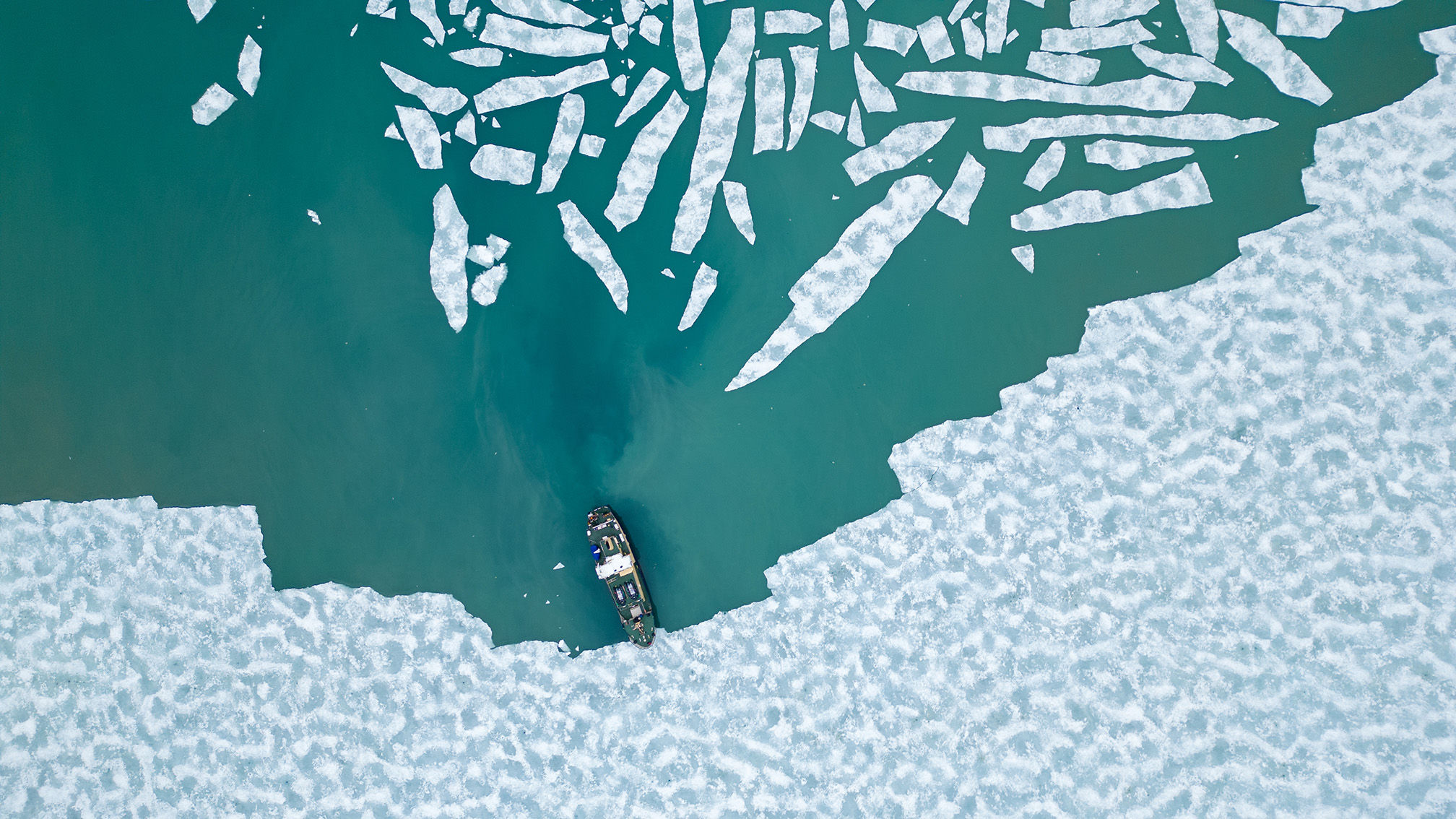
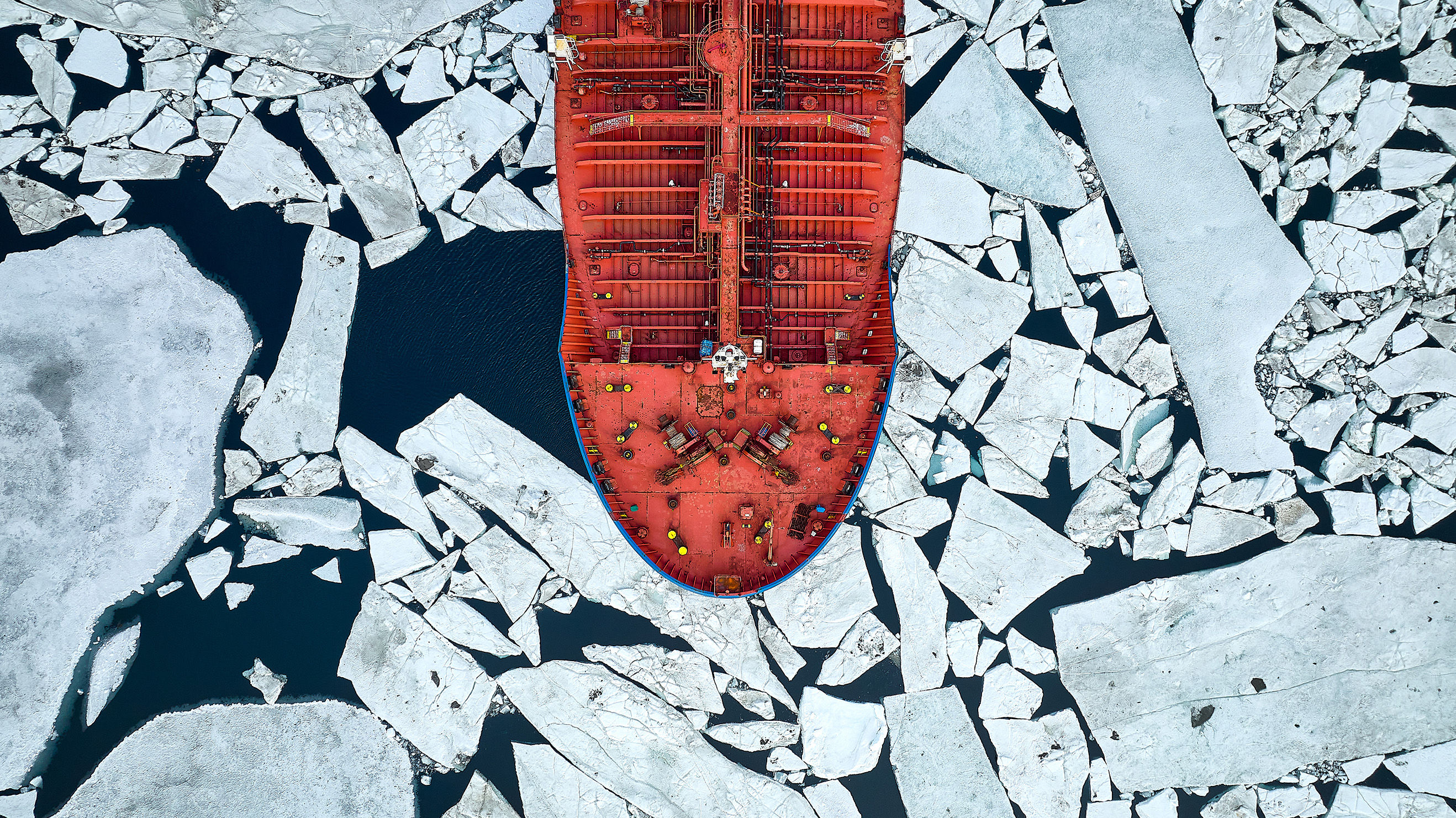
Sea ice is one of the defining features of an Arctic icebreaker cruise. The ship may push through loose ice, follow the edge of the pack, or pause while guests scan the horizon for seals and polar bears. Icebergs, brash ice, and snow-covered slopes create constantly changing views. No two days look quite the same.
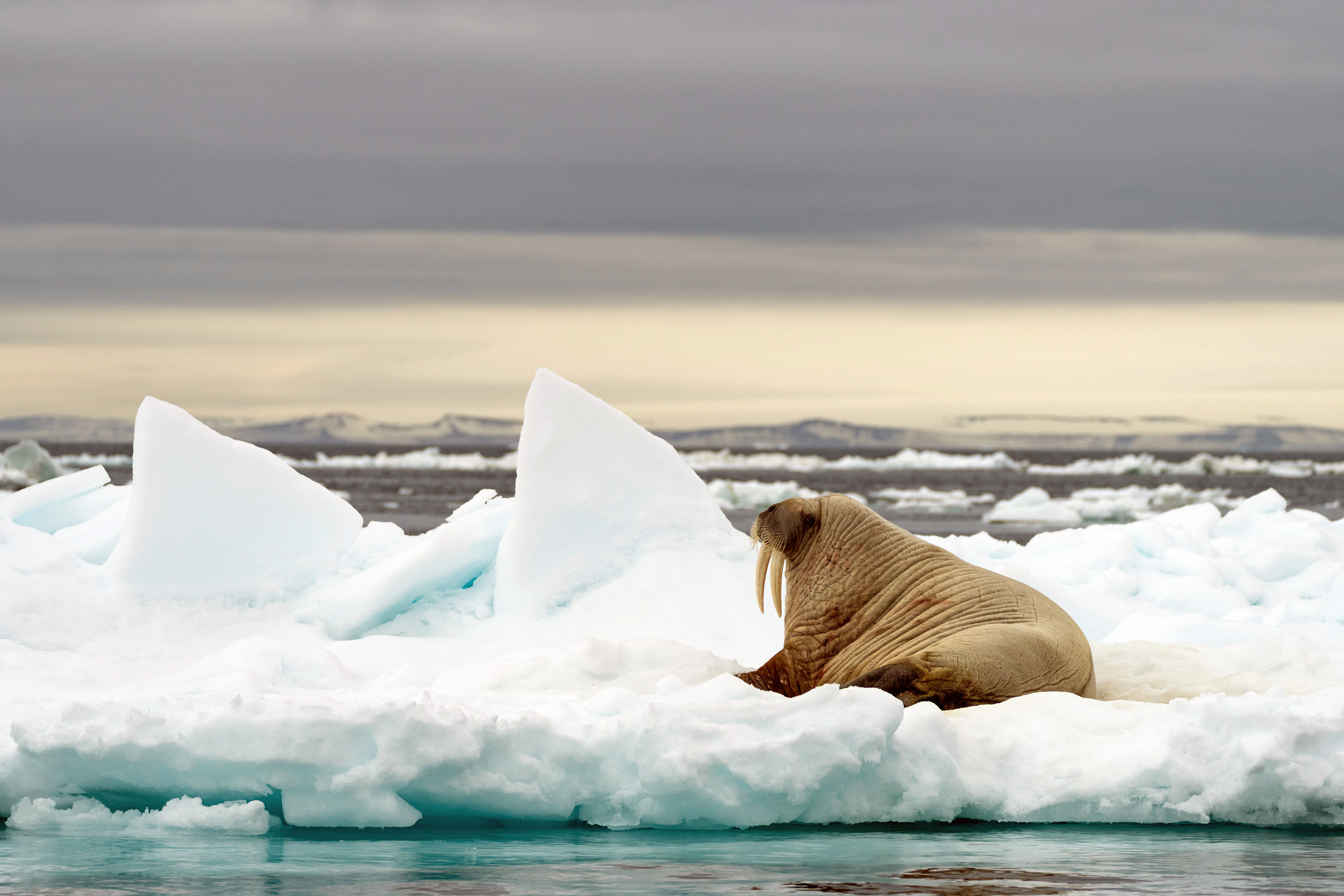
Wildlife encounters vary by location and season, but the possibilities are extraordinary. Polar bears, walrus, whales, seals, Arctic foxes, reindeer, puffins, guillemots, kittiwakes, and other seabirds are among the species that make Arctic cruises so appealing to nature lovers and photographers. Sightings are never guaranteed, but the anticipation is part of the experience.
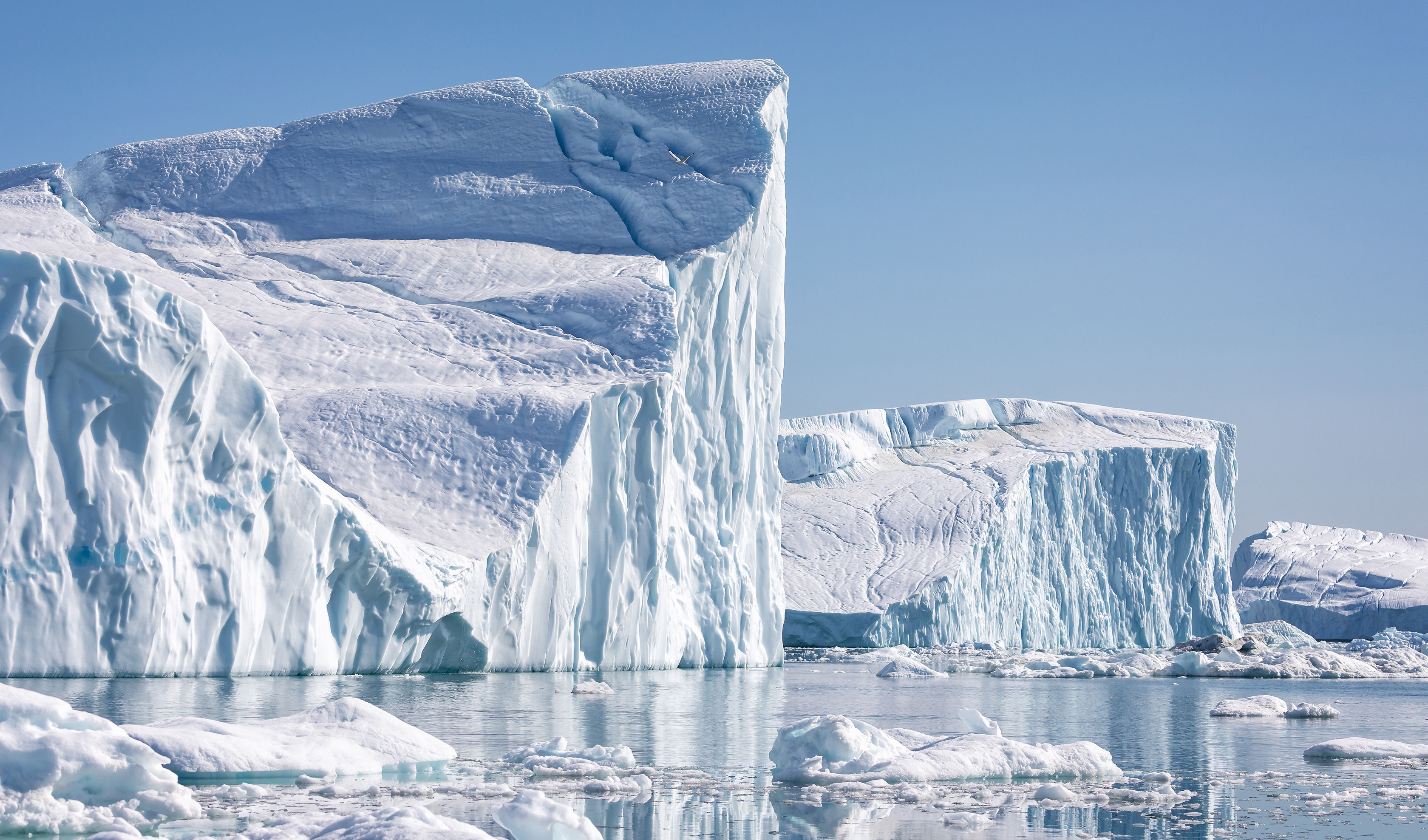
The landscapes are equally powerful. Tidewater glaciers, blue ice, black mountains, pale tundra, and wide polar skies create a sense of scale that is difficult to capture in photographs. Small ships allow guests to slow down, watch carefully, and experience the Arctic as a living environment rather than a distant backdrop.
The Best Time for Arctic Small-Ship and Icebreaker Cruises
The main season for Arctic small-ship cruises is the polar summer, when longer daylight hours and more navigable waters make expedition travel possible. In Svalbard and Spitsbergen, cruises typically operate from late spring into early autumn, with each part of the season offering a slightly different experience.
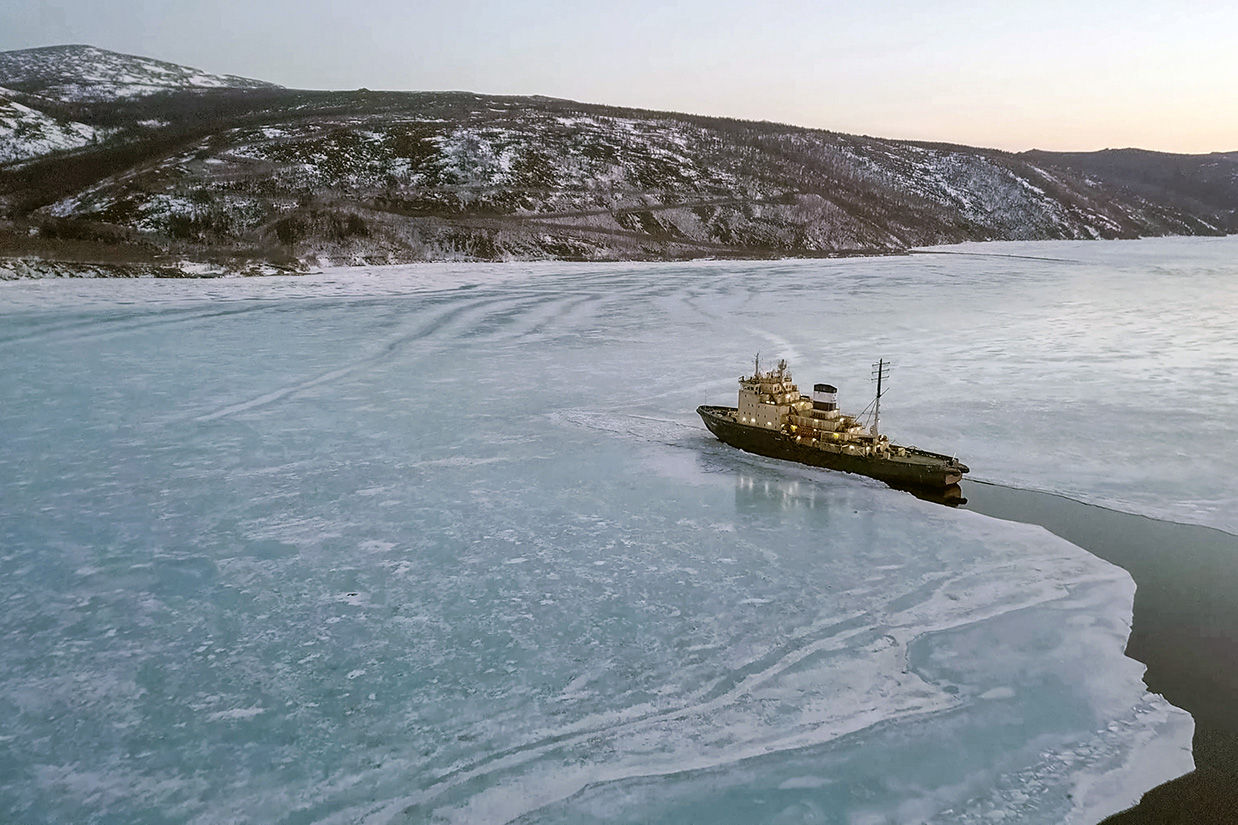
May and June can bring snow-covered landscapes, early-season ice, and a strong sense of wilderness. This is a beautiful time for travelers hoping to see the Arctic at its most frozen and dramatic. July and August are often considered peak months for Arctic expedition cruises, with more open water, active wildlife, and longer landing opportunities. September can bring softer light, autumn color in the tundra, and a quieter end-of-season atmosphere.
Tromsø follows a different rhythm. It is a year-round Arctic destination, with summer fjord experiences, midnight sun, autumn colors, winter activities, and Northern Lights travel during the darker months. This makes Tromsø a strong complement to an Arctic cruise, especially for travelers planning a broader itinerary in Norway.
Choosing an Arctic Icebreaker Cruise
Arctic icebreaker cruises are ideal for travelers who want adventure, remoteness, wildlife, photography, and expert-led discovery. They suit people who are comfortable with flexible plans and understand that weather, ice, and wildlife cannot be controlled.
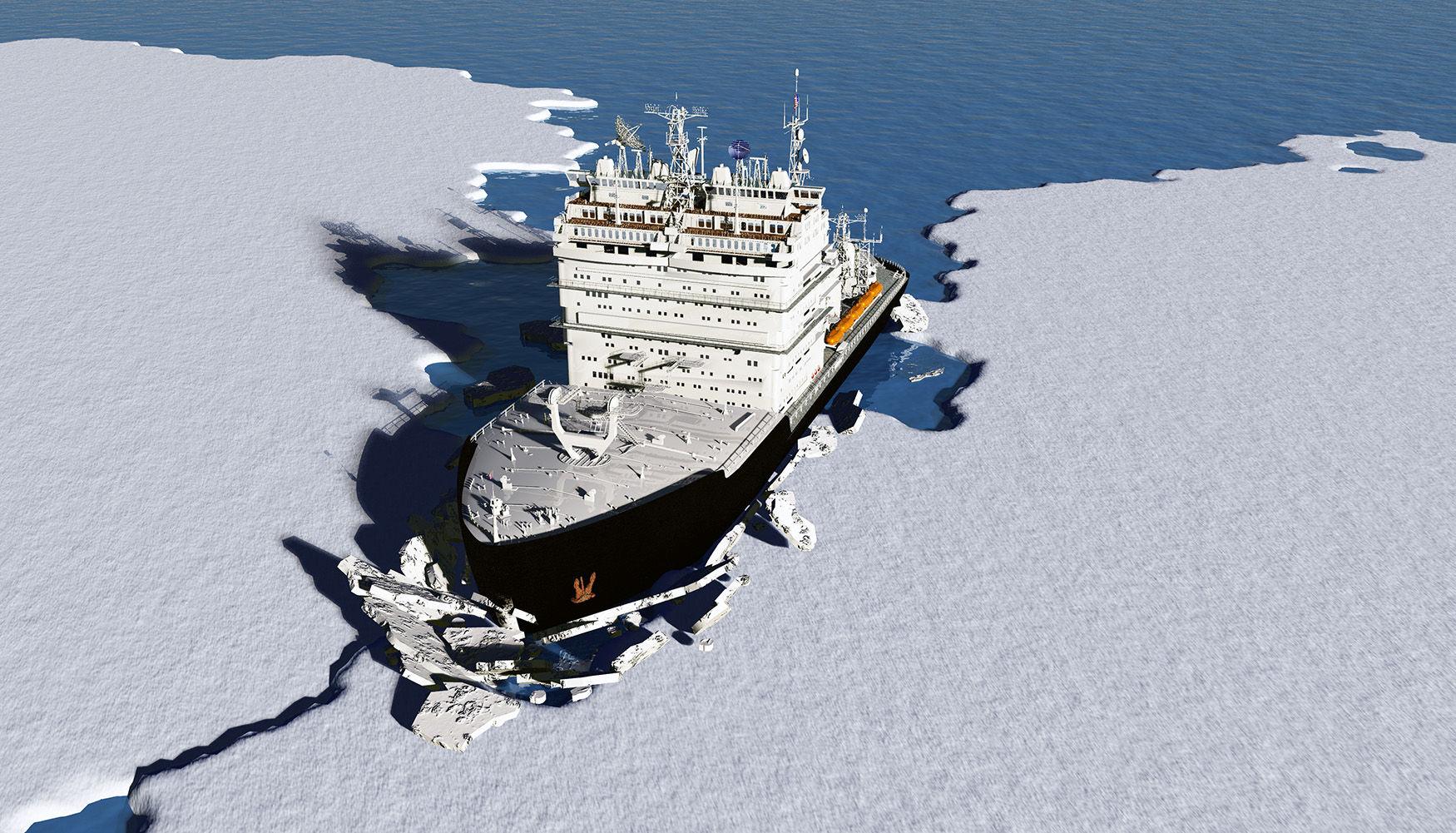
These voyages can feel adventurous, but they are not only for extreme explorers. Modern polar small ships often offer comfortable cabins, panoramic lounges, excellent dining, observation decks, lecture spaces, mudrooms, and specialist expedition equipment. The experience is active, but guests usually choose how much they want to participate.
The best mindset is curiosity. An Arctic small-ship cruise rewards travelers who enjoy watching, waiting, learning, and adapting. A changed route is not necessarily a disappointment; it may lead to the most memorable moment of the journey. In the Arctic, flexibility often creates the best stories.
Small Ships, Big Ice, and True Arctic Adventure
Arctic icebreaker cruises offer something few journeys can match: the chance to travel through one of the planet’s most remote environments by small ship. In Svalbard, the High Arctic feels close and immediate. Around Spitsbergen, glaciers, fjords, sea ice, and wildlife shape each day. In Tromsø, Arctic Norway adds culture, coastal beauty, and seasonal contrasts before or after the expedition.
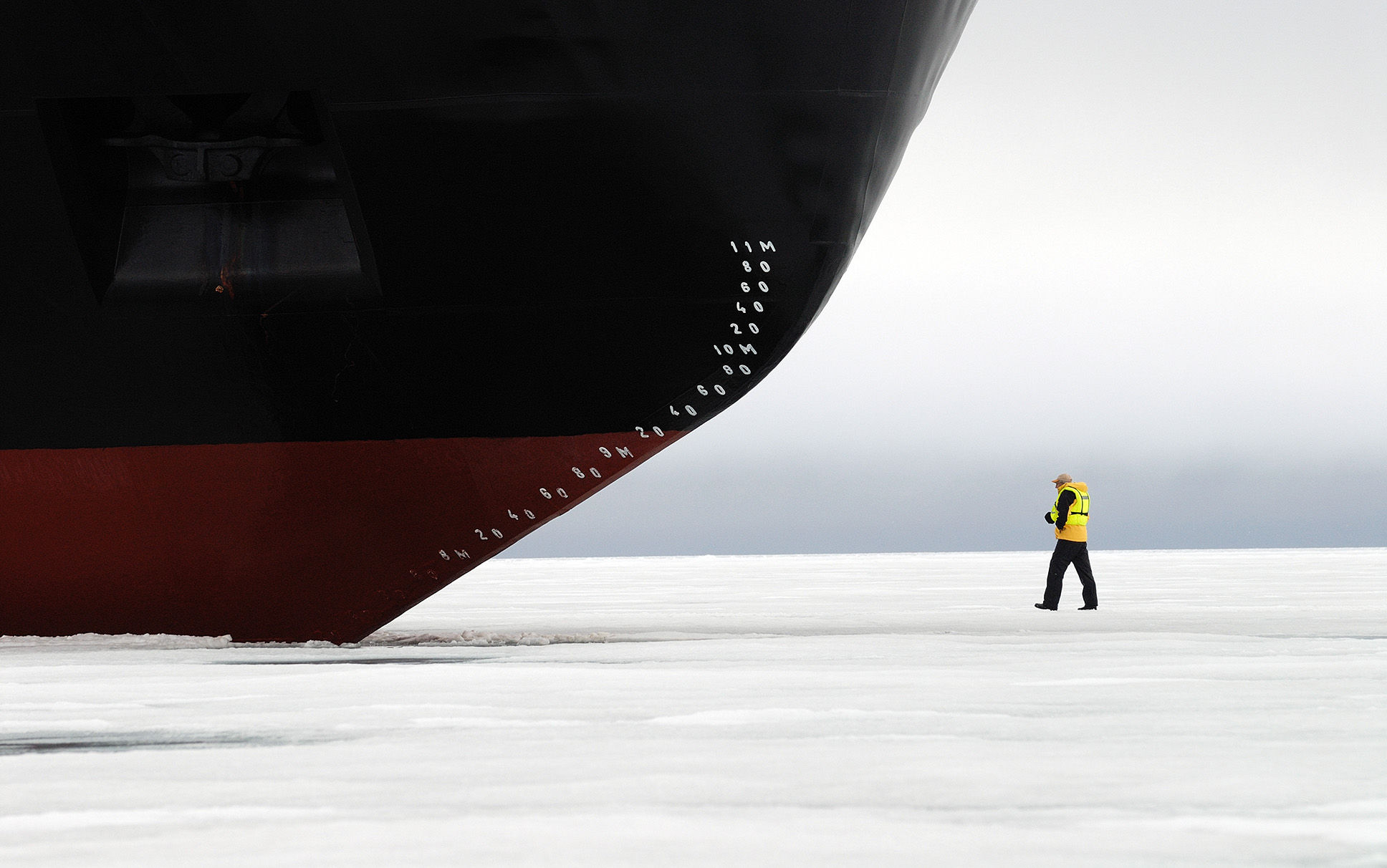
For travelers seeking more than a standard cruise, an Arctic small-ship expedition is a journey into ice, light, silence, and discovery. It is not just about reaching the far north. It is about experiencing the Arctic slowly, closely, and with a true sense of wonder.
This article was developed with AI assistance and reviewed and edited for accuracy, quality, and relevance.