Best Time to Book an Arctic Cruise
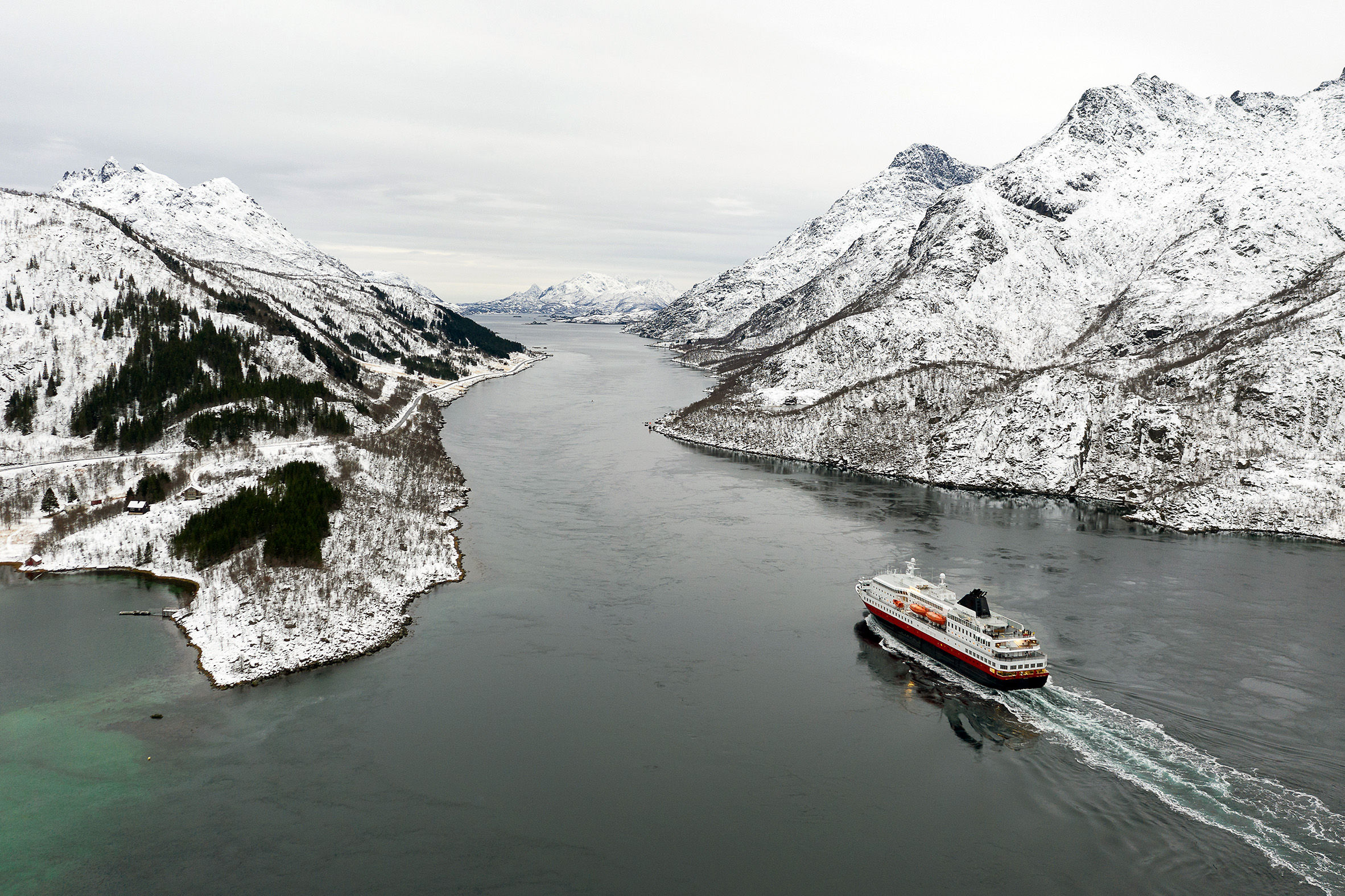
An Arctic small-ship cruise runs on a different clock than a mainstream cruise booking. Expedition vessels sailing to Svalbard and Spitsbergen carry a fraction of the passengers of a conventional ship, and that single fact changes almost everything about when to book, what a fare actually includes, and how quickly a preferred cabin or departure date disappears. Understanding that calendar, rather than applying assumptions from ocean-going cruise lines, is what separates travelers who land the itinerary and cabin they want from those left choosing between whatever is still available.
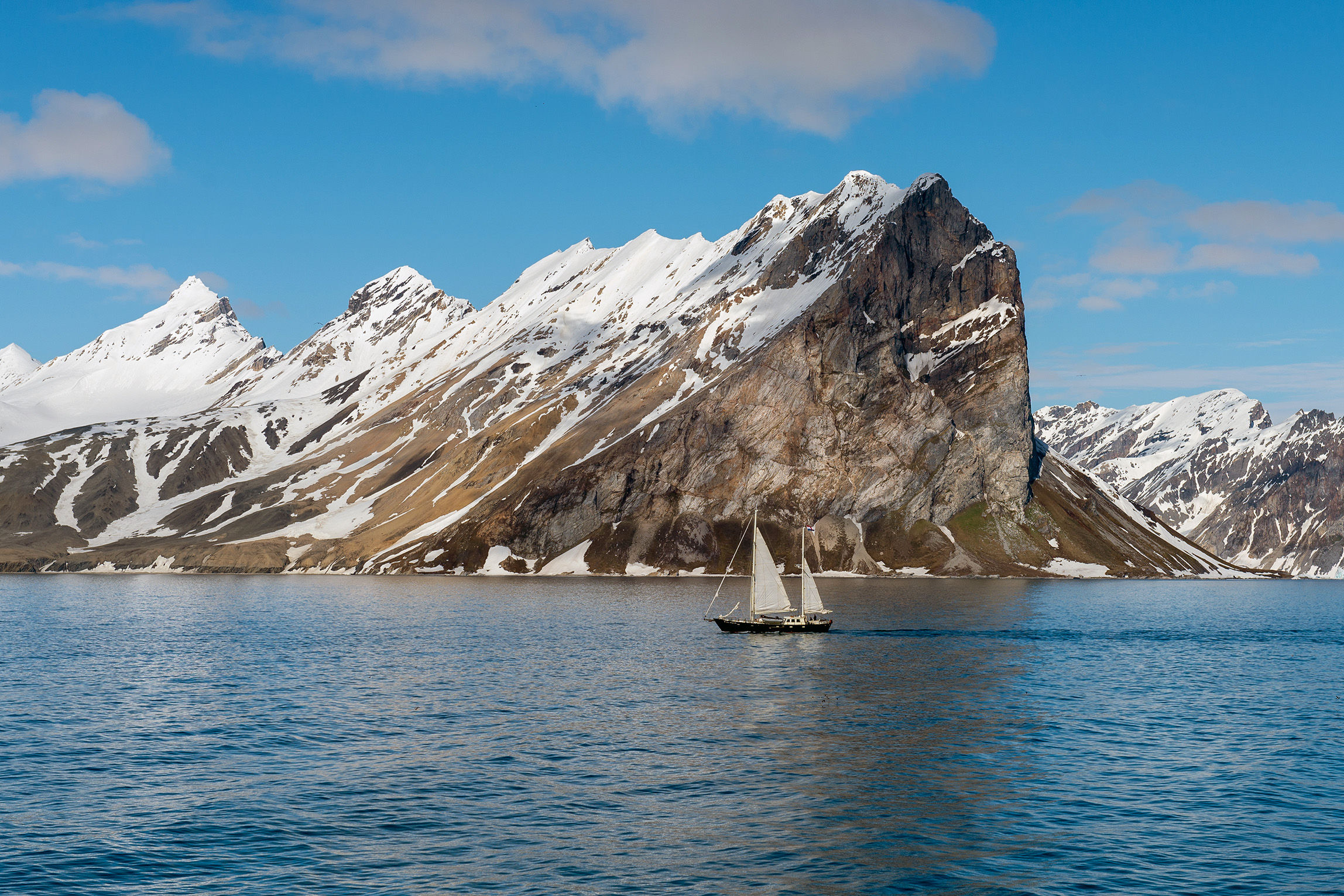
The stakes are higher for a region with a narrow operating season. Svalbard's fjords are only navigable to expedition ships for part of the year, and the number of vessels permitted to operate there is small compared with more heavily trafficked cruise regions. That combination of a short season and limited capacity is the main reason booking timing matters more here than it does for most cruise types.
Small ships follow their own booking calendar
Limited capacity changes the math
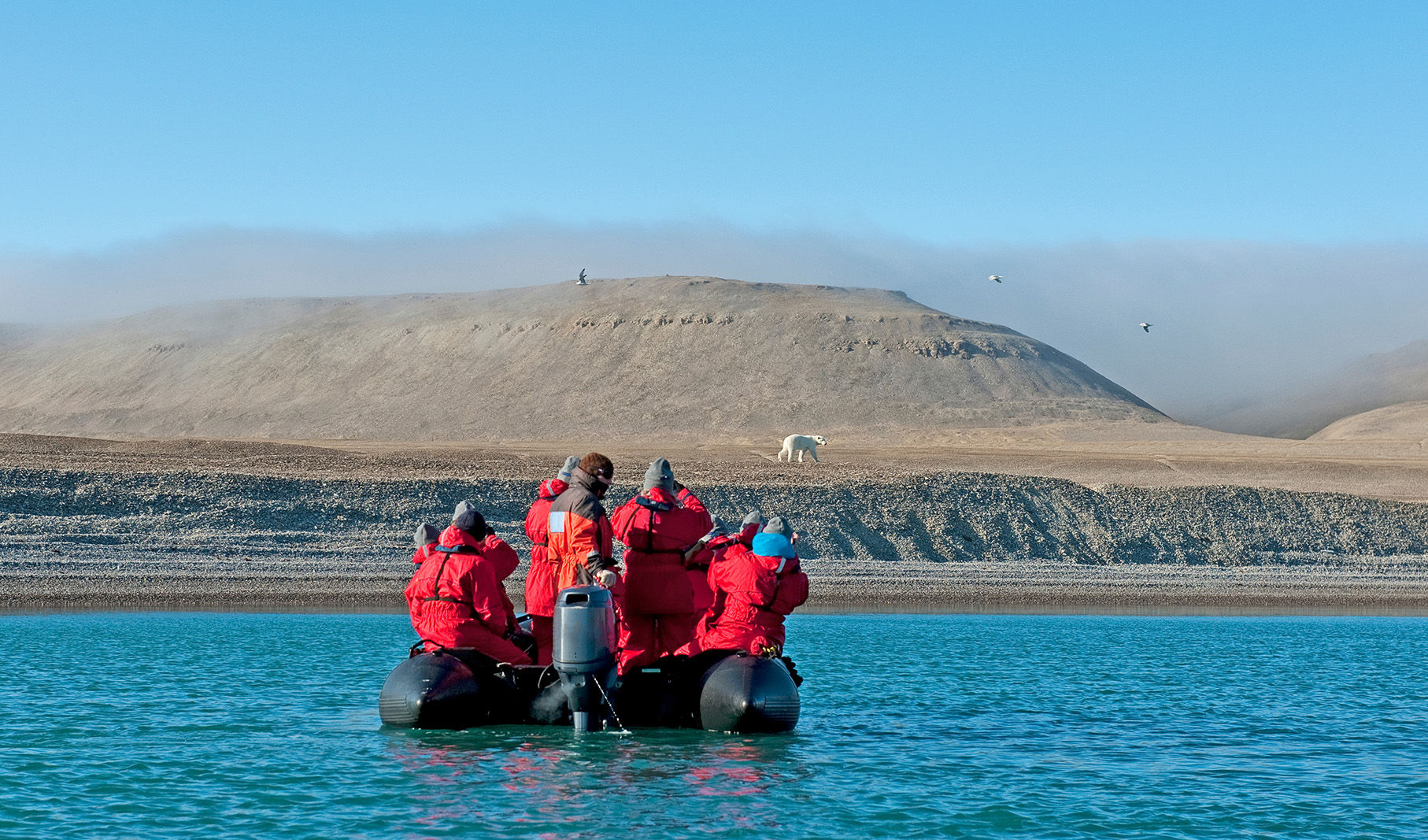
Most Arctic expedition ships carry passenger counts in the low hundreds, and several carry far fewer. That limited inventory means a single departure to the High Arctic can sell out a year or more in advance, particularly for July and August sailings. A mainstream cruise line can absorb a late surge of bookings by drawing on thousands of remaining berths; a small expedition ship simply cannot. Once a departure is full, it is full, and no amount of last-minute searching will produce a cabin that was never there.
Included excursions change the price you're comparing
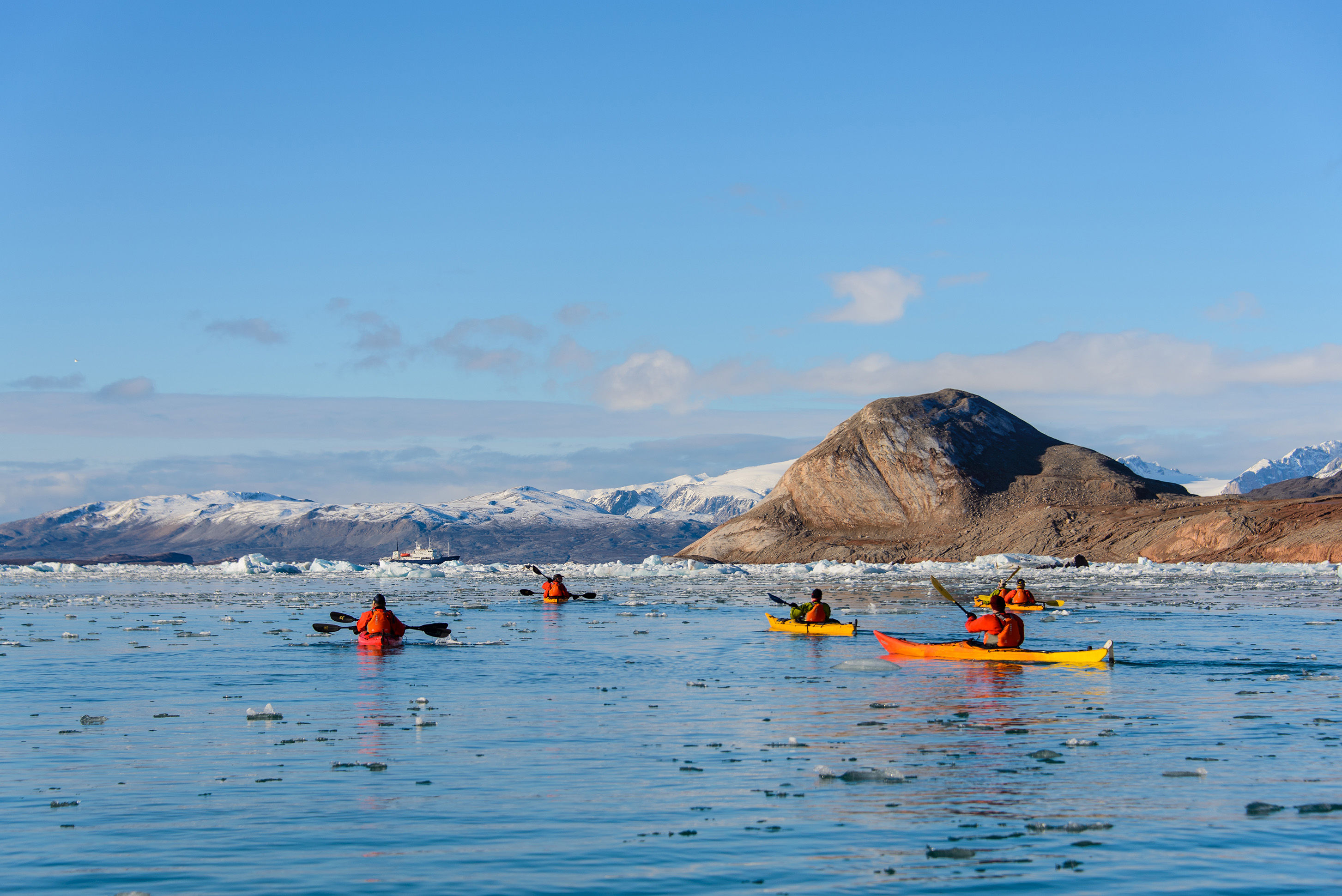
Small-ship Arctic fares typically bundle Zodiac landings, naturalist and expedition-guide services, and shore excursions into the published rate, which makes direct comparisons with other cruise types misleading. Optional activities such as sea kayaking, polar camping, or extended photography workshops go a step further: they are capped at a handful of spots per voyage and allocated on a first-come, first-served basis. On a ship carrying well under 200 passengers, ten or twelve kayak places can be gone within weeks of a sailing opening for booking, regardless of how far ahead the departure itself is from selling out.
The Arctic cruise season and how it shapes cost
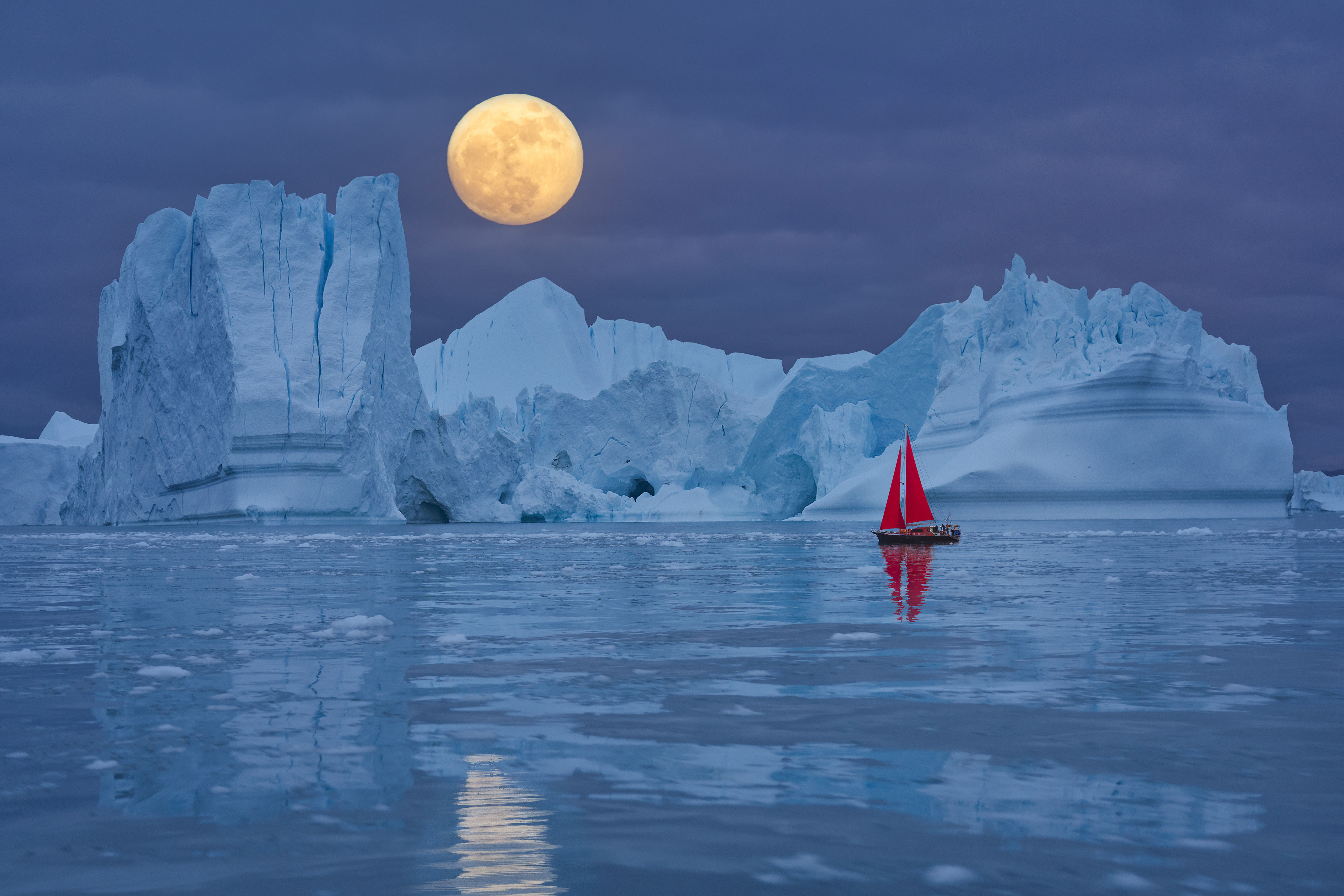
The Arctic small-ship season generally runs from May to September, framed by the retreat and return of sea ice around Svalbard and the wider Barents region.
| Period | Approximate months | What travelers gain | General price tendency |
|---|---|---|---|
| Peak season | Late June to August | Longest daylight, widest access to fjords and pack-ice edges, strongest overall wildlife activity | Highest fares of the season |
| Early season | May to early June | Fresh snow cover, active bird colonies, and one of the more reliable windows for polar bear sightings on sea ice | Moderate, often below peak |
| Late shoulder season | September | Fewer ships in the fjords, cooler conditions, and the first return of darker night skies | Typically, the lowest fares of the season |
Peak season: late June through August
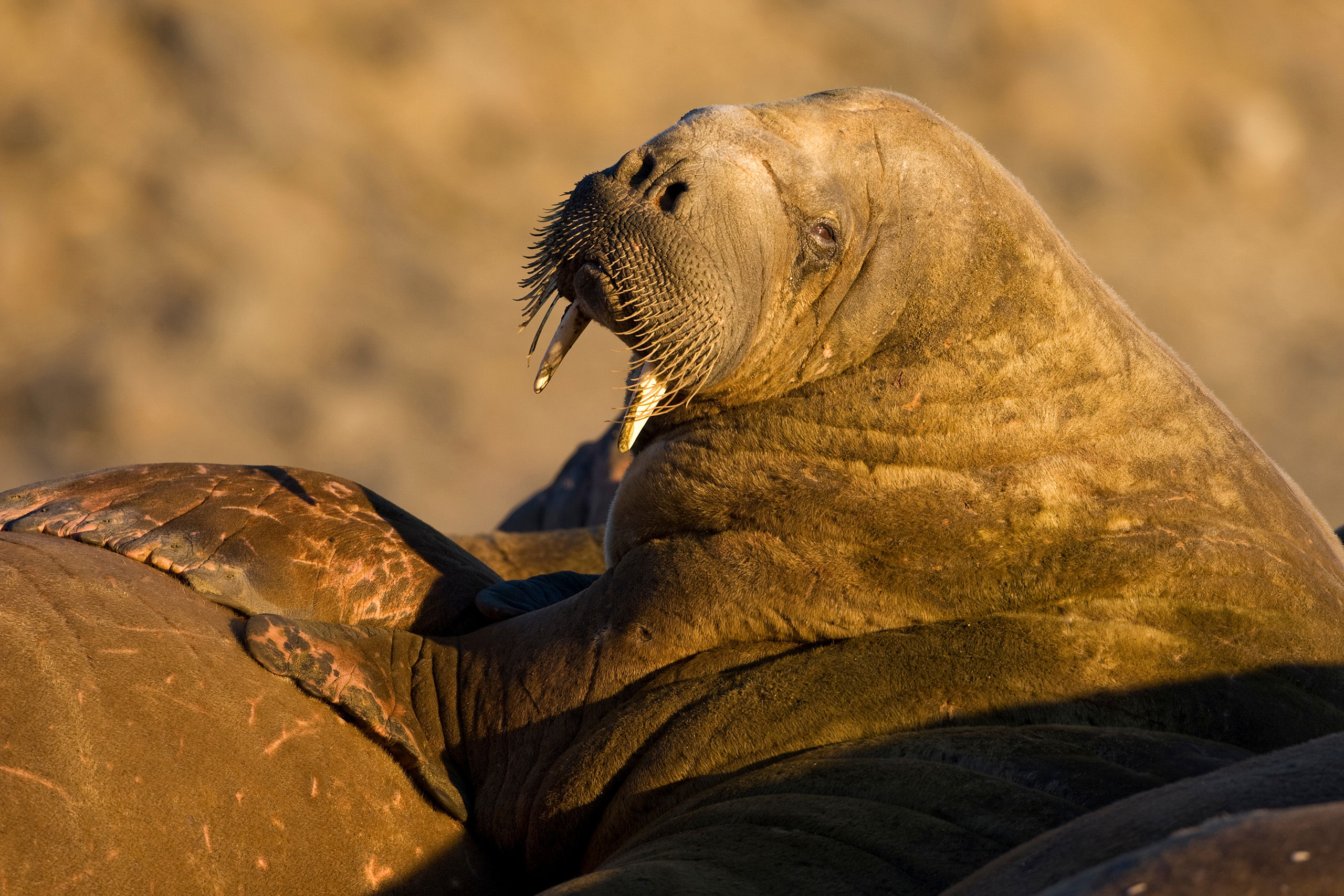
Midsummer is when most Svalbard and Spitsbergen itineraries operate at full capacity. Continuous daylight extends the hours available for Zodiac cruising and landings, sea ice has usually retreated enough to open more remote channels, and this window overlaps with strong sightings of walrus haul-outs, nesting seabird cliffs, and, particularly in June, narwhal activity in some fjord systems. Demand for these dates is correspondingly high, and premium cabin categories are the first to close out.
Shoulder season: May, early June, and September
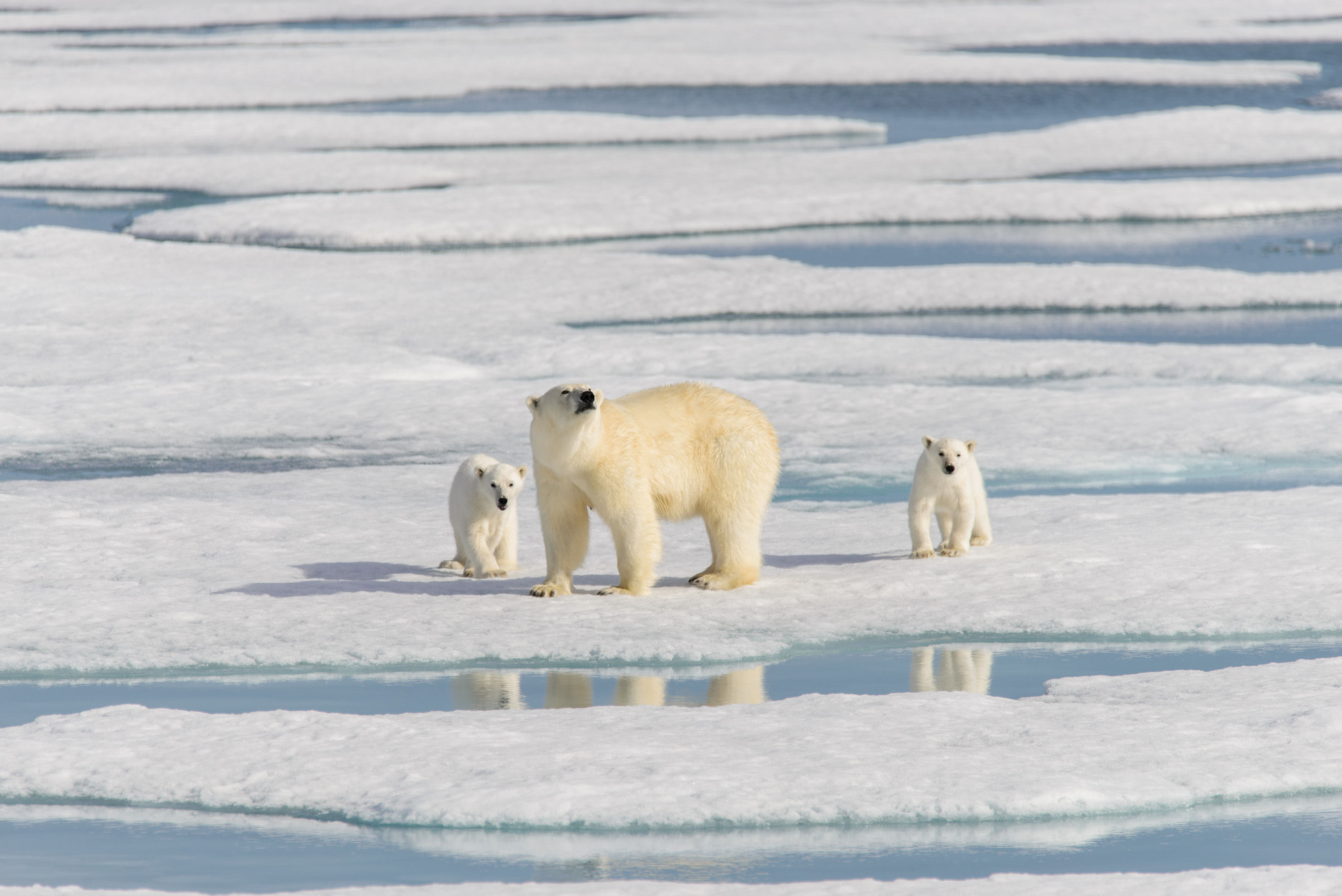
May and early June sailings often coincide with more extensive sea ice, which can increase the chances of encountering polar bears on the ice rather than only on land. September brings quieter ships, cooler temperatures, and, as nights lengthen, a growing chance of Northern Lights sightings on itineraries that extend toward the Norwegian coast. Shoulder-season fares generally run below peak summer pricing, though the gap varies more by operator and ship than it does in destinations with a longer sailing season.
The ideal booking window: 12 to 18 months out
What early booking actually secures
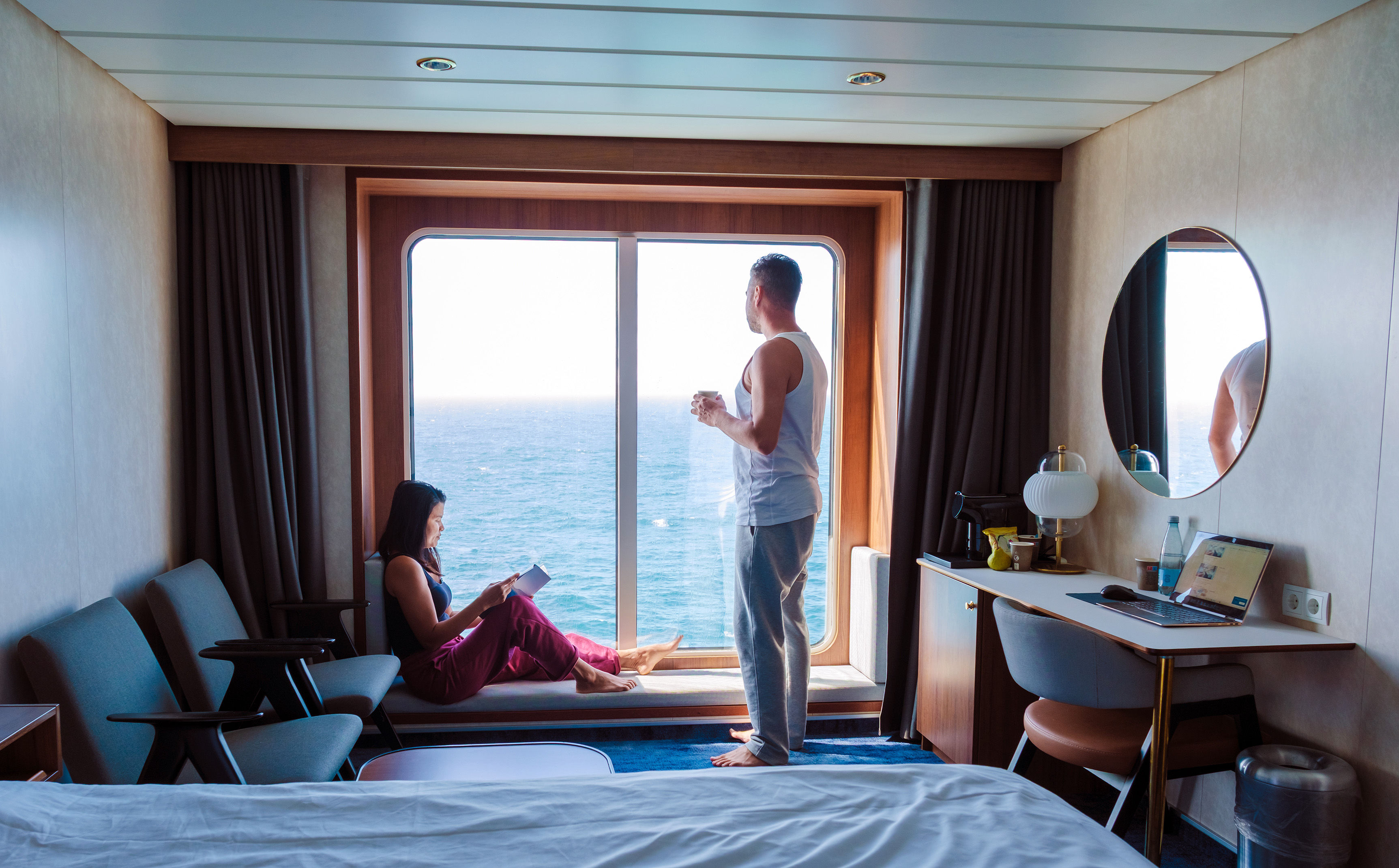
Booking 12 to 18 months ahead of a planned departure is a reasonable general target for an Arctic small-ship cruise, and for the most sought-after Svalbard and Spitsbergen dates, or for voyages that include kayaking or camping add-ons, planning even further out is common. Early booking secures a wider choice of cabin categories, avoids paying a premium single supplement that often applies once solo-traveler allotments are exhausted, and reserves a place on capacity-limited shore activities before they close.
Svalbard and Spitsbergen departures sell out fast
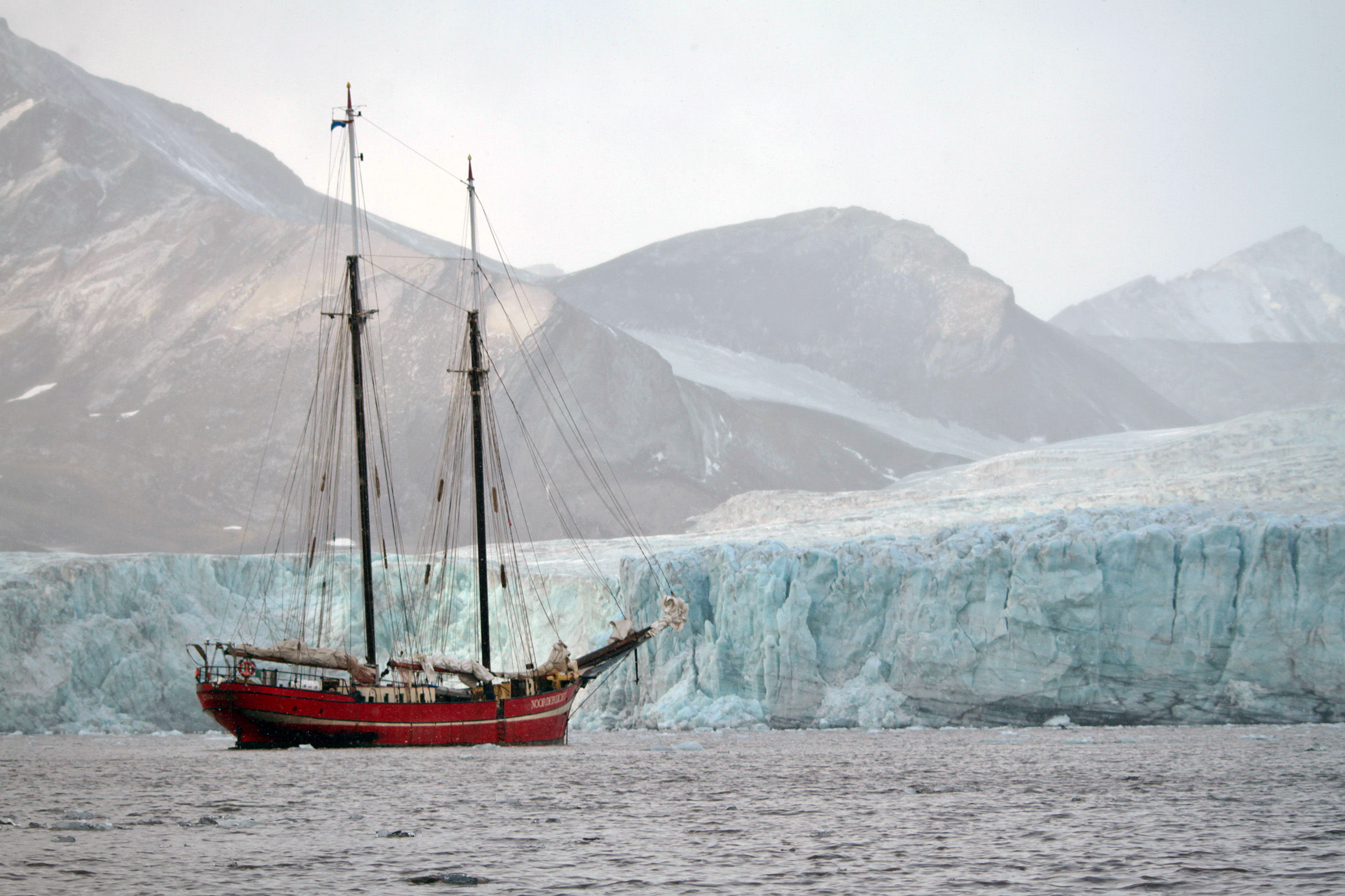
Departures timed around peak wildlife activity or the summer solstice are the first to fill, frequently a year or more before sailing. Because these ships carry only a limited number of cabins in each category, it is common for suites and twin cabins with private facilities to sell out well before the voyage is fully booked, leaving only a narrower range of options for travelers who wait. With only a limited number of expedition ships holding permits to operate in Svalbard's protected fjords each season, total departure capacity across the region stays modest even at the height of summer.
How prices move across the booking timeline
Early-bird period (12 to 18 months out)

This is when the full range of cabin categories is available and when early-booking incentives, where offered, tend to be strongest. In the small-ship Arctic market, early-booking savings of 10 to 30 percent are not unusual, though the exact figure depends on the operator, ship, and specific departure.
The middle window (6 to 9 months out)

By this stage, the most desirable cabins and any early-booking pricing have typically gone. Remaining fares tend to hold steady or rise, and choice narrows to whatever categories and dates are still open.
Last-minute reality for small ships

Unlike large ocean cruise ships, small Arctic expedition vessels rarely carry a meaningful amount of unsold premium inventory into the final weeks before departure. Late discounts, when they appear, are usually confined to entry-level cabins or to shoulder-season sailings rather than the peak midsummer departures travelers most want.
When last-minute booking can still work

Genuine last-minute value in the Arctic market usually requires flexibility on dates, cabin category, or specific itinerary. Shoulder-season sailings in May or September are more likely to carry late inventory than a July or August departure. Repositioning voyages, such as those connecting Norway's coast to Svalbard, can also be opened on shorter notice. Travelers pursuing this route should factor in the cost of flights to Longyearbyen or Tromsø, which tend to rise sharply as departure approaches and can offset much of any savings found on the cruise fare itself.
A practical Arctic cruise booking checklist
- Decide whether wildlife and daylight (June to August) or value and quieter ships (May or September) matter more for the trip.
- Rank cabin preferences, including whether a kayaking or camping add-on is a priority, before comparing prices across ships.
- For July or August departures, aim to book 12 to 18 months ahead, and earlier still for optional shore activities.
- Compare fares on an all-inclusive basis, checking which excursions, guiding, and gear are included in the published rate.
- Ask about solo-traveler cabins and single-supplement terms early, since these allotments are limited and fill up quickly.
- If flexible on dates, monitor shoulder-season and any late-release inventory rather than waiting for peak-summer departures.
Matching your booking window to the itinerary
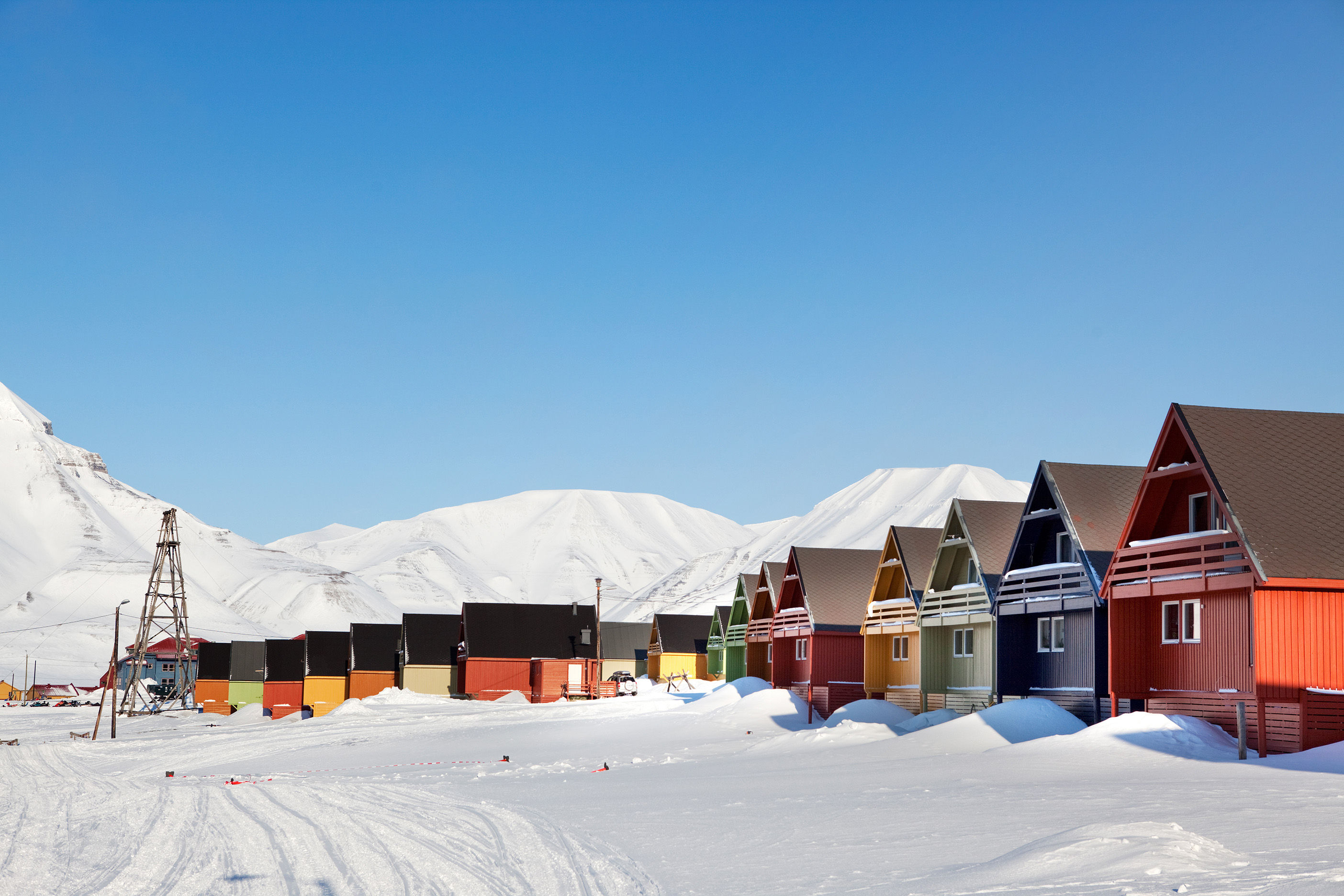
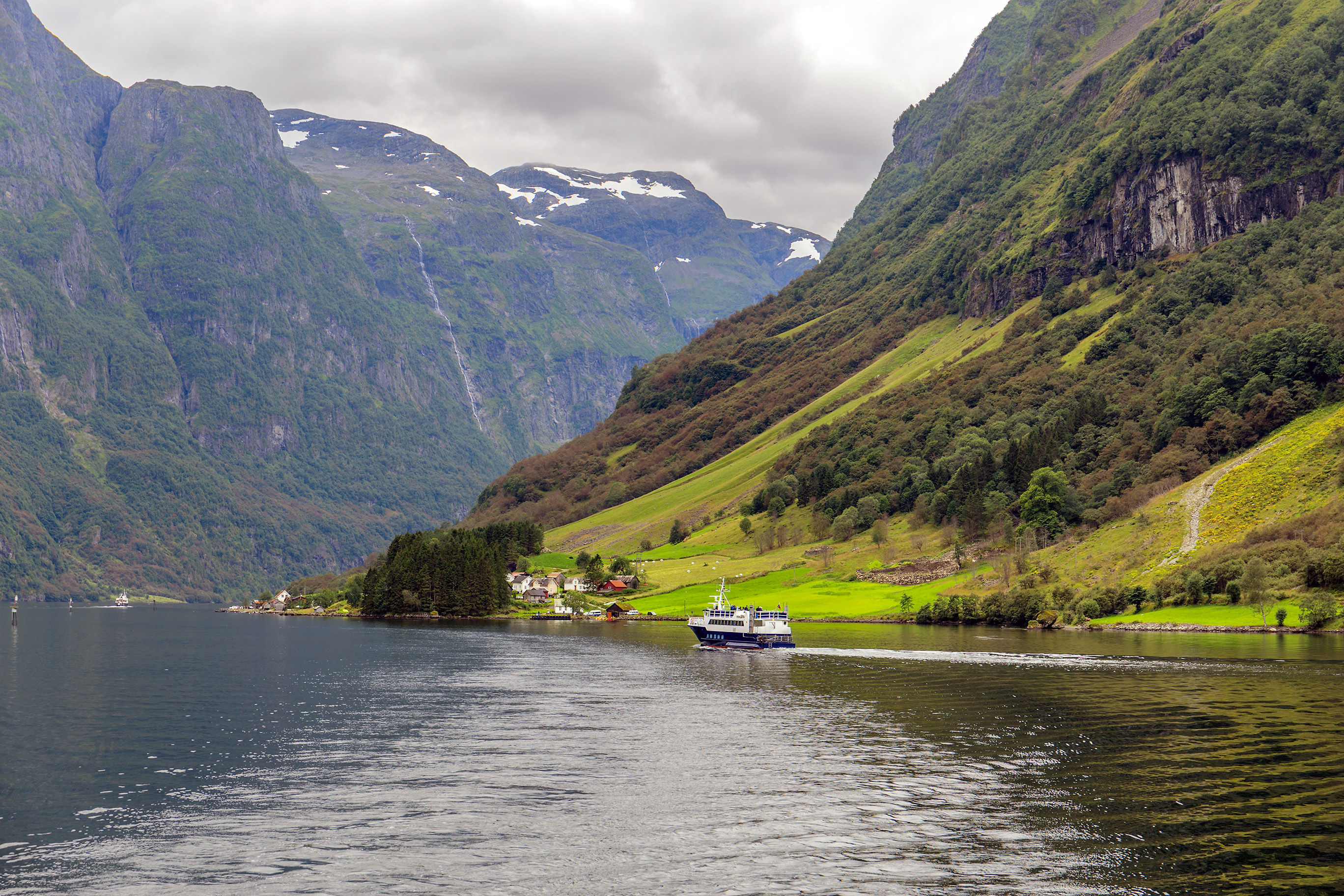
Not every Arctic itinerary follows an identical booking pattern. A dedicated Svalbard or Spitsbergen circumnavigation, built around polar bear and walrus sightings, draws the earliest and heaviest demand and rewards the longest lead time. Itineraries that combine the Arctic with Norway's fjords, often departing from or returning to Tromsø, can offer more flexibility, since these routes sometimes release additional capacity or introduce new departures later in the planning cycle. Travelers weighing a Norwegian add-on alongside their Arctic plans may also find it useful to compare against a dedicated Norway fjord cruise.
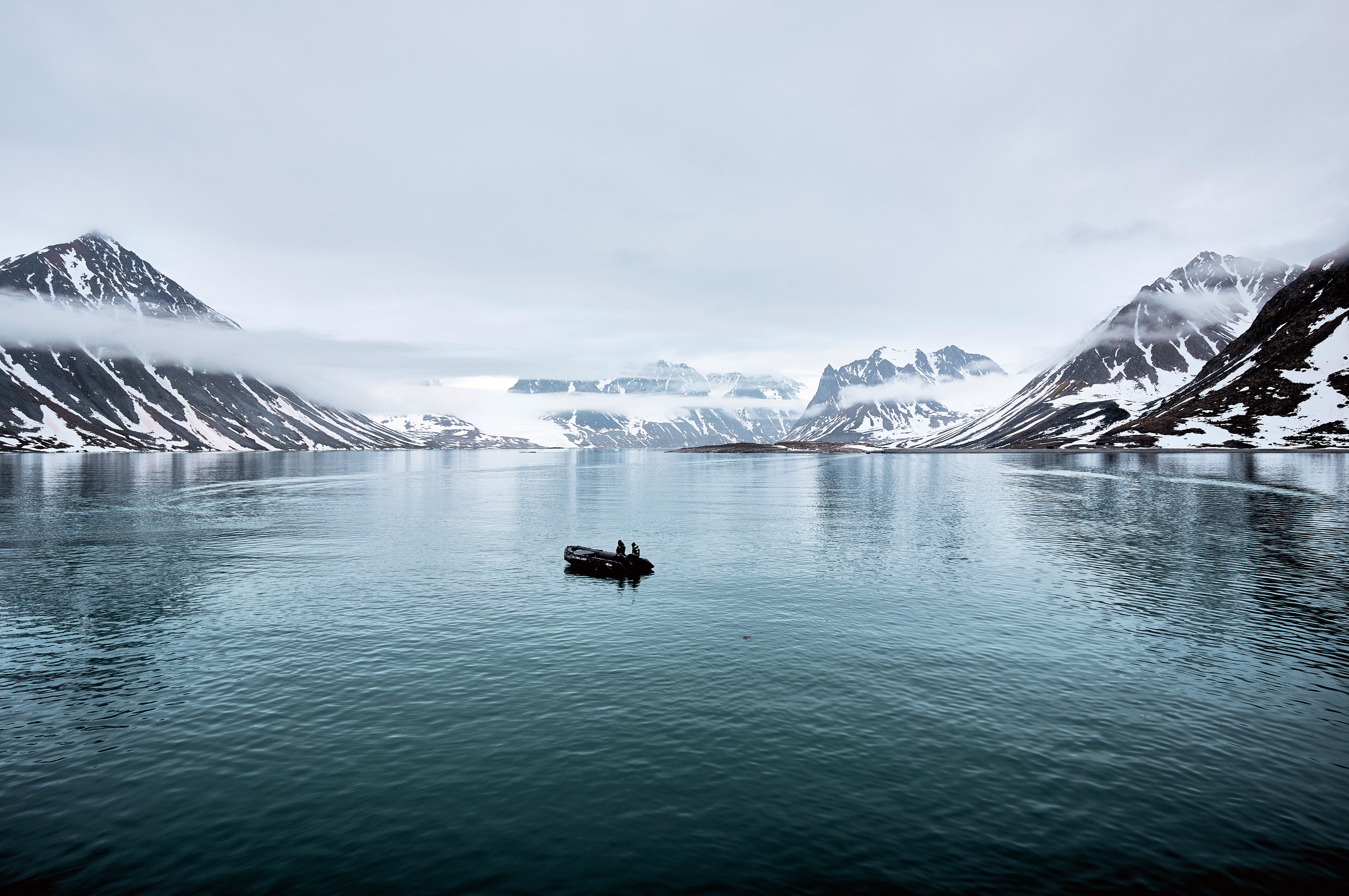
Some voyages extend further west toward the ice-scoured fjords of eastern Greenland. That coastline typically clears later in the season than Svalbard, so a combined Svalbard-Greenland itinerary can carry its own, later booking rhythm, and it is worth confirming with the operator which leg of the voyage is driving the sailing dates before locking in a booking window. Whichever route is chosen, matching the booking window to the demand for that specific itinerary, rather than applying a single rule to every Arctic departure, yields the most reliable result.
Travelers planning multiple small-ship trips in the same season may also find it useful to compare timing strategies across destinations; the approach to booking an Alaska small-ship cruise follows a similar logic, adjusted for a different season and a different set of wildlife highlights.
Frequently asked questions
How far in advance should I book an Arctic small-ship cruise?
Booking 12 to 18 months ahead of a planned departure is a reasonable general guideline, and popular Svalbard and Spitsbergen dates, along with kayaking or camping add-ons, are often reserved even earlier.
Is it cheaper to book early or wait for a last-minute deal?
Early booking generally offers better overall value on small Arctic ships. Last-minute discounts, when available, tend to apply to entry-level cabins and shoulder-season sailings rather than peak-summer departures.
What's the least expensive time to cruise the Arctic?
May, early June, and September sailings typically cost less than departures in late June through August, though the exact gap varies by operator and ship.
Do Svalbard and Spitsbergen departures sell out?
Yes. Popular midsummer departures, along with premium cabin categories and limited-capacity activities such as kayaking or camping, can sell out a year or more in advance.
What's included in small-ship Arctic cruise pricing?
Fares typically bundle Zodiac excursions, expedition-guide and naturalist services, and shore landings into the published rate, which is why comparing small-ship fares directly against other cruise types can be misleading.
Is shoulder-season Arctic cruising worth it?
It can be. May and early June often bring more extensive sea ice and more active wildlife, while September offers quieter shipping and a growing chance of Northern Lights sightings on itineraries extending toward the Norwegian coast.
This article was developed with AI assistance and reviewed and edited for accuracy, quality, and relevance.