Antarctica's Shoulder Season: The Best Time to Cruise
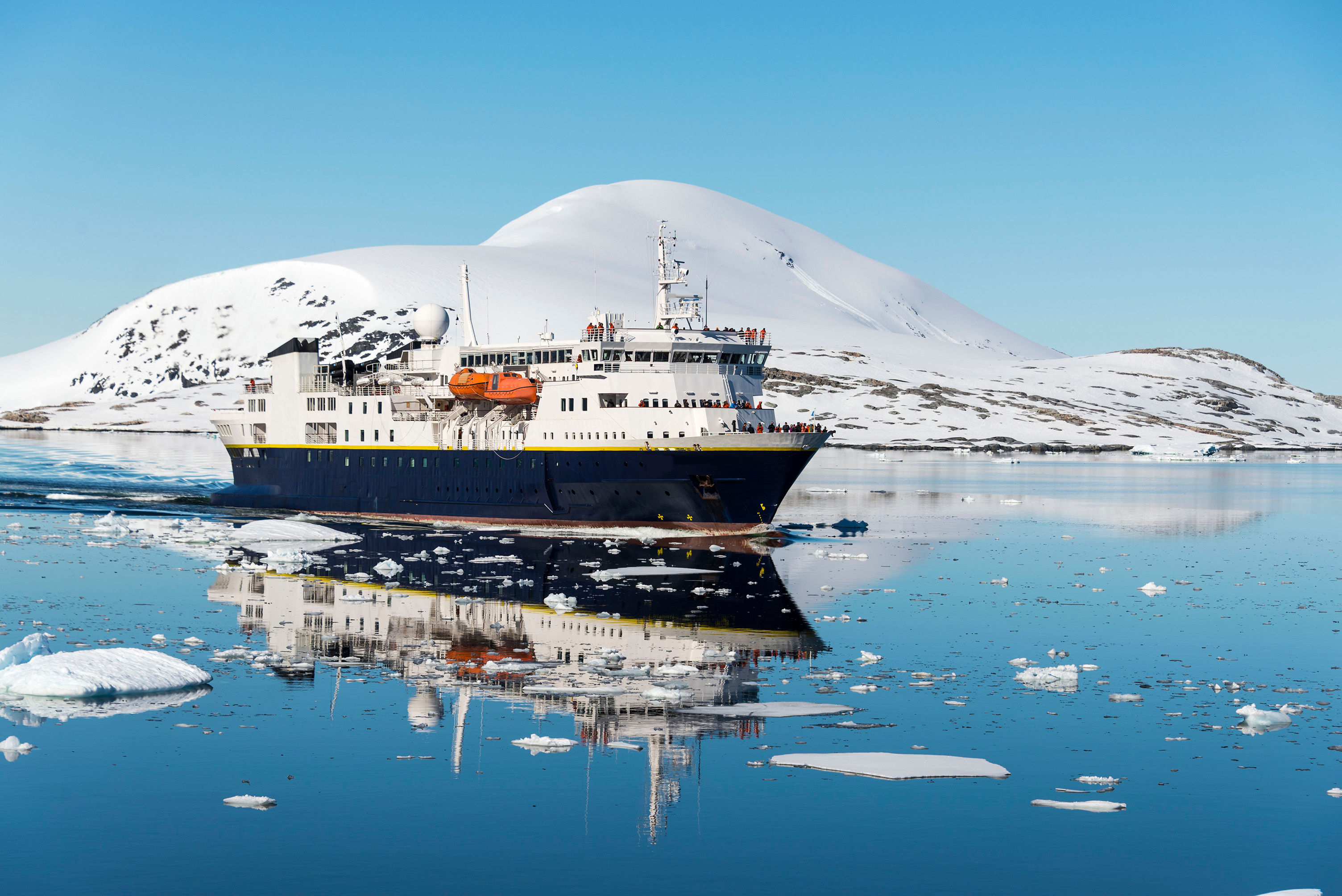
These shoulder months are not simply a discount version of peak season. Each has its own rhythm, driven by what the wildlife is doing and how far the sea ice has retreated. Understanding those differences, rather than treating shoulder season as a single interchangeable block, is key to choosing the right voyage.
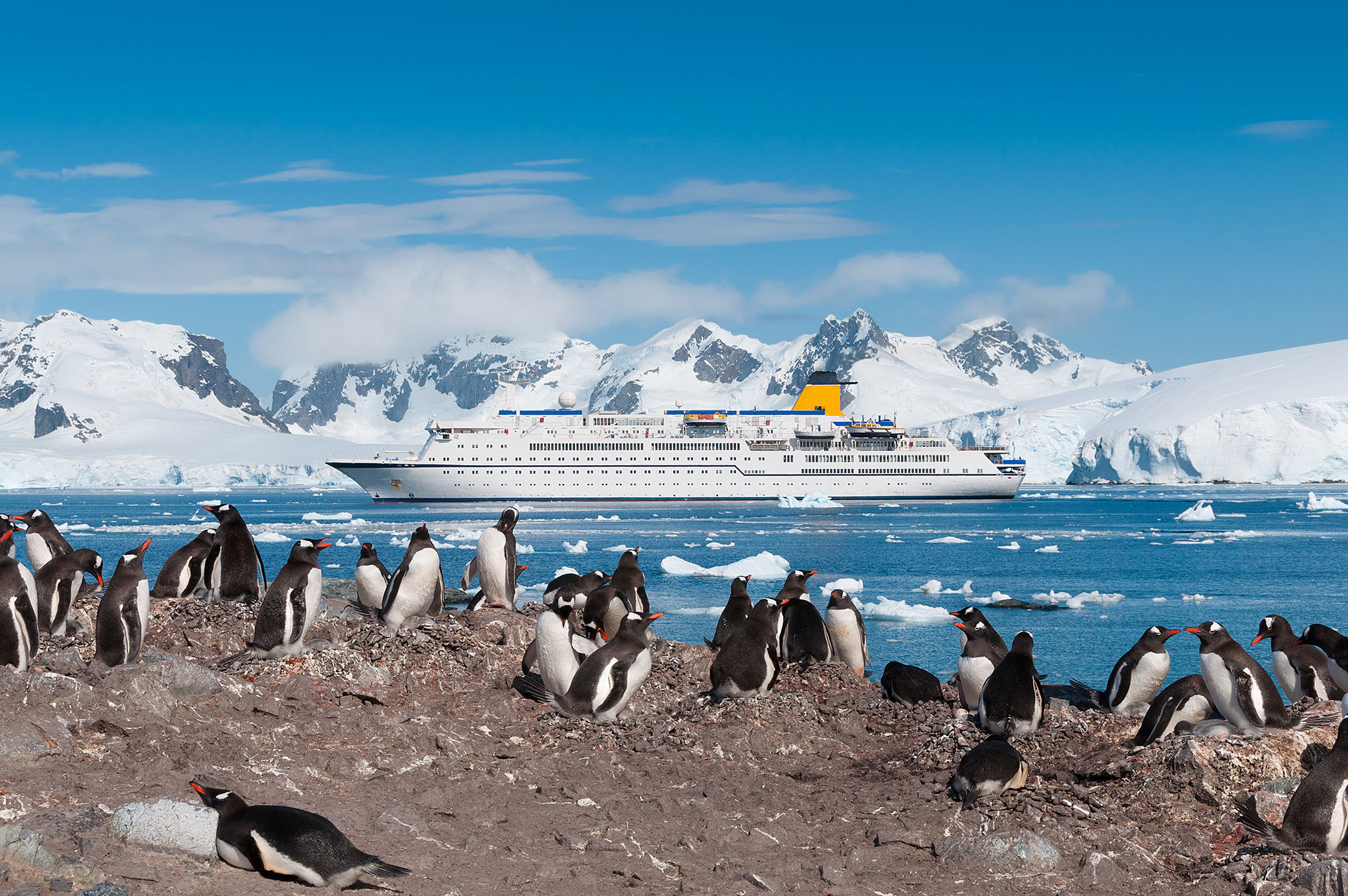
Antarctica has no true off-season. Between November and March, the continent shifts from a snow-locked spring to a whale-thronged autumn, and expedition ships track that change from the tip of South America down through the Drake Passage to the Antarctic Peninsula. Most travelers picture December and January: near-endless daylight, downy penguin chicks, and decks crowded with binoculars. Fewer picture the months bracketing that peak, yet November and March offer some of the richest wildlife encounters of the entire season, along with lower fares and considerably quieter landing sites.
What counts as shoulder season in Antarctica
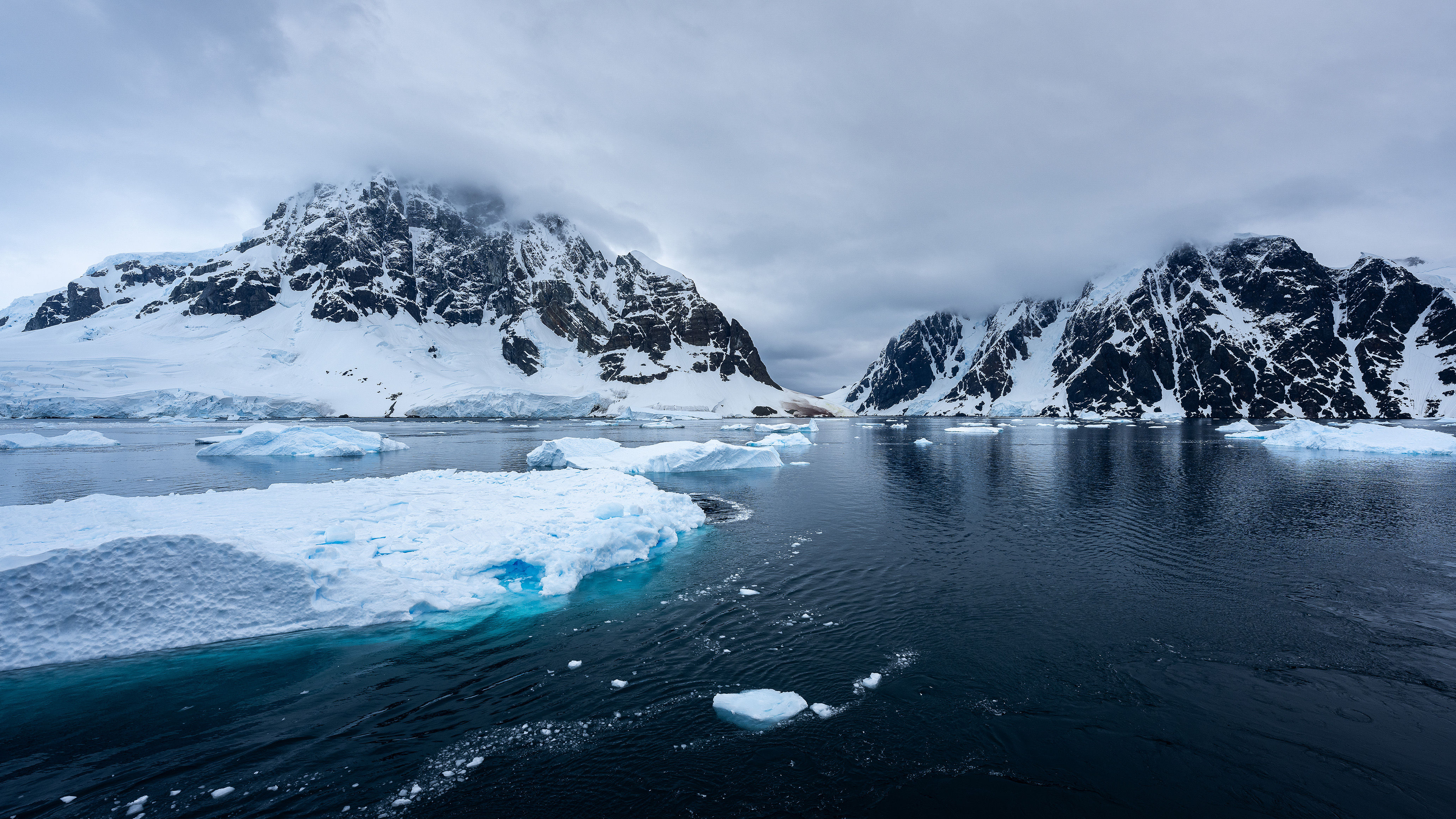
The Antarctic cruise season runs from November through March, bookended by the Southern Hemisphere's spring and autumn. December through February make up the peak, when temperatures are mildest, daylight is nearly continuous, and ship traffic is heaviest. November, at the start of the season, and March, at its close, form the two shoulder windows.
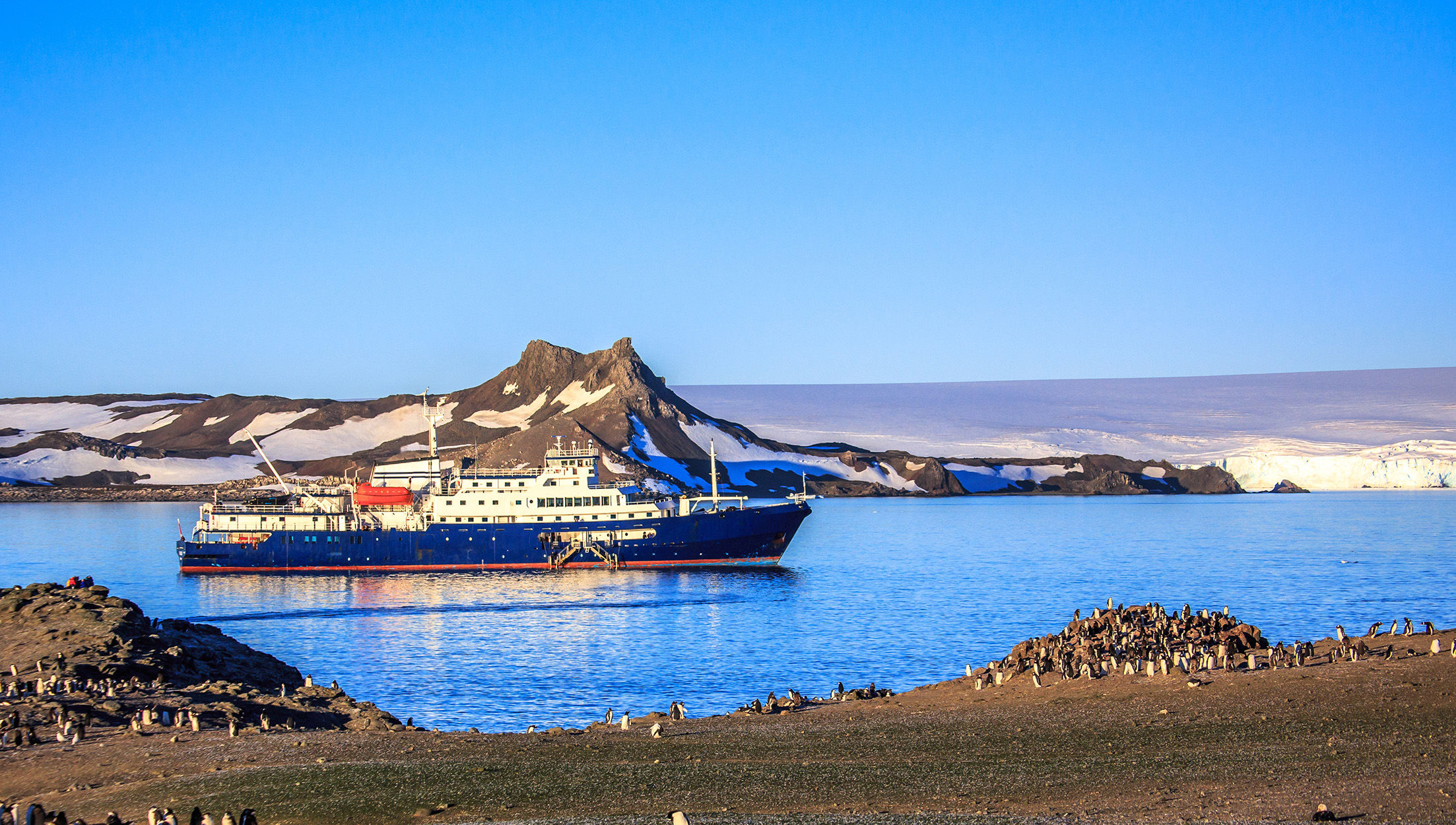
These two months sit on opposite sides of the same curve, but the wildlife calendar makes them feel like different destinations. November is about arrival and courtship; March is about departure and adaptation. Both trade a degree of daytime warmth for space, light, and a landscape that feels less discovered.
Cruising in November: the spring shoulder season
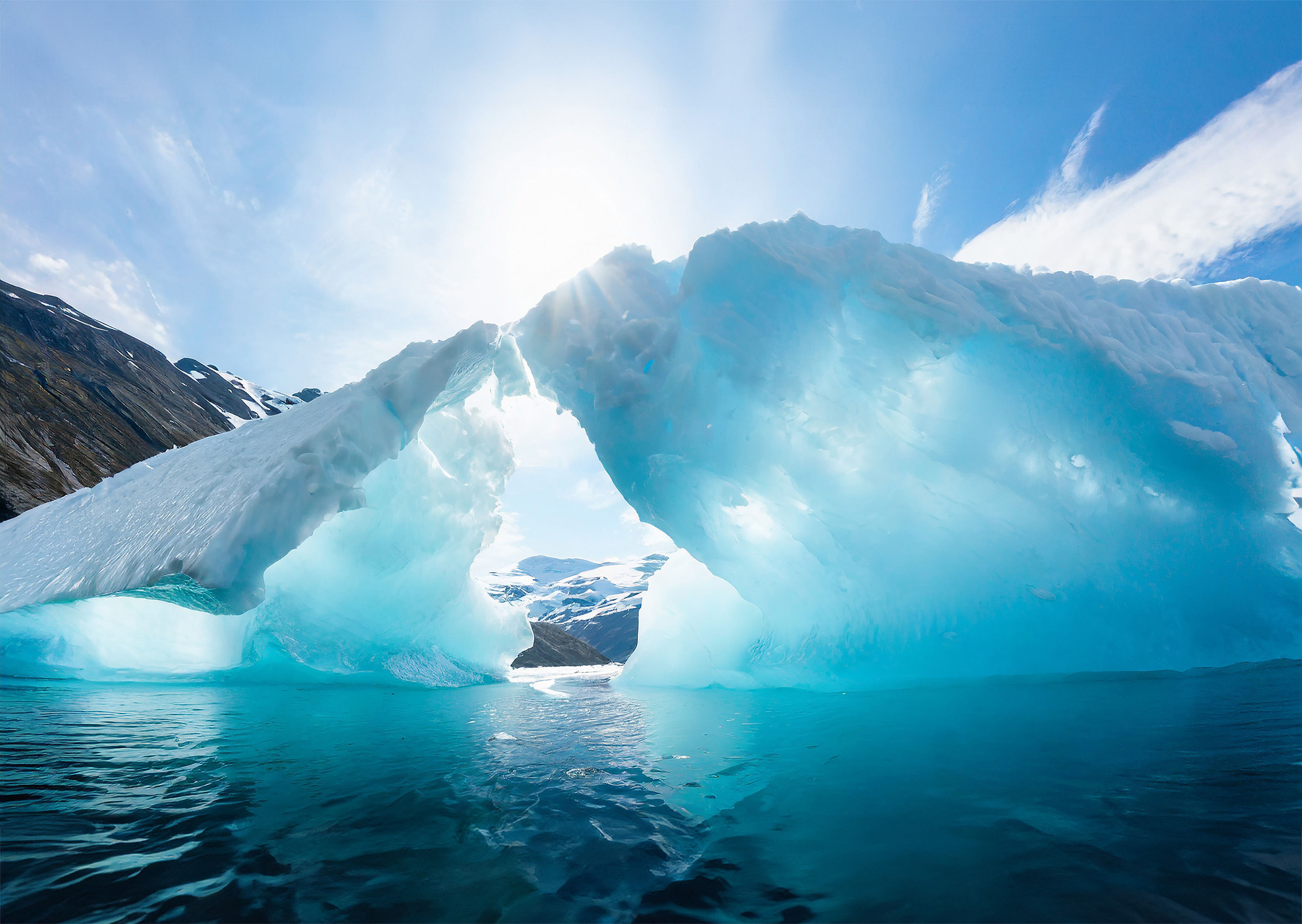
November marks the Antarctic Peninsula's emergence from winter. Daylight stretches to roughly 15 to 20 hours, and average temperatures hover around -1°C (30°F), cold enough to keep the season's deep snow largely intact. Pack ice and glacial ice remain extensive, limiting some routes but rewarding travelers with a landscape still in its unspoiled, sculptural winter form.
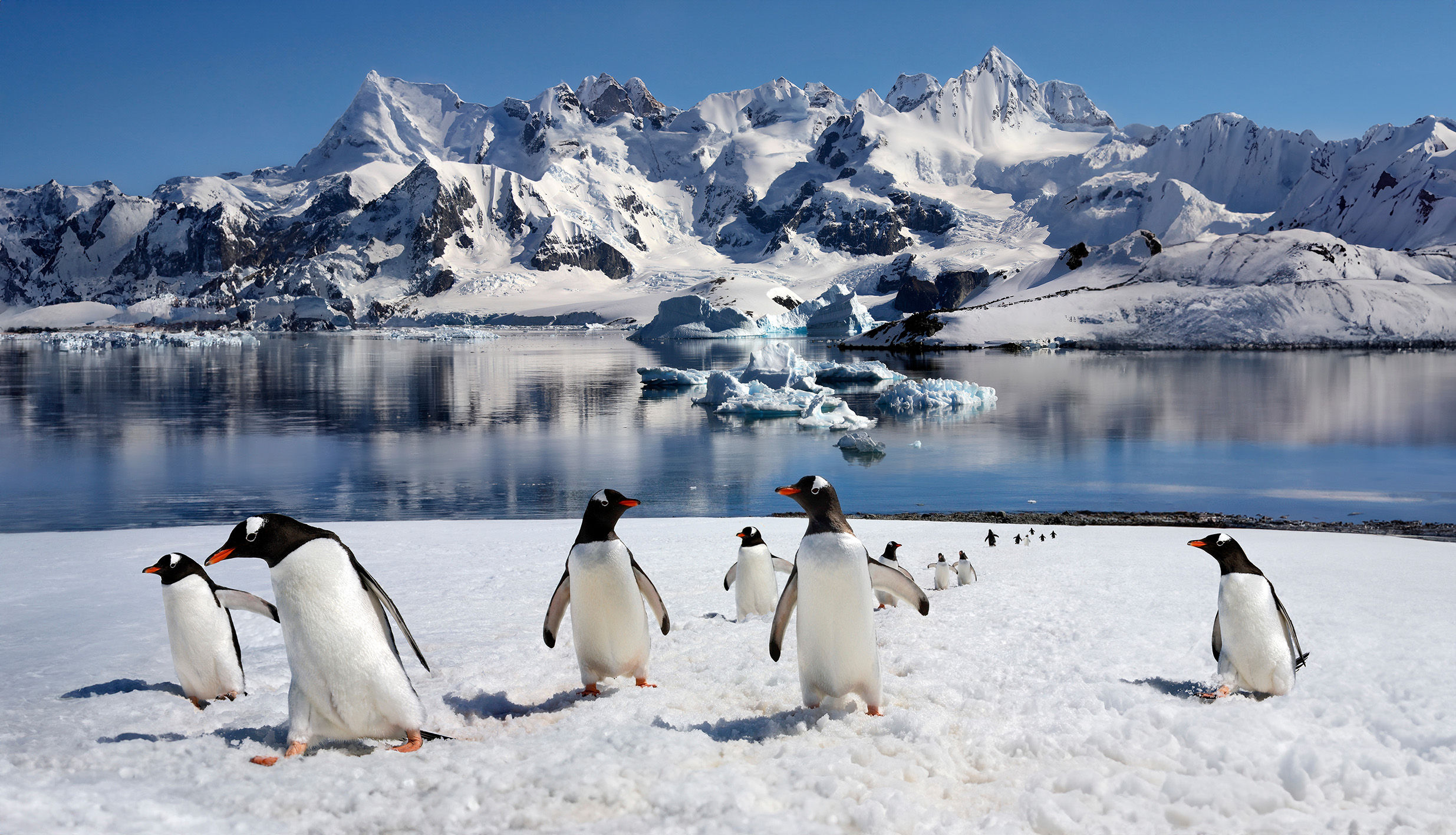
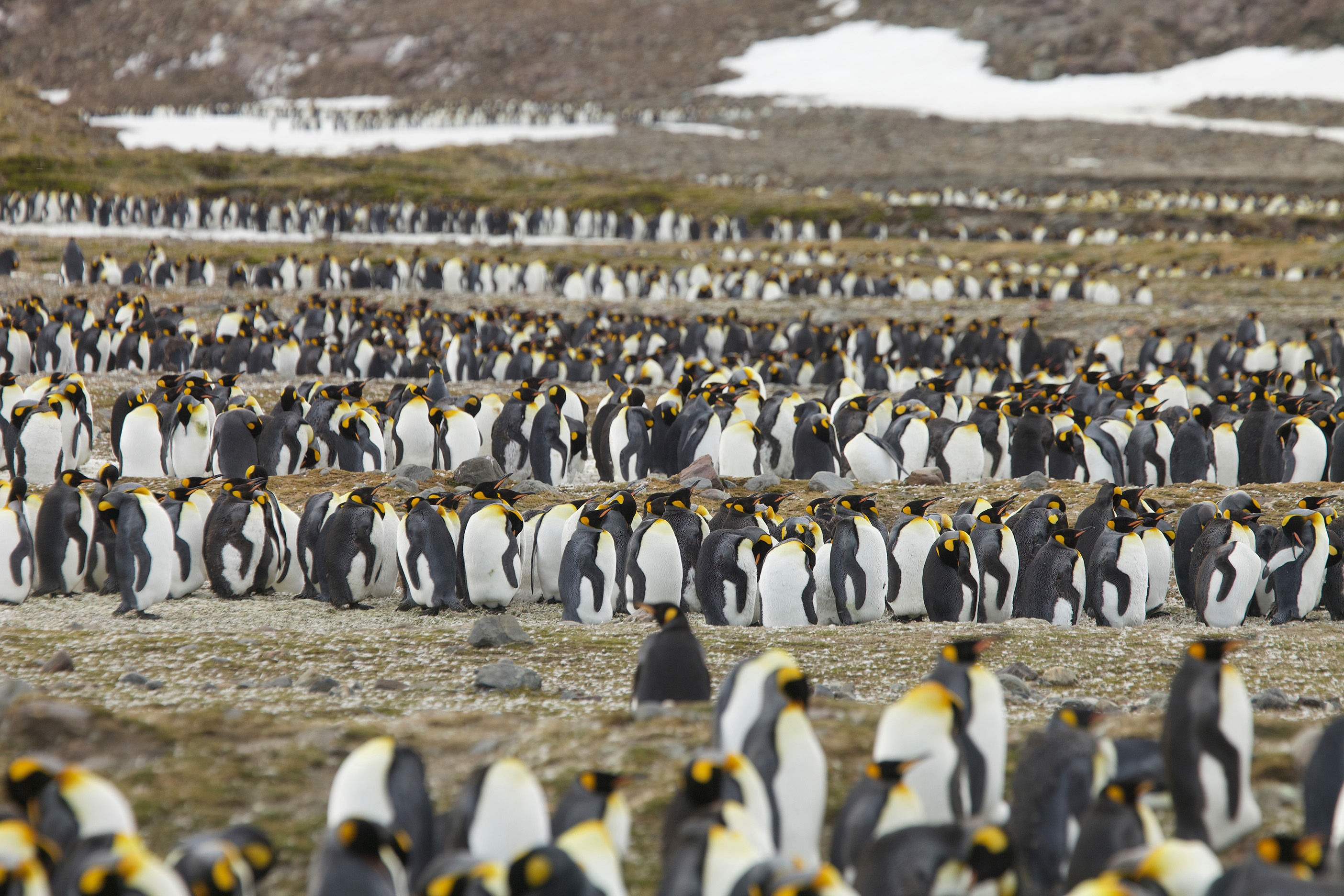
Wildlife activity in November centers on arrival rather than abundance. Gentoo, chinstrap, and Adélie penguins return to their colonies to court and build nests, while fur seals and elephant seals begin establishing territory on the beaches of the South Shetland Islands and South Georgia. Whale sightings are less frequent this early in the season, since most baleen and toothed whales are still completing their northward migration.
Wildlife and photography highlights in November
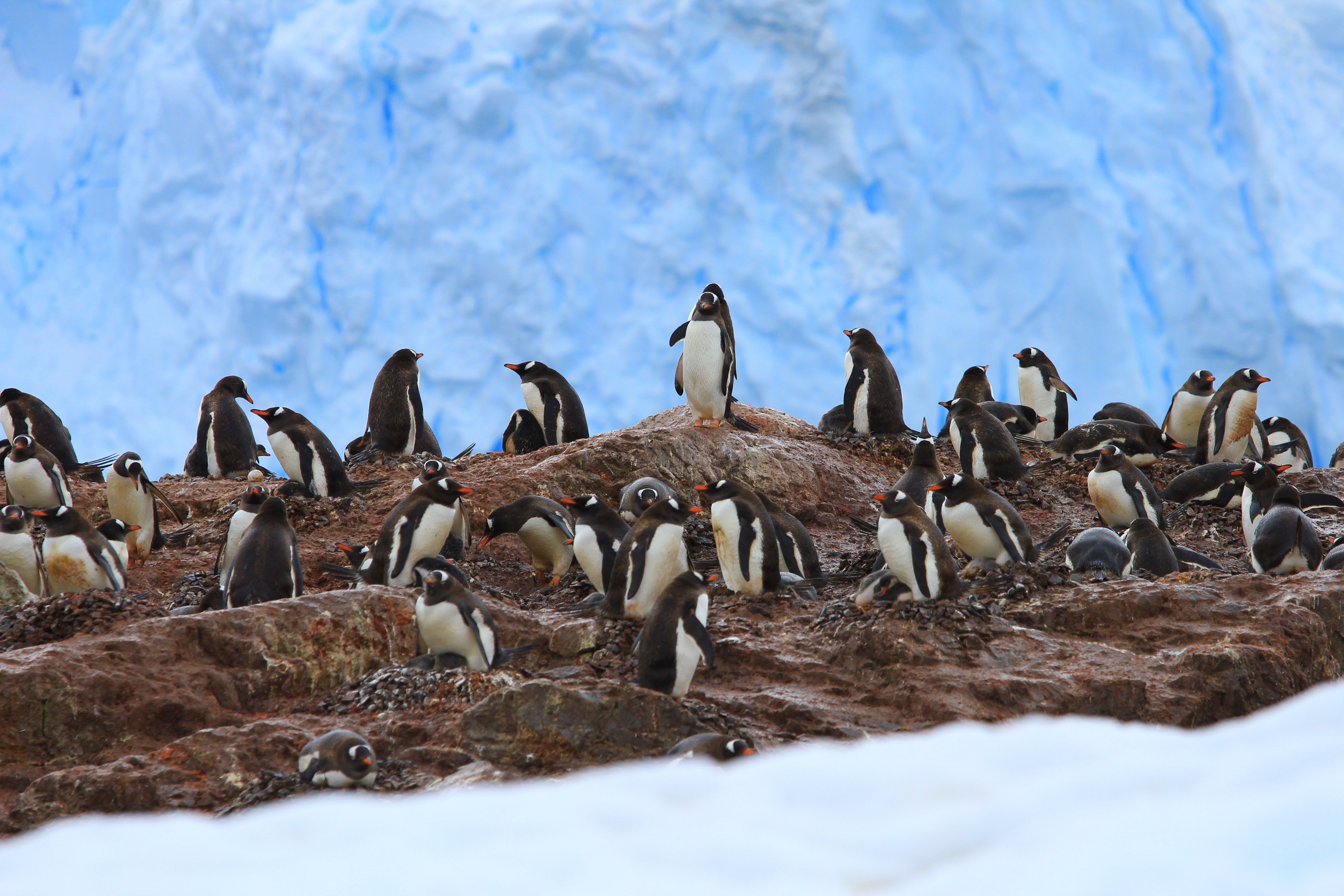
Photographers tend to favor November for its low-angled light and the visual drama of pristine snow, largely undisturbed by the season's later foot traffic. It is also the one month when a handful of specialized voyages can reach emperor penguin colonies near Snow Hill Island in the Weddell Sea, a destination that closes off as the season's sea ice breaks up later in the summer.
Ice and landing conditions in spring
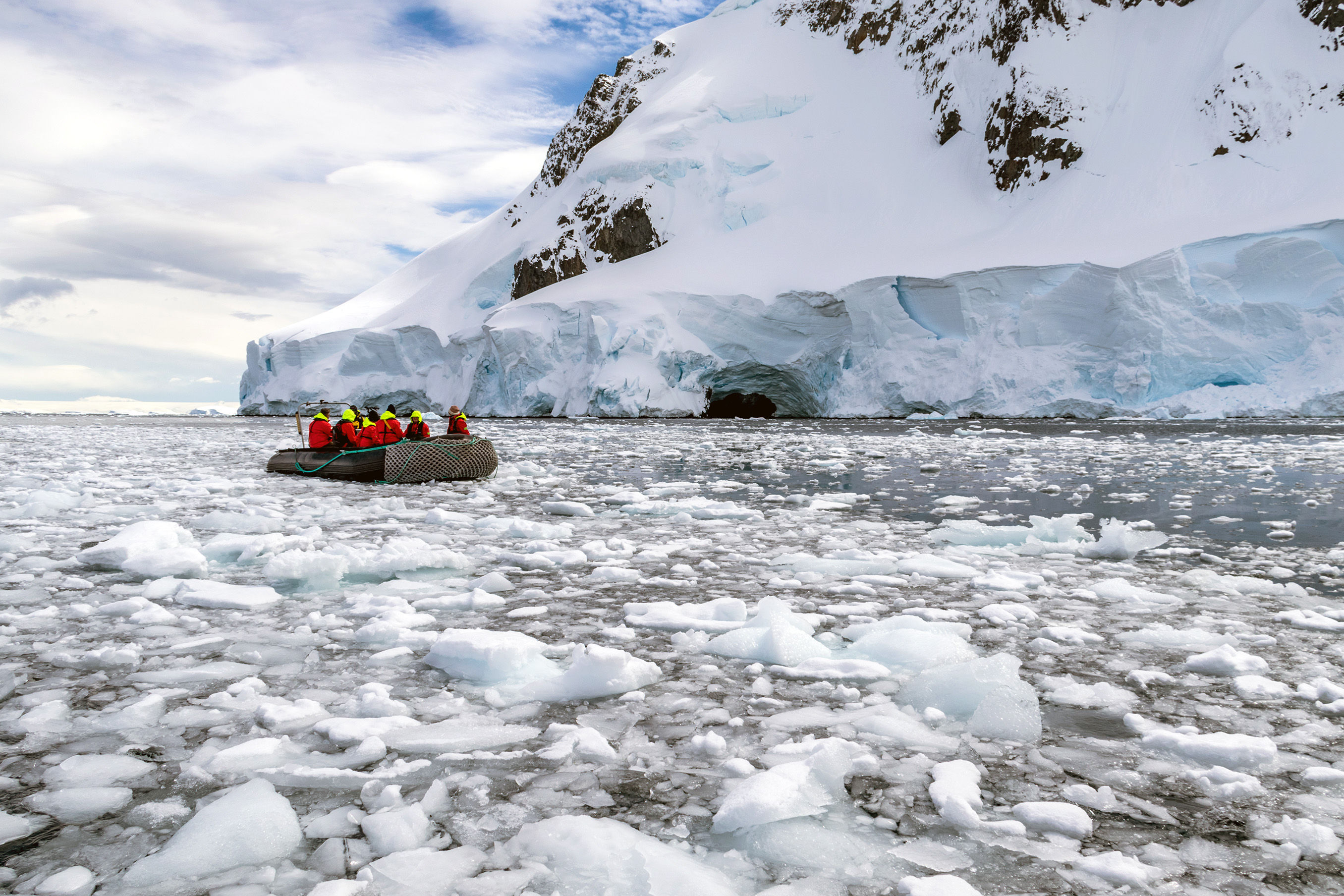
Extensive sea ice in November can restrict access to some bays and channels, and itineraries stay flexible to work around it. Expedition leaders adjust landing plans daily, which is standard practice throughout the season but especially relevant this early, when ice conditions vary sharply from one week to the next.
Cruising in March: the autumn shoulder season
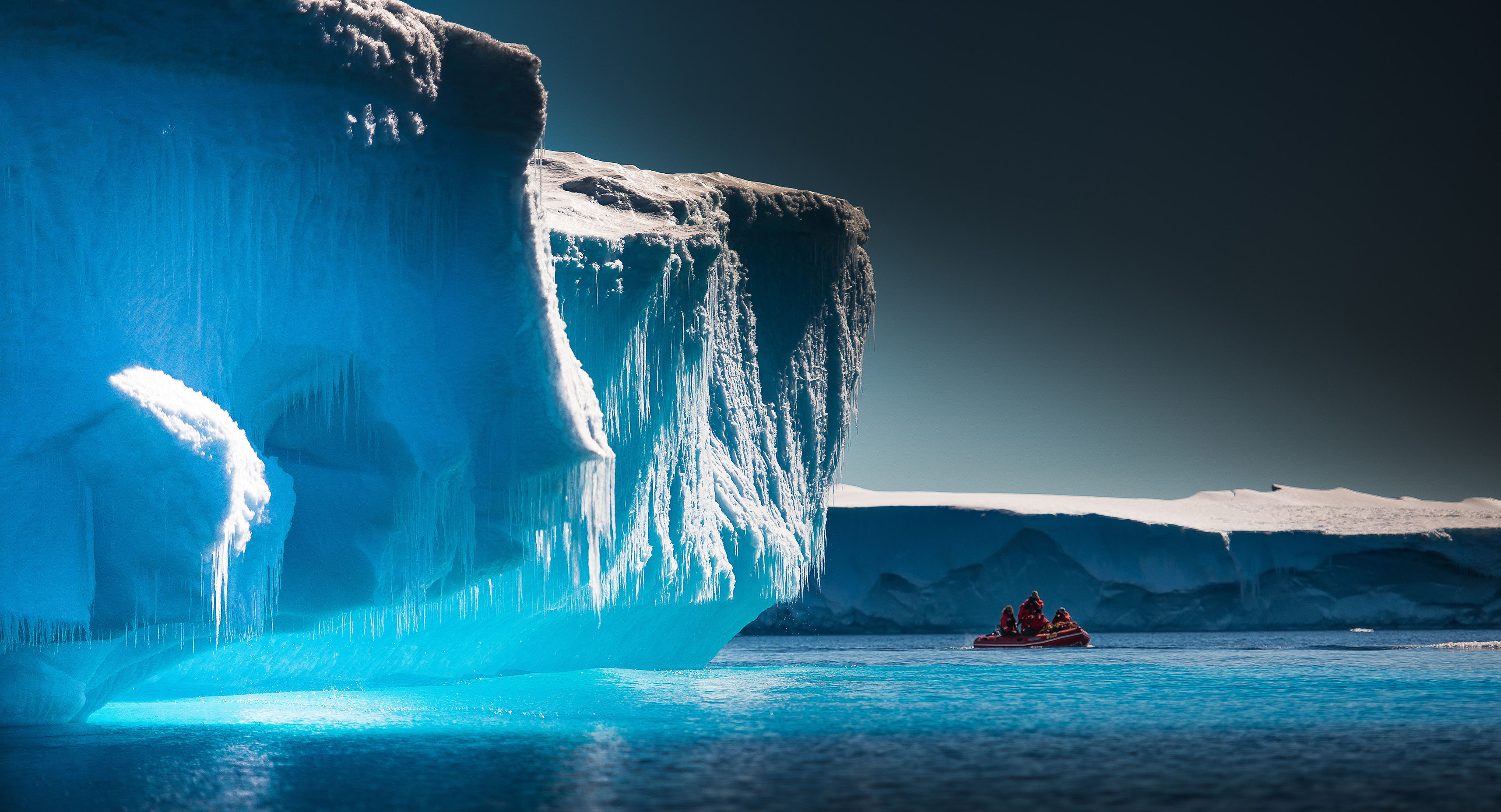
March closes the Antarctic cruise season as summer gives way to autumn. Daylight shortens to around 13 to 15 hours, and temperatures cool slightly, averaging near -2°C (28°F). Sea ice, having retreated to its seasonal minimum, opens up channels that were inaccessible earlier in the year, though operators note that March marks the effective end of the travel season before conditions close in again.
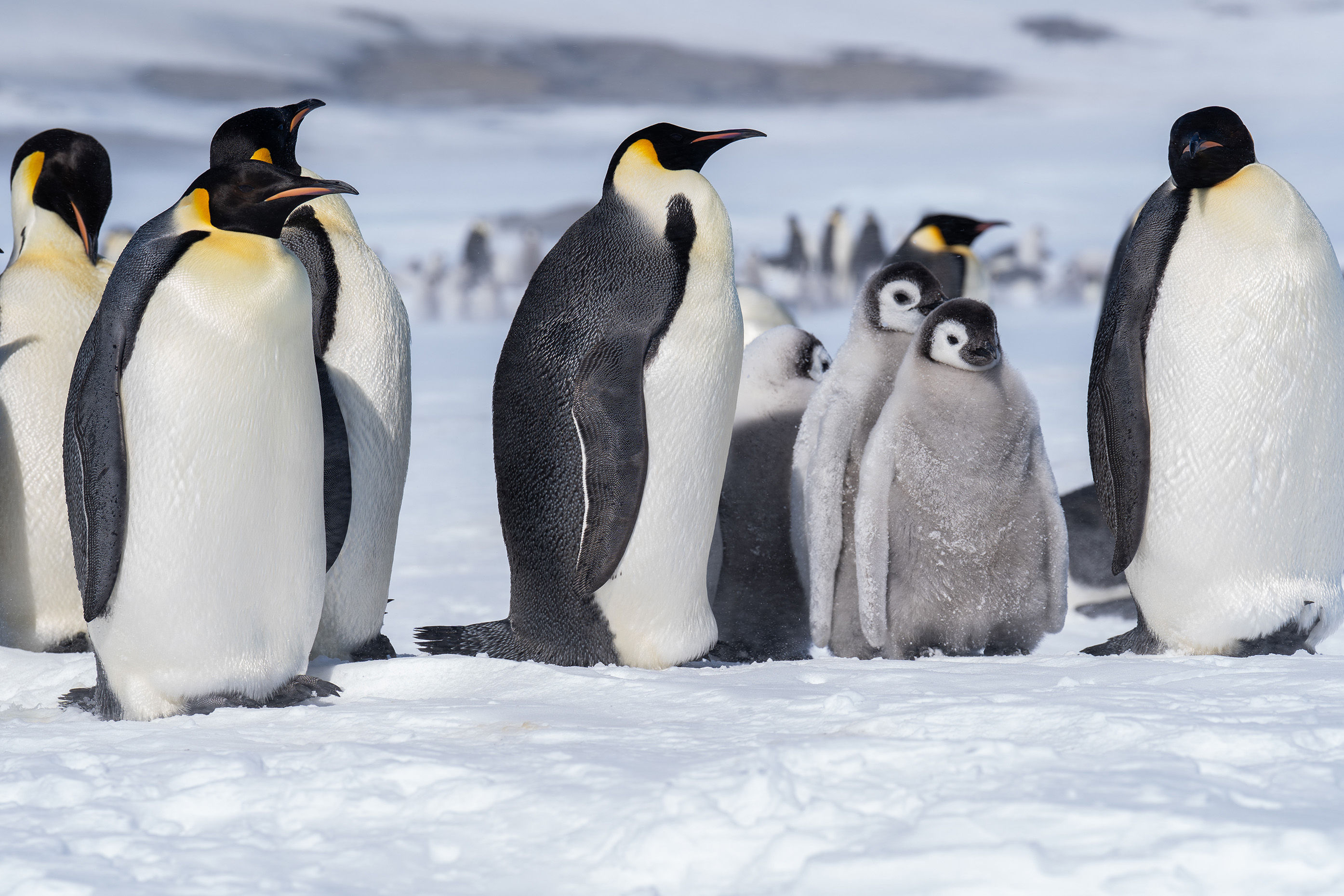
By this point, penguin chicks are largely grown and beginning to fledge, trading downy feathers for the waterproof plumage that lets them enter the sea. Adult penguins undergo their own molt, a vulnerable period when they cannot swim or feed and instead gather onshore. The most notable shift, though, is in the water: humpback and orca activity typically peaks in March, as whales feed intensively before their own migration north.
Whale-watching advantages in late season
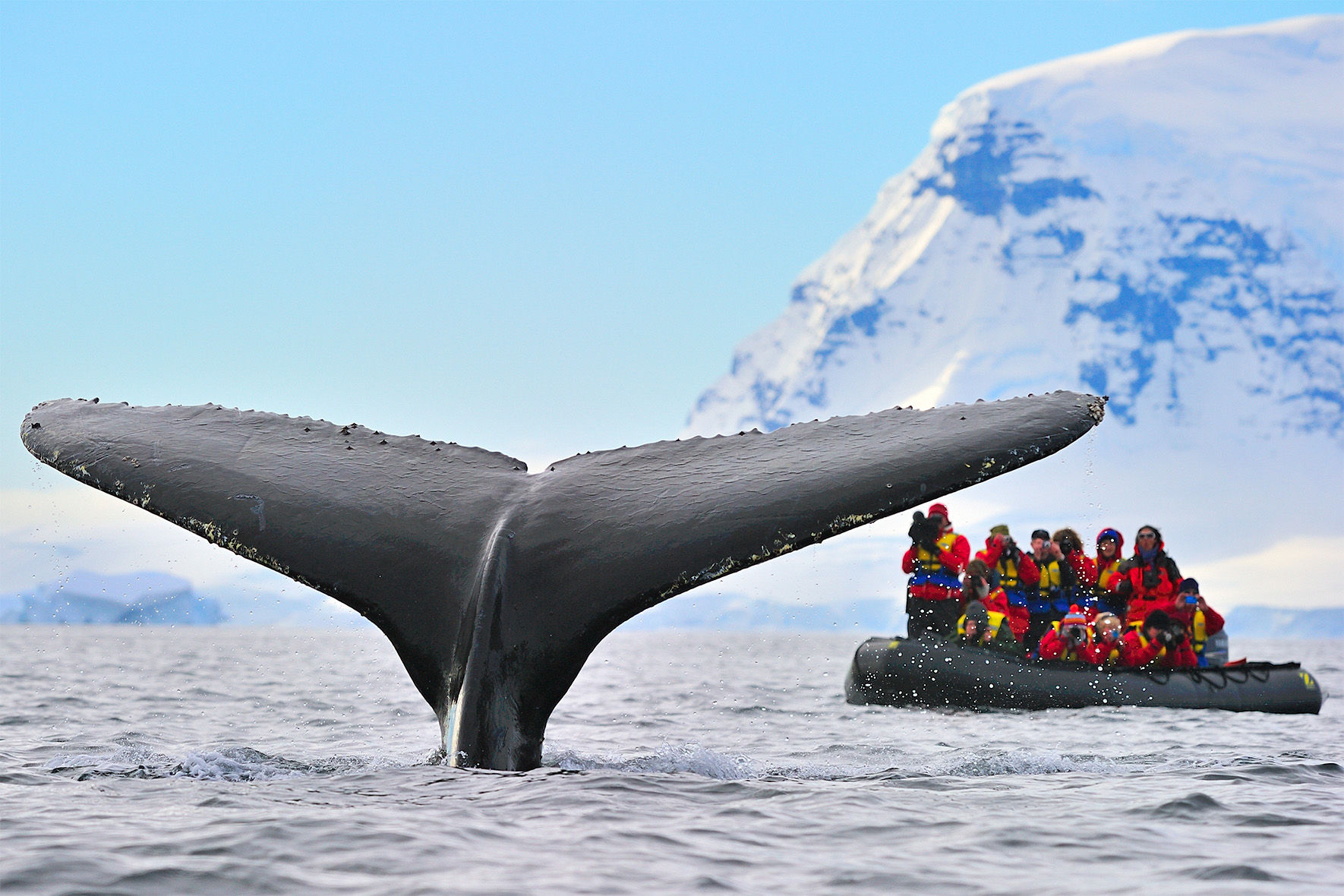
Multiple operators and Antarctic guides describe March whale activity as outstanding, with humpbacks in particular often approaching ships and Zodiacs out of curiosity as they bulk up on krill. For travelers whose main goal is a close whale encounter rather than maximum penguin-chick density, March is generally considered the stronger month.
Penguin colonies in autumn
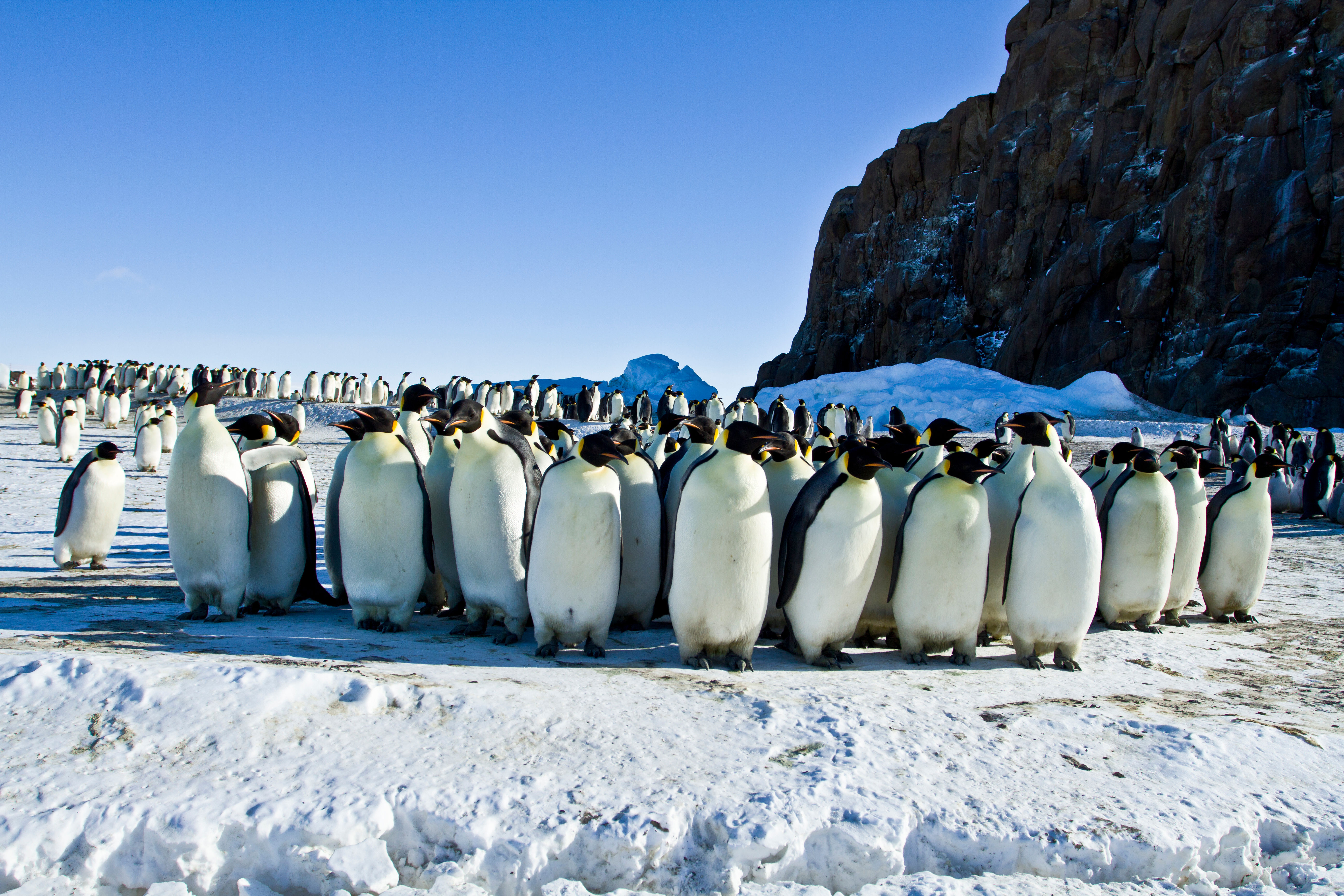
Colonies look markedly different in March than in December. Chicks are near-adult-sized and increasingly independent, while molting adults stand in tightly packed groups onshore to conserve energy. It is a less classically "cute" stage of the penguin calendar than midsummer, but a scientifically interesting one, and colonies are calmer with the peak-season crowds gone.
Shoulder season versus peak season
The clearest way to weigh the trade-offs is side by side. Fares in the shoulder months typically run about 10 to 15 percent below the December and January peak, driven partly by lower demand and partly by the narrower range of destinations some ice conditions allow.
| Factor | November (Spring) | March (Autumn) | December–February (Peak) |
|---|---|---|---|
| Daylight | ~15–20 hours | ~13–15 hours | Up to 24 hours |
| Average temperature | Around -1°C (30°F) | Around -2°C (28°F) | Near or occasionally above freezing |
| Wildlife focus | Courtship, nest-building, colony arrivals | Fledgling chicks, molting adults, peak whale activity | Egg-laying through peak chick-rearing; growing whale numbers |
| Sea ice and access | Extensive; some routes restricted | At the seasonal minimum, more channels open | Receding through the season, broadest access, including deeper Antarctic Circle routes in February |
| Fares | Lower than peak | Among the lowest of the season | Highest, especially late December into January |
| Ship traffic | Lighter | Lightest of the season | Heaviest, particularly over the holidays |
Choosing the right shoulder-season itinerary
Route and timing are closely linked. Antarctic Peninsula itineraries, the most common option, are workable in both shoulder months, though November's heavier ice may keep ships to the more sheltered channels along the peninsula's western side. Voyages that combine the peninsula with South Georgia and the Falkland Islands tend to suit November particularly well, since South Georgia's king penguin and albatross colonies are already engaged in breeding by spring.
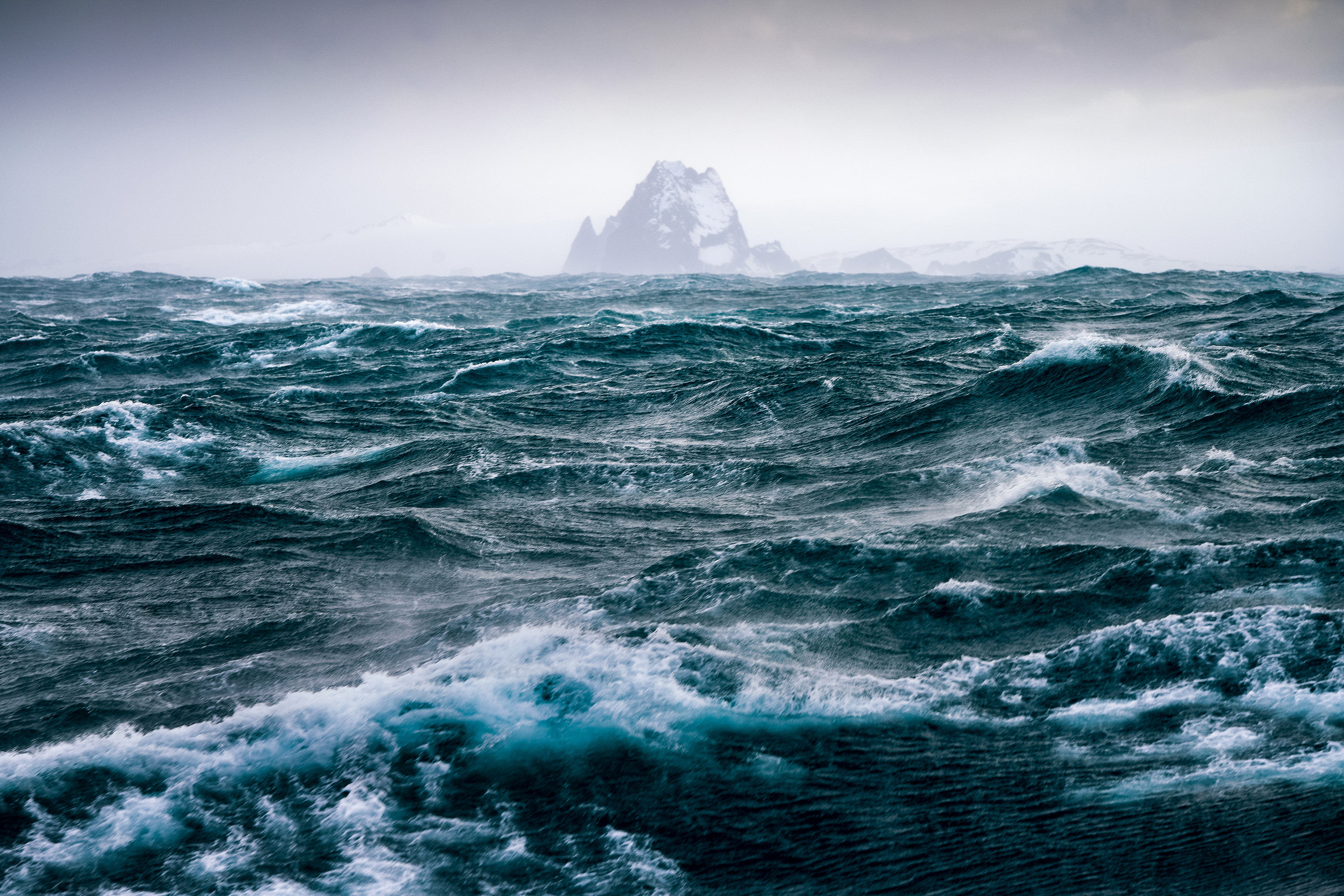
When comparing shoulder-season departures, it is worth asking an operator directly about expected ice conditions for that specific sailing, how landing sites are selected day to day, ship size and passenger count (smaller expedition ships generally allow more frequent landings), and whether the voyage crosses the Drake Passage by sea or offers a fly-cruise option that shortens the crossing. Conditions on the Drake Passage vary by voyage and cannot be predicted precisely for any given date in any month of the season.
Planning and packing for shoulder season
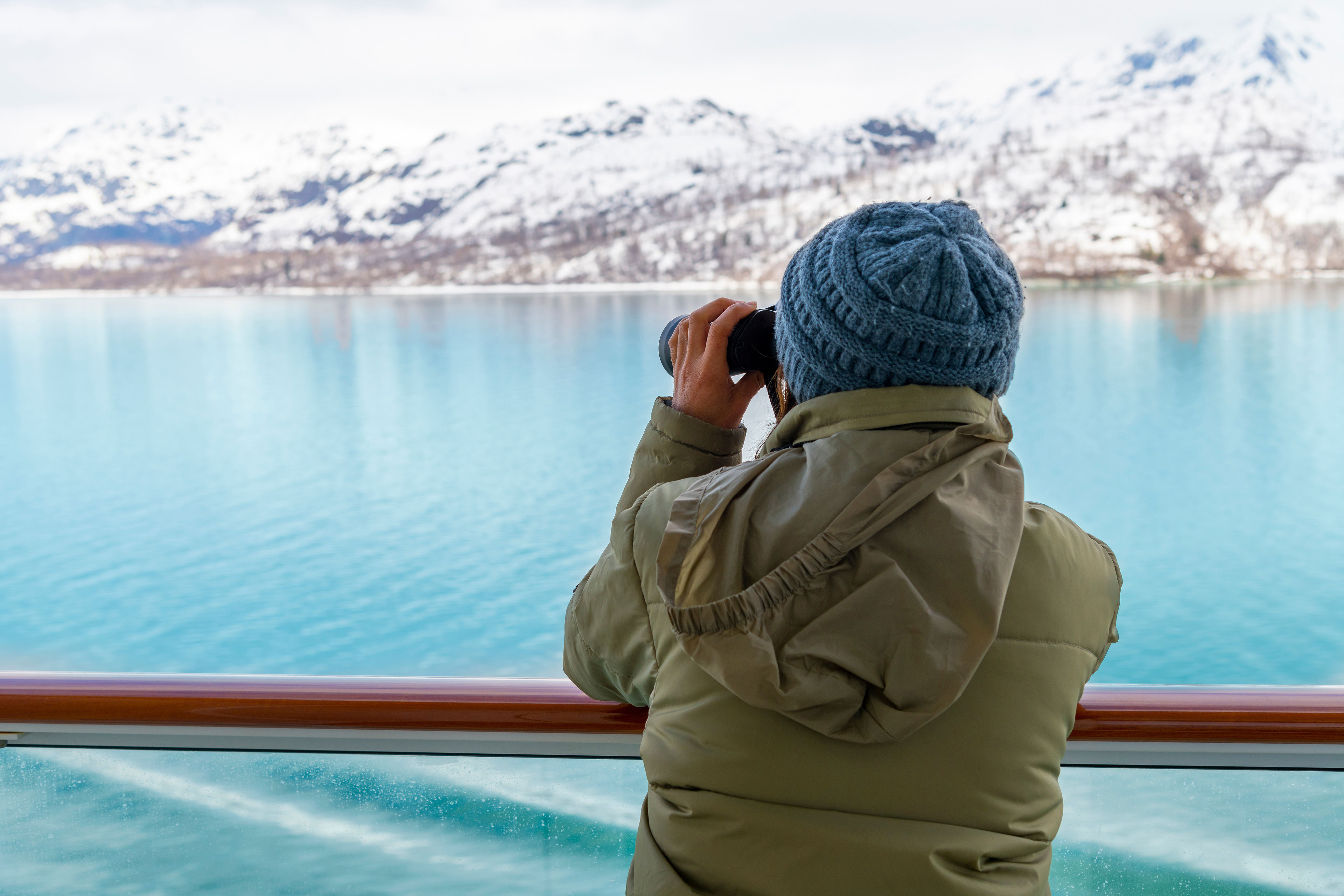
Shoulder-season temperatures swing more than peak-season ones, so layering matters more than any single heavy garment. A base layer that manages moisture, an insulating mid-layer, and a waterproof, windproof outer shell cover most conditions on deck and during Zodiac landings. November travelers should prepare for colder, snowier landings than midsummer; March travelers should expect slightly shorter days and pack accordingly for early sunsets during evening activities on deck.
Because shoulder-season departures are fewer in number than peak-season ones, and because emperor penguin voyages to Snow Hill Island run only in November on a limited number of ships, these sailings can sell out well ahead of the season. Booking early is worth considering for anyone set on a specific shoulder-month departure or itinerary.
Responsible travel during shoulder season
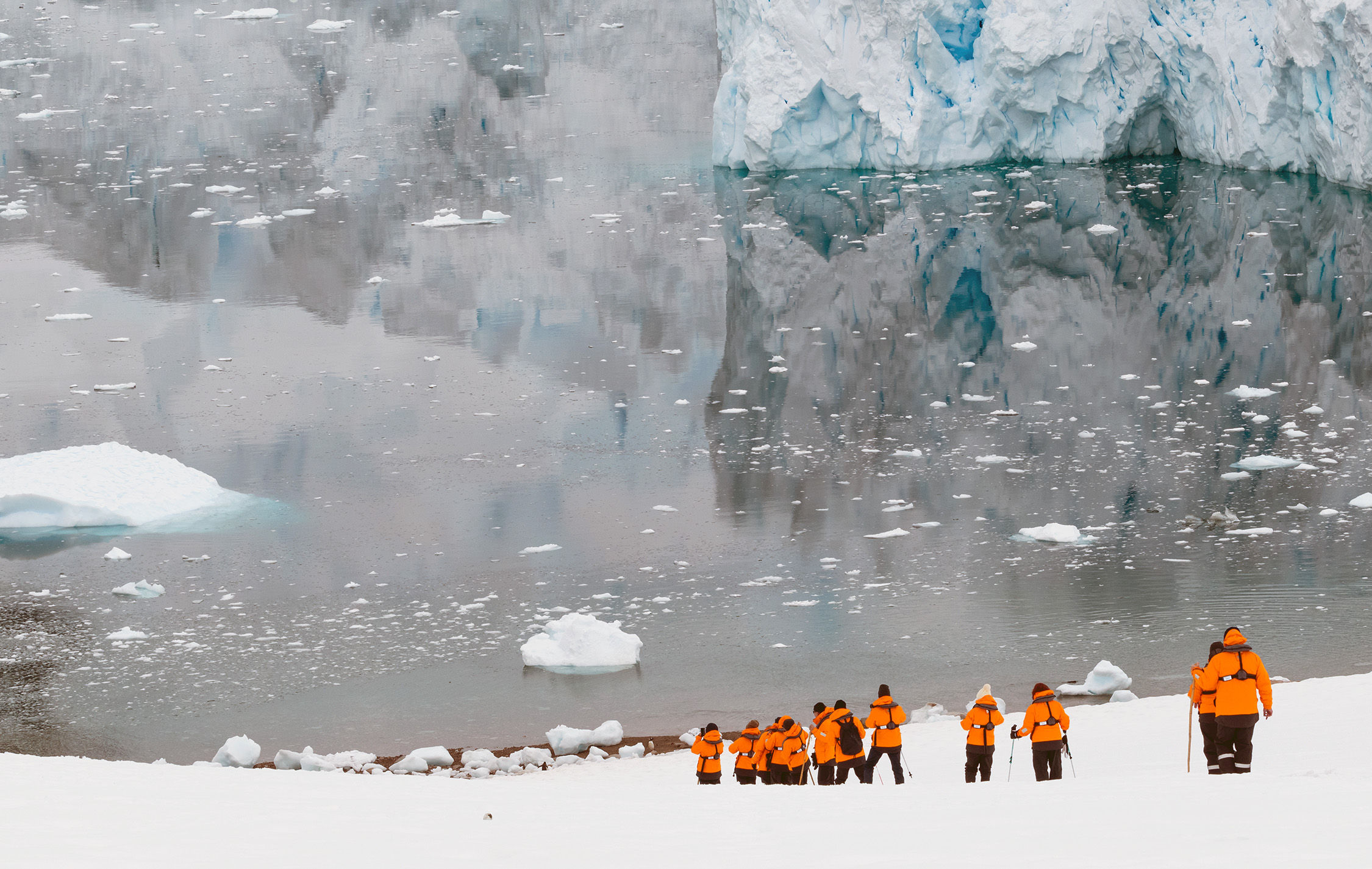
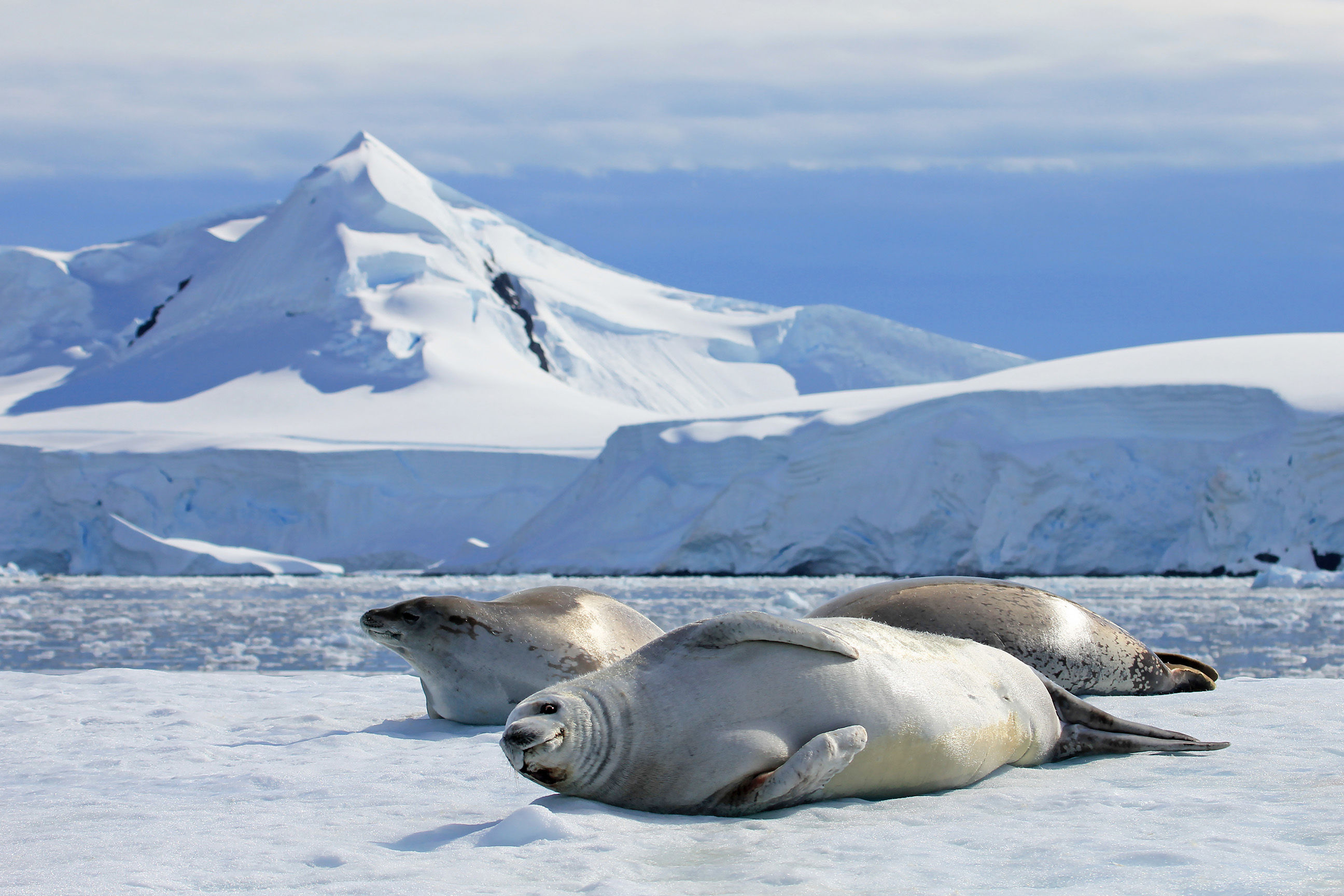
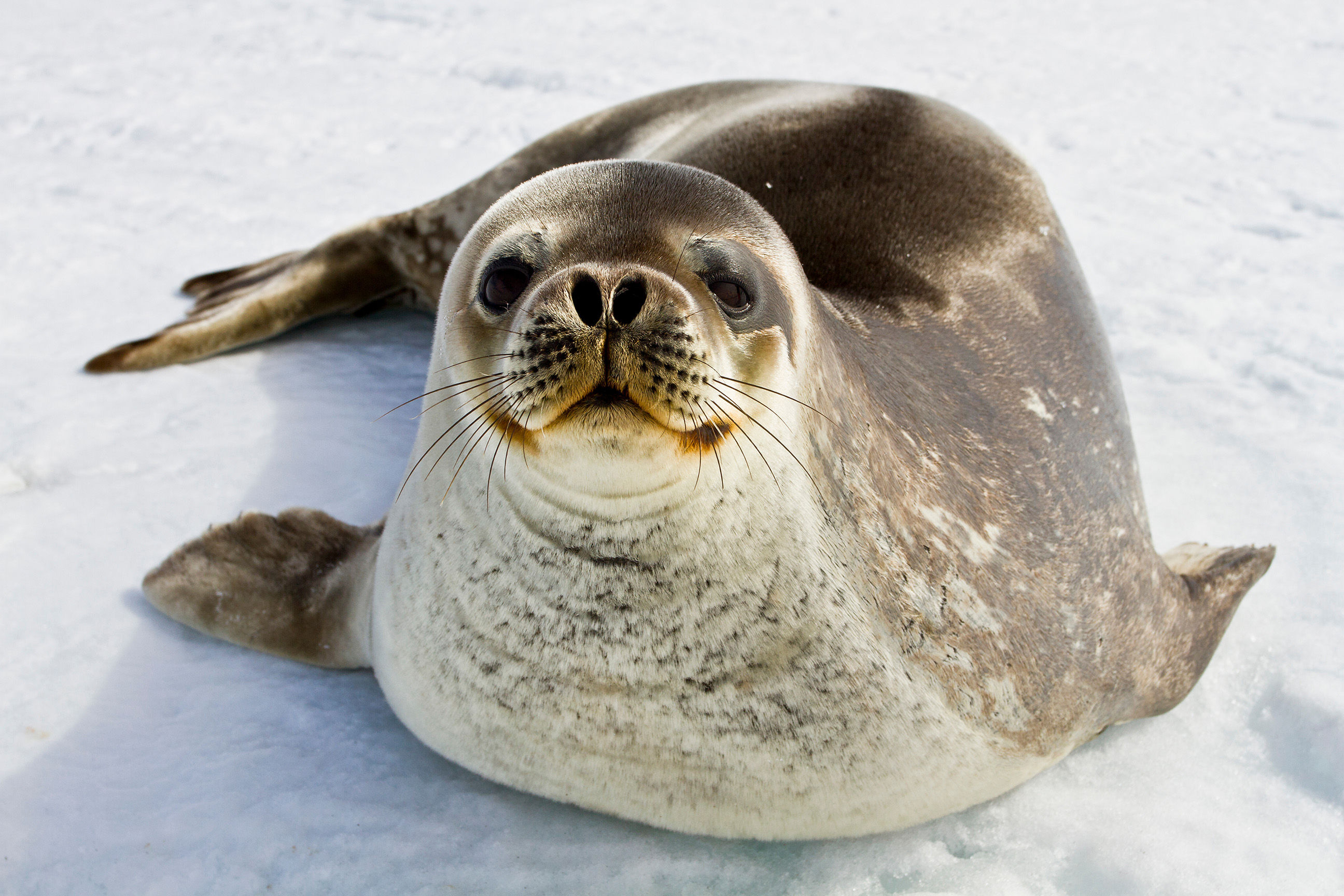
Wildlife is especially sensitive to disturbance during the courtship and molting periods that define the shoulder months, making it particularly important to follow established guidelines. The International Association of Antarctica Tour Operators (IAATO) sets minimum approach distances that all member operators follow: at least 5 meters from penguins and other wildlife generally, at least 5 meters from bird nests, and at least 15 meters from seals hauled out on land or ice, since they can move quickly and unpredictably. Guides ask travelers to hold their distance, move slowly, and retreat if an animal changes its behavior in response to a visitor's presence, a sign that the encounter has come too close.
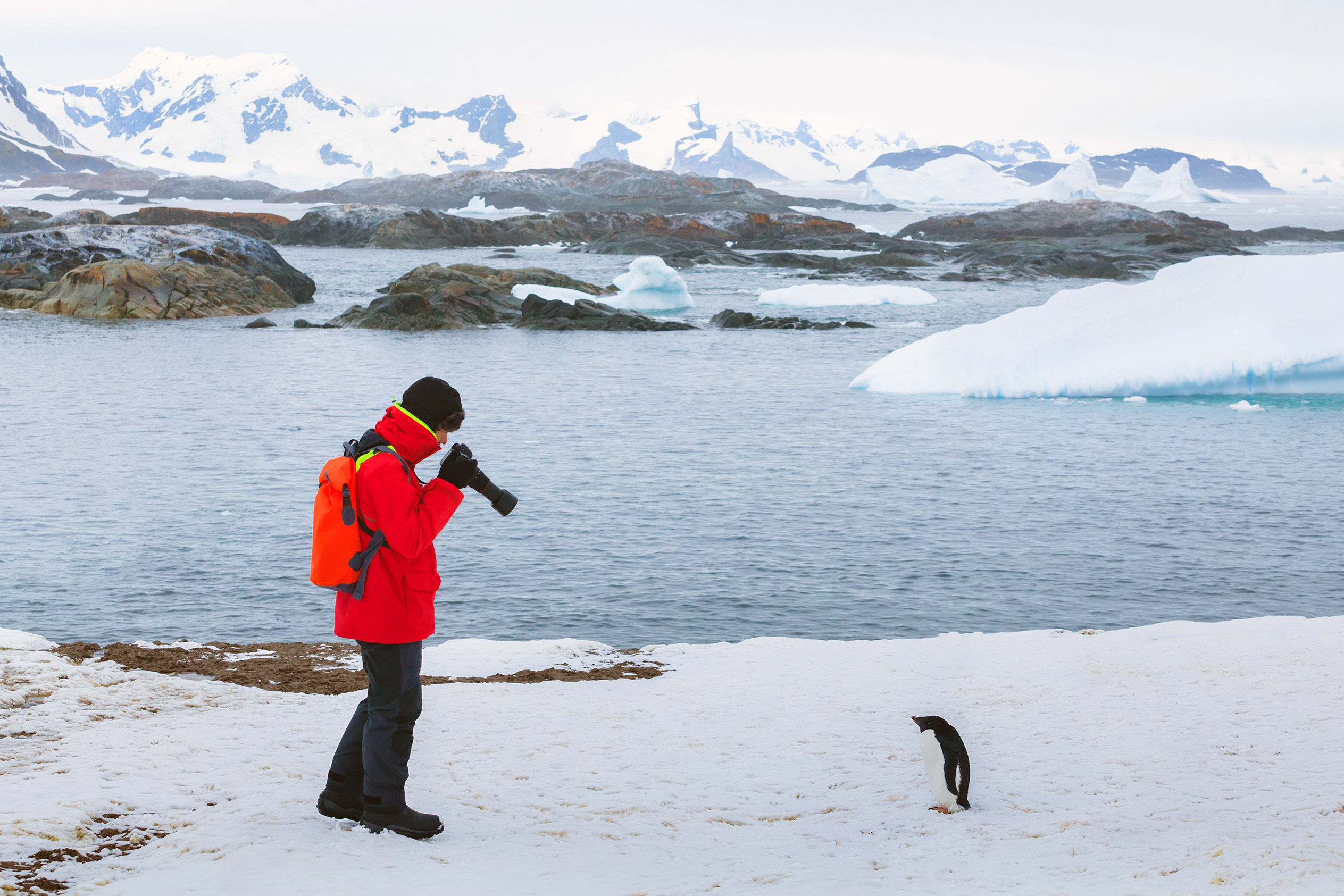
These guidelines matter more, not less, during shoulder season. A nesting bird disturbed in November can abandon its clutch, and a molting penguin forced to move in March burns energy it needs to survive the winter ahead. Expedition staff brief every landing with these considerations in mind, and travelers are expected to follow their guides' instructions on-site rather than approach wildlife independently.
Matching the season to the traveler
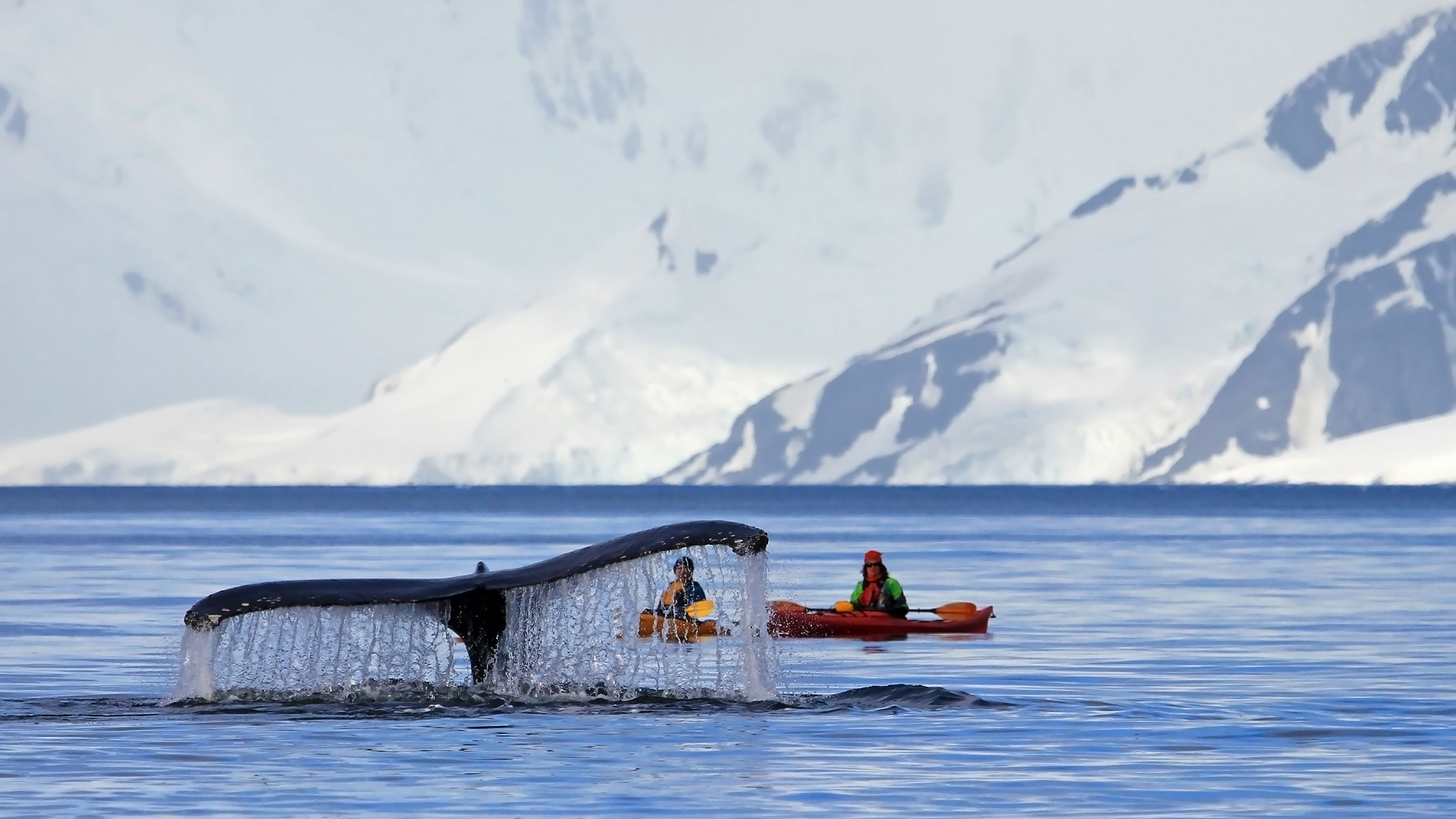
There is no single best month to cruise Antarctica, only a best month for a particular kind of trip. Travelers prioritizing dramatic, untouched snowscapes, penguin encounters, and a rare chance to see emperor penguins should look to November. Those chasing close whale encounters, fledging chicks, and the quietest ships of the year should look to March. Both come with meaningfully lower fares than the December and January peaks, and both offer something the busiest months cannot: a continent that feels, if only briefly, like it belongs to fewer people.
Frequently Asked Questions
Is November or March better for whale watching?
March is generally the stronger month for whale encounters. Humpback and orca activity typically peaks as whales feed heavily before migrating north, and sightings in November are comparatively limited since many whales are still arriving in Antarctic waters.
Is shoulder season actually cheaper than peak season?
Yes. Fares in November and March typically run about 10 to 15 percent below the December-to-mid-February peak, when demand is highest.
Can you see penguin chicks during shoulder season?
Not in November, when penguins are still courting and building nests. By March, chicks are present but nearly fully grown and beginning to fledge, a later stage than the small, downy chicks visible in December and January.
What is the weather like in the shoulder season?
Cold in both months, with average temperatures around -1°C (30°F) in November and -2°C (28°F) in March. Daylight runs roughly 15 to 20 hours in November and 13 to 15 hours in March, compared with up to 24 hours at the height of summer.
Do all operators sail in November and March?
Most major expedition operators offer departures in both shoulder months, though the total number of sailings is smaller than during the December-to-February peak, and some specialized itineraries, such as emperor penguin voyages to Snow Hill Island, run only in November.
Is the Drake Passage rougher during shoulder season?
Conditions on the Drake Passage vary by voyage rather than by month in any predictable way, and rough or calm crossings occur throughout the season, including at its peak.
This article was developed with AI assistance and reviewed and edited for accuracy, quality, and relevance.