Liveaboard.com

Rasdhoo Atoll Liveaboard Diving

Our customers rated liveaboard diving in Rasdhoo Atoll as 9.1.

  • 100% Best Price Guarantee

Liveaboard Diving in Rasdhoo Atoll

What To Expect On A Rasdhoo Atoll Liveaboard

A liveaboard cruise to Rasdhoo Atoll is the highlight of many divers' Maldives dive trips. To see why, you will have to board your dive dhoni at dawn and speed toward the atoll's outer edge. What deserves this early morning wake-up? Schooling scalloped hammerhead sharks. However, Rasdhoo Atoll actually offers a great deal more than just hammerheads (as if they werenít enough). Whilst only a small atoll just northeast of Ari Atoll in the Central Atolls,  Rasdhoo's small area is graced with a bounty of world-class dive sites, frequented by heavy-hitters like reef sharks, mantas, and big pelagic fish.

Rasdhoo Atoll Underwater

The topography at Rasdhoo consists of walls, thilas, and kandus. Some dives contain interesting combinations of the above, such as channels with the wall of an island on one side, a sandy bottom in the middle, and thilas on the other side, beyond which lies the deep-water drop-off. Rasdhoo's marine life ticks all the boxes, even for seasoned Maldives divers, offering manta rays, eagle rays, and big stingrays, whitetip, blacktip, and grey reef sharks, Napoleon wrasse, schools of pelagic hunters, and big reef fish. Overhangs and caverns (and currents) make the dives challenging and engaging. The area is not known for colorful corals, though a couple of sites do have notable patches of healthy coral cover.

Dive Sites Of Rasdhoo Atoll

Hammerhead Point is a given on Central Atolls liveaboard dive tours. Here, on the outside corner of Madivaru Island, the blue water holds an unparalleled sight, but divers must be prepared to wake up before dawn to catch it. At around 6 AM, schools of scalloped hammerheads rise from the deep, and if you're just a bit lucky and wait quietly in the right place, you stand a good chance of seeing them glide past you. The ridge at Hammerhead Point can be explored for interesting reef life, but remember to keep one eye on the blue since tuna and other impressive pelagics may join the hammerheads for a visit.

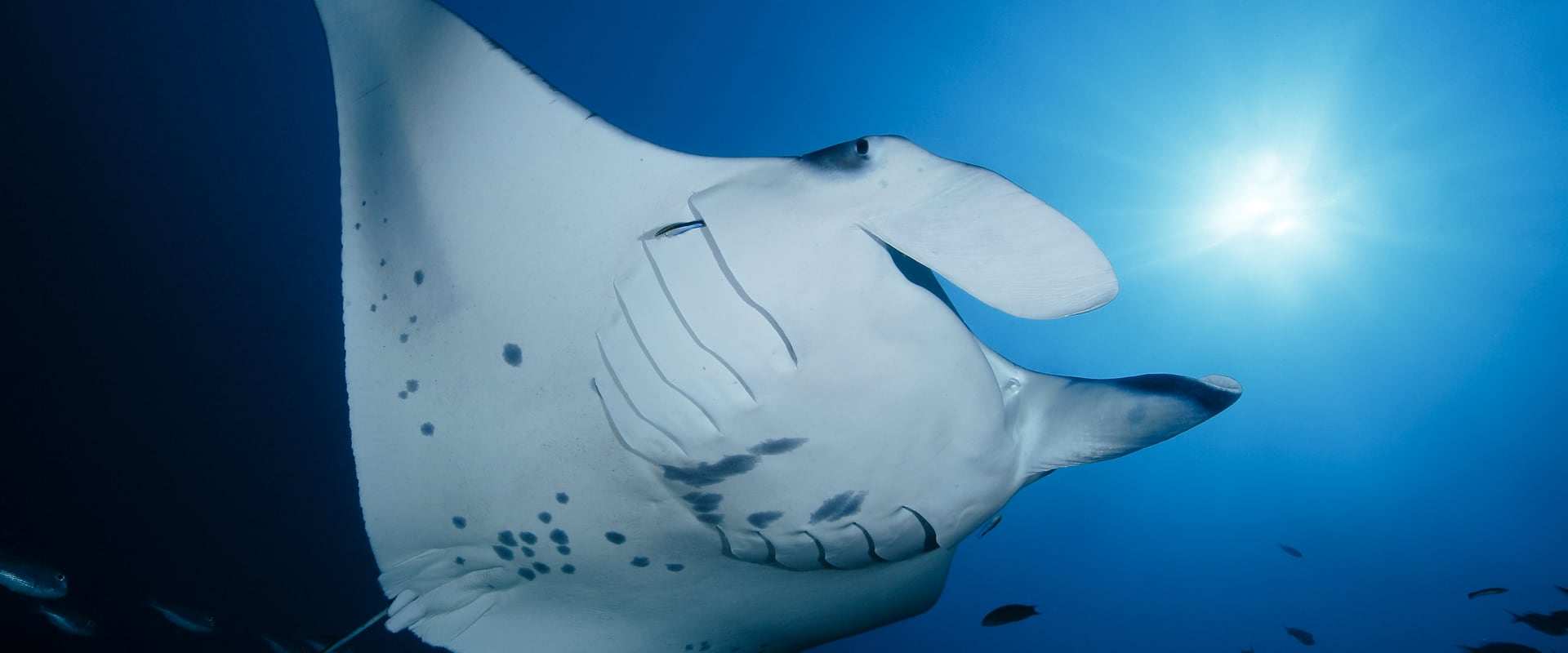
Manta Block in the North Channel gives divers a very good chance to observe manta rays hanging out at a shallow cleaning station (about 13 meters down). Other areas of the North Channel are also frequented by mantas and schools of jacks, Napoleon wrasse, sharks, and various reef fish.

Rasdhoo Channel is an underwater crossing from one island to another; hopping from thila to thila, divers often find sharks, pelagic rays, and big fish.

Madivaru is a crescent-shaped reef off Madivaru Island that offers good hard coral and the incredible fish life common to Rasdhoo.

Top Tips For Divers

In the Maldives, a new Green Tax of 6 USD per person per night applies to every tourist in the country. The official language is Maldivian, also called Dhivehi.

Gear to bring includes your own mask, booties, fins, and dive computer. These are personalized pieces of equipment that we donít recommend renting. An ill-fitting mask or pair of fins can make diving virtually impossible, and a dive computer is your most important piece of safety equipment.

Getting To Rasdhoo Atoll

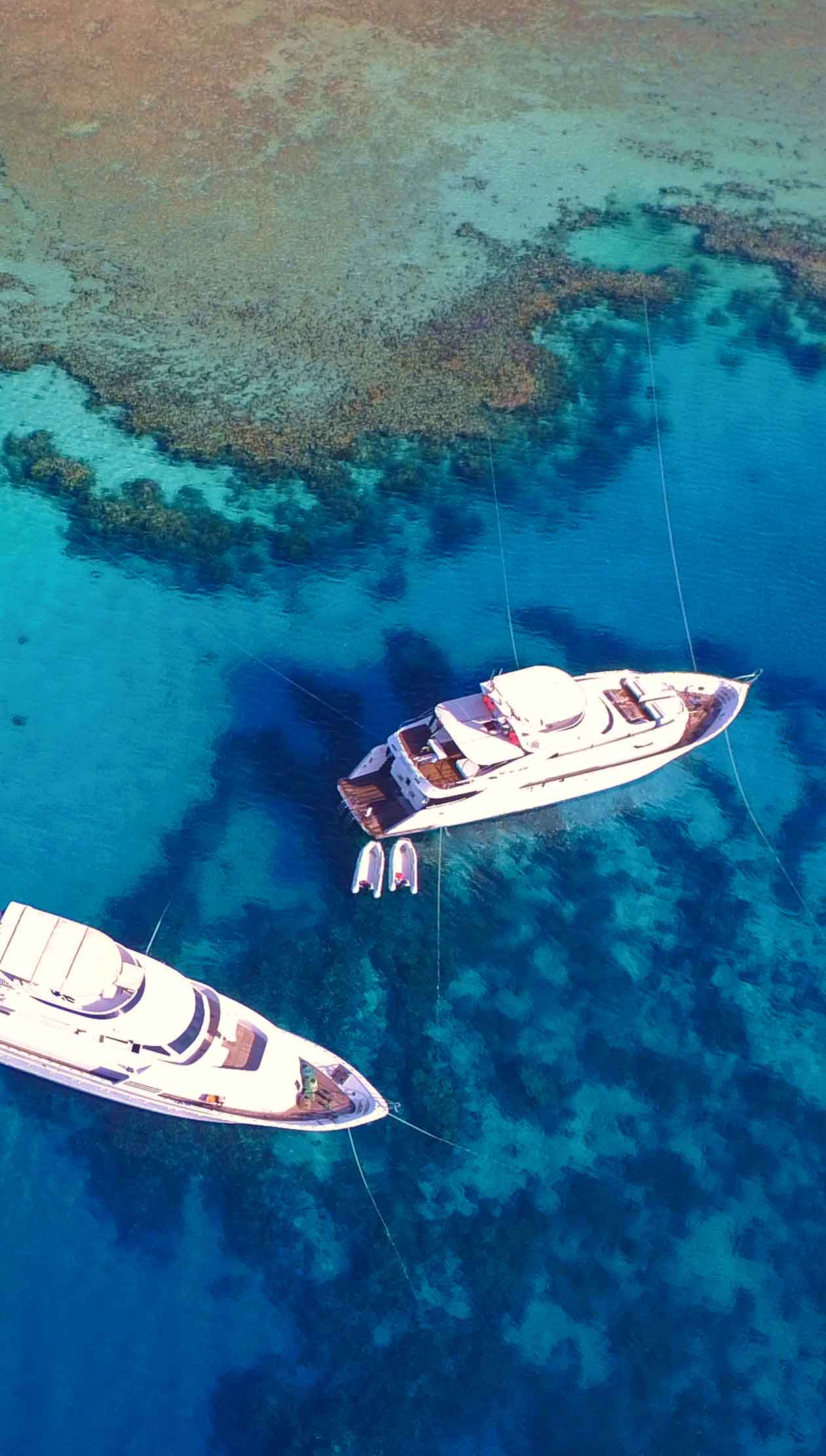
Rasdhoo Atoll is best dived by Maldives liveaboard to combine it with other world-class dive sites in the Central Atolls and beyond. The length of liveaboard cruises visiting Rasdhoo usually ranges from 7 to 11 nights, with a budget of under 200 to 400 euros per night. Liveaboards often spend at least one morning in Rasdhoo on itineraries, including Ari, Male, Vaavu, and sometimes the Northern or Deep South Atolls as well.

Male is the main liveaboard departure location for Rasdhoo Atoll liveaboards, accessible by direct flights from Dubai, Singapore, and Colombo. Longer international flights from Europe, America, China, India, and Australia often connect through the regional airports mentioned above.

Diving Rasdhoo Atoll is possible all year round, but the northeast monsoon from December to May allows the calmest surface conditions and the least rain. The water temperature usually stays between 26 and 29 C, and visibility between 15 and 30 meters. Manta lovers should note that the manta season runs from November through April.


Rasdhoo Atoll Diving Reviews

  • Rating 9.1 out of 10
  • 9.1 Superb
  • Rating 8.0 out of 10
  • 8.0 Very good
  • Emily K
  • Flag of United StatesUnited States

Only did one dive here but it was solid. Saw a very big jelly

Diving Rasdhoo Atoll in August on the Felicity
  • Rating 10.0 out of 10
  • 10.0 Exceptional
  • William B
  • Flag of United StatesUnited States

Beautiful diving. We saw everything from Manta Rays to Octopus to Sharks

Diving Rasdhoo Atoll in March on the Scubaspa Yang
  • Rating 8.0 out of 10
  • 8.0 Very good
  • Karl E
  • Flag of United StatesUnited States

This would make a great first dive; very pretty, simple, easy transition.

Diving Rasdhoo Atoll in May on the Emperor Leo
  • Rating 8.8 out of 10
  • 8.8 Fabulous
  • Robert H
  • Flag of United StatesUnited States

Saw eagle rays, turtles, many fish

Diving Rasdhoo Atoll in April on the Emperor Serenity


What to know about diving in Rasdhoo Atoll

What is Rasdhoo Atoll?

Rasdhoo Atoll is one of the smallest atolls in the Maldives, sitting about 38 miles (61 km) northwest of Malé on the northeastern edge of Ari Atoll. It's made up of just four islands and three sandbanks around a single lagoon, but it punches well above its size as a dive destination, especially for hammerhead sharks.

Does Rasdhoo have a bikini beach?

Yes, at the western tip of Rasdhoo Island — a stretch of about 330 ft (100 m) of white sand where swimwear is permitted. Rasdhoo is an inhabited local island under Maldivian dress-code rules, so bikinis and shorts are restricted to this one beach; cover shoulders and knees elsewhere on the island.

Is Rasdhoo Atoll good for scuba diving?

Yes — with close to 20 named dive sites packed into one of the country's smallest atolls, Rasdhoo offers an unusually dense concentration of diving for its footprint. It's best known for hammerhead shark encounters and manta cleaning stations, as well as easier reef dives suited to less experienced divers.

Where can you see hammerhead sharks in the Maldives?

The most reliable spot is the channel between Rasdhoo Island and Madivaru, in Rasdhoo Atoll, where scalloped hammerheads gather in numbers rarely seen anywhere else in the world. Sightings are strongest on early-morning dives, since the sharks stay deep and shy once the sun is higher.

Are there any wrecks to dive near Rasdhoo Atoll?

Yes, two wrecks sit near neighboring Kuramathi Island, just south of Rasdhoo proper, adding some easy wreck-penetration diving to an itinerary otherwise built around reef and channel dives. They're a good option for a change of pace between the atoll's bigger current dives.

Are there caves to dive in Rasdhoo Atoll?

Yes — a site simply called Caves features large overhangs and swim-throughs home to stingrays, whitetip reef sharks, and nurse sharks. The deeper sections reach depths that require advanced certification, since the overhangs extend below what's comfortable for newer divers.

Can you dive Rasdhoo Atoll from a resort, or do you need a liveaboard?

Both work. Rasdhoo is close enough to day-trip from a handful of Ari Atoll resorts, and Rasdhoo Island's own guesthouses run local dive centers for independent travelers, while the atoll is also a regular stop on Central Atolls liveaboard routes sailing out of Malé.

How do you get to Rasdhoo Atoll from Malé?

Rasdhoo is reachable by public ferry from Malé in roughly an hour, or as a scheduled stop on a Central Atolls liveaboard sailing out of the capital. There's no airport on the atoll itself, so independent travelers rely on the ferry or a chartered speedboat.

Is Rasdhoo Atoll good for snorkeling, not just diving?

Snorkelers can access some of the shallower sites, like Manta Block and stretches of Rasdhoo's house reef, directly from the beach or a short boat ride without needing scuba certification. It's not as snorkel-friendly as some resort house reefs elsewhere in the Maldives, though, since many of the atoll's best-known sites — the hammerhead channel especially — sit too deep for snorkeling.

Is Rasdhoo Atoll suitable for beginner divers?

Partly — sites like Fan Reef offer a gently sloping wall with turtles, Napoleon wrasse, and eagle rays that suit Open Water divers, and Manta Block is shallow enough for newer certifications too. The deeper, current-swept sites, especially Hammerhead Point at around 100 ft (30 m), are better left to advanced or experienced divers.

What is Madivaru dive site like?

Madivaru is Rasdhoo's signature dive site, a horseshoe-shaped reef running from 50 to 72 ft (15-22 m) deep, where nutrient-rich currents draw grey reef sharks, eagle and mobula rays, dogtooth tuna, and schooling trevally. Conditions are productive most of the year, though current strength shifts with the tide, so timing the dive matters.

What is Manta Block, and when do mantas show up?

Manta Block is a shallow cleaning station on Rasdhoo's northern side, at around 43 ft (13 m) deep, shallow enough for Open Water-certified divers to enjoy. Manta sightings are most reliable from November through April, when cleaner-wrasse stations draw rays back for repeat visits, as of 2026.

What's the water temperature and visibility like in Rasdhoo Atoll?

Water stays warm year-round at 79-84°F (26-29°C), so a 3mm wetsuit is typical gear. The dry season from October to March brings the clearest water and calmest seas, while the wetter months from late April through October slow the currents and can reduce visibility.

Why is Rasdhoo Atoll specifically known for hammerhead shark diving?

The channel between Rasdhoo Island and Madivaru, dropping from about 82 to 200 ft (25-60 m), is one of the few places on Earth with a reliably present population of scalloped hammerheads, drawn in by nutrient-rich currents funneling through the passage. Dives here typically start before dawn and descend to around 100 ft (30 m), since the sharks stay deep and wary once daylight sets in.

We’re here to help, 24/7.

Connect with our expert travel consultants to plan your next trip.

  • Farah Celada-Benito
  • Mylene Issartial
  • Juliane Ball
  • Ester Canali
  • Josue Zarco
  • Andrea Martinez
  • Nina Kapp